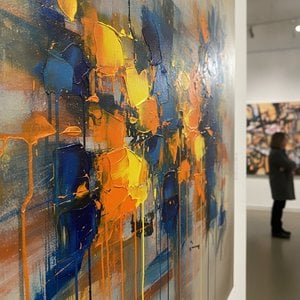
Elu Valguses: David Hockney Maailm
David Hockney, sündinud 9. juulil 1937. aastal Yorkshire’i tööstuskeskuses Inglismaal, ei ole pelgalt maalikunstnik; ta on visuaalne polümaat, kelle karjäär on hõlmanud maalimist, joonistamist, graafikat, lavakujundust ja fotograafiat. Tema lugu algab Bradfordi karmides oludes, mis andsid talle terava tähelepanuvõime, samal ajal kui isa, Kenneth Hockney, kasvatas temas iseseisva mõtlemise vaimu Teise maailmasõja ajal südametunnistuse põhjal. See varajane keskkond kujundas noort kunstnikku, kes oleks pidevalt väljakutse konventsioonidele ja loonud oma tee. Formaalkoolitus Wellingtoni algkoolis ja Bradfordi grammatikakoolis pani aluse karjäärile, mis määras Briti kunsti 20. ja 21. sajandil ümber, kulmineerudes õpingutega Bradfordi kunstikolledžis ja hiljem prestiižses Royal College of Art’is Londonis. Just sel kujuneval perioodil hakkas Hockney artikuleerima unikaalset kunstilist häält, mis segas Pop-sensibiliteteid eripäraselt Briti perspektiiviga.
Pop-ikooni Tõus ja Edasi
1960. aastatel toimus Hockney tõus oluliseks figuuriks kasvavas Pop-kunsti liikumises. Kuid erinevalt mõnest kaaslasest, kes täielikult omaks võtsid Ameerika kaubakultuuri, tõi Hockney žanri juurde unikaalselt Briti tundlikkuse. Tema töö plahvatas elava värvi ja julgete joontega, kujutades stseene, mis olid nii tuttavad kui ka peenelt subversiivsed.
A Bigger Splash (1966), võib-olla tema ikoonilisem varajane teos, kapseldab selle täiuslikult – näiliselt lihtne basseini kujutus muutub meditatsiooniks California vaba aja veetmise, kunstlikkuse ja enese akti tajumise üle. See ei olnud lihtsalt representatsioon; see oli uurimine sellest, kuidas me reaalsust tajume. Tema topeltportreed, nagu
American Collectors (Fred and Marcia Weisman), demonstreerivad tema tähelepanuväärset võimet tabada mitte ainult sarnasust, vaid ka isiksuse ja suhete olemust. Hockney ei kartnud ka personaalseid teemasid, eriti uurides gei-armastust avameelselt ja haavatavusega töödes nagu
We Two Boys Together Clinging (1961), väljakutse ühiskondlikele normidele ajal, mil homoseksuaalsus oli suuresti tabu. See valmisolek otsekohe silmitsi seista raskete teemadega kinnistas tema positsiooni murrangulise kunstnikuna.
Eksperimenteerimine, Innovatsioon ja Maalikunsti Päästmine
Hockney kunstiline uudishimu ei ole kunagi piirdunud ühe meediumiga. Kogu oma karjääri jooksul on ta pidevalt eksperimenteerinud uute tehnoloogiate ja lähenemisviisidega. Alates varajasest litograafia ja etsimise omaks võtmisest kuni hilisemate fotograafiaga tehtud katsetusteni – eriti Polaroidi kompositsioonide kasutamiseni 1980. aastatel – on Hockney pidevalt lükanud piire, mis määratlevad, mis kunst olla saab. Ta kuulutas kuulsalt, et maalikunst ei ole surnud, vaid vajab päästmist oma konventsioonidest, viies ta innovatiivsete tehnikate väljatöötamiseni nagu perspektiivi moonutused ja killustatud vaatenurgad. See soov elavdada maalikunsti viis ambitsioosse projekti nagu
Pearblossom Hwy., 11–18th April 1986, keeruline fotomontaaž, mis väljakutse traditsioonilistele ruumi ja representatsiooni mõistetele. Tema lavakujundused ooperile, sealhulgas Mozart’i
The Magic Flute ja Stravinsky
The Rake’s Progress seaded, demonstreerivad täielikult tema mitmekülgsust ja võimet tõlkida tema visuaalset keelt erinevalt kunstilisele valdkonnale. Hiljuti on ta omaks võtnud digitaalse meediumi, luues vapustavaid maastikke iPadidel, mis näitavad tema jätkuvat huvi valguse, värvi ja perspektiivi vastu – tõestades, et innovatsioonil pole piire.
Tunnustus, Pärand ja Jätkuv Mõju
David Hockney panus kunstimaailma on kogu tema silmapaistva karjääri jooksul laialdaselt tunnustatud. Ta nimetati 2018. aastal Order of the Companion of Honour’i liikmeks (CH), mis tunnistab tema sügavat mõju Briti kultuurile. Enne seda valiti ta 2003. aastal Royal Society liikmeks (FRS) ja sai 2000. aastal Laureate of the Praemium Imperiale for Painting’u auhinna. Tema teoseid hoitakse suuremates muuseumikollektsioonides üle maailma ning neile on hõlpsasti juurdepääsetav ka veebiplatvormide kaudu, tagades et tema kunst inspireerib uusi põlvkonni.
Hockney mõju ulatub visuaalse kunsti valdkonnast kaugemale; temast on saanud kultuuriikoon, keda tähistatakse tema vaimukuse, intelligentsi ja järjekindla pühendumise eest kunstilisele uurimusele. Tema töö ei piirdu sellega, mida ta kujutab, vaid *kuidas* ta seda kujutab – pidev tajumise ja representatsiooni küsimus, mis jätkab publiku resonantsi tänapäeval. Ta on endiselt aktiivne jõud kunstimaailmas, väljakutse ootustele ja inspireerides kunstnikke erinevatest valdkondadest.
Lisauuringuid
- Place Furstenberg, Paris: Vapustav näide Hockney sisustusstseenidest, mis demonstreerib tema värvi ja kompositsiooni meisterlikkust.
- Oona Zlamany: Liigutav portree, mis ühendab realismi Pop-kunsti mõjudega, paljastades istuja mõtiskleva olemuse.
- Lawn Sprinkled: Elav kujutus äärelinna elust, mida iseloomustavad geomeetrilised vormid ja mänguline värvikasutus.
- Avasta rohkem Briti Pop-kunstniku Pauline Boty kohta.
- Uuri Frank Lisle töid, kunstnikku, kes mõjutas Hockney varajast arengut.



 Vaata sisu
 Telli käsitsi maalitud reproduktsioon
 Jaga teost
 Jaga
Jaga
 Detailid
 Õppekate juhend

 Laadi alla
 Sarnased teosed
 Röntgenuuring
 Slaidietendus
 Statistika

 Loe lähemalt






































 Klaasivalik on saadaval ainult kuni 110 cm suuruses teostes