


Muuseumikvaliteediga giclée- või kangasprint kiire tootmisega ja paindlikud viimistlusvõimalused. ( Osta käsitsi maalatud teos Lülita digitaalse pildi juurde)





























Vali meie eelmääratud suurused, mis vastavad teose algupärastele proportsioonidele.

Sisestage vajalik laius ja kõrgus, et see sobiks teie raamile või seinale. Trükki saab ainult lõigata, seda ei saa kunagi pildist suuremaks teha, seega ka erineva mustega suurus kaotab osa pildist. Enne trükkimist saadame teile kinnitamiseks digitaalse näidisprojektsiooni. Sellel lehel näidatud pilt ei kujuta reaalset lõiget — seda näitab ainult näidisprojektsioon.
Ülemaailmne tarne () 2 nädala jooksul, tavalise 4/5 nädala asemel. (18 november)
Colonel William Leete Stone
Reproduktsiooni suurus
A single quill pen rests against a stack of papers, its tip poised as if caught in a moment of sudden thought. The light strikes the white linen of a cravat, a sharp contrast against the heavy, dark tones of the background. This is the world of Colonel William Leete Stone, rendered in oil on canvas in 1839. He does not look at the viewer. Instead, his gaze is directed upward and toward the left, toward an unseen idea or a distant conviction. The face is etched with the quiet intensity of a man accustomed to the weight of words and the gravity of public service.
The brushwork is controlled and precise, following the academic realism of the mid-19th century. Every fold in his formal attire and every contour of his skin is defined by a deliberate hand. The shadows are deep, swallowing the edges of the room to push the subject forward into the light. It is a portrait of intellectual focus, where the texture of the fabric meets the smooth, pale skin of the neck in a silent dialogue of light and dark.
The portrait captures more than a likeness; it captures a specific, restless energy. The subject was a man of significant influence in New York, a writer and editor whose life was defined by the pursuit of reform. His presence in the frame suggests a man of action through thought.
History remembers him as a man who campaigned for the abolition of slavery and supported the independence of Greece. He was a man who sought to shape the social fabric of his time, much like the ink he once spilled. The painting holds this tension between the stillness of the pose and the movement of his spirit.
There is a stillness here that feels temporary. The light catches the edge of a hand, a pale shape against the dark void of the room. It is the quiet moment before the next sentence is written, or the moment of reflection after a long day of advocacy. The shadows do not merely surround him; they define the space he occupies, carving his silhouette out of the darkness. The ink is dry, but the intent remains.
Teose „Colonel William Leete Stone“, autor William Page autoriõiguste staatus on selge: teos kuulub avalikule omandile (avalikus õiguses – selle autoriõigud onหมดunud). Selle paik Cleveland Museum of Art kollektsioonis ei muuda seda staatust.
Teose "Colonel William Leete Stone" taga on kunstnik William Page ja Academic Realism suundumus.
Teost „Colonel William Leete Stone“, autor William Page saab omaenda seinal eelvaatata teose AR-eelvaade teose kohta lehe abil, kasutades ühendataval seadmel täiendatud reaalсust.

USA Albany linnas sündinud William Page oli mitmekülgne ameeriklik maalar ja portretist. Tema esimene kunstiline harjutus algas Frederick de Peysteri kontoris, mida järgnes õppimine James Herringi stuudios. Lõpuks sai ta Samuel F. Morse õpilaseks ja õppis National Academy of Design'is, kus tema joonised antikva klassis tõid talle hõbemedali. Pärast lühiajalist teoloogia õppimist Andover Theological Seminaris ja Amherst College'is otsustas Page pöörata tagasi kunstimaailma.
Page'i karjäär viis teda New Yorki ja Bostoni vahel, kuni ta veetis lõpuks üheksastteist aastat Florencest ja Roomast. Itaalias viibitud aja jooksul portreteeris ta märkimisväärt inimesi, nagu Robert ja Elizabeth Browning. Ta oli sügavalt inspireeritud suurmeisterite teosest, eriti Tizianist, kelle maaliimingu salajaid ta püüdis avastada. Tema Tiziani teostest tehtud koopiidid olid nii erakordsed, et üks neist konfiskeeriti kunagi Florentine ametikondade poolt, uskudes, et tegemist on originaaliga.
Kogu oma karjääri jooksul käsitles Page laia valikut teemasid, alates religioossetest stseenidest nagu "Moese ja Aaron on Horebi mäel" ja "Püha Pere" kuni tegelaste portrettide kuni. Tema portretistikat sisaldas järgmiste isikute järglasi:
Lisaks oma maaliimingu tegevusele oli Page mitmekülgsete huvide mees; ta kirjutas teose A New Geometrical Method of Measuring the Human Figure ja oli võtnud patente erinevate täienarvamuste eest püsside ja paadide osas. Ta suri Staten Islandil.

1811 - 1885 , USA

Explore the emotional power of Delacroix and French Romanticism through expert analysis. Discover the revolution of color and movement now.

Explore how military art evolved from imperial propaganda to raw realism. Discover the profound human truth behind every brushstroke.

Step into the dramatic world of Gustave Doré. Explore 25 iconic masterpieces of light and shadow, from epic biblical engravings to gothic tales. Find museum-quality art reproductions and timeless decor inspiration. Discover all masterpieces on WahooArt.com.
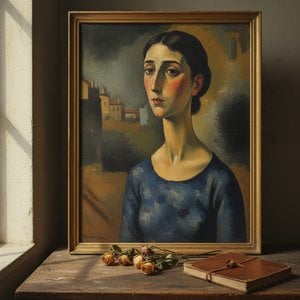
Delve into the haunting beauty of Amedeo Modigliani's portraits. Explore the intersection of Expressionism and Modernism through an expert analysis of his iconic elongated forms, melancholic gazes, and profound influence on art history.
 Eelvaade

 Saada
 Jaga
 Teave teose kohta
 Juhend


 Laadi alla
 Sarnased teosed
 Röntgenuuring
 Slaidietendus
 KÜSIMUSED JA VASTUSID

 Statistika


 Loe lähemalt









 Klaasivalik on saadaval ainult kuni 110 cm suuruses teostes


