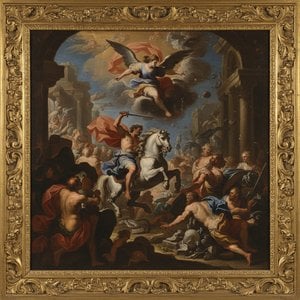
Carlo Maratta: Rooma Baroki Klassitsistlik Meister
Carlo Maratta, sageli tuntud kui Maratti, on 17. sajandi itaalia maalikunstis võtmeisik, kehuldades üleminekut kõrbarokist rafineeritud ja klassikalisele esteetikale. Sündinud 15. mail 1625. aastal Cameranos, Paavstiriigis – tänapäeva Itaalias – algas tema kunstiline teekond varase kolimisega Rooma 11-aastaselt. See ümberasumine osutus pöördeliseks, kuna ta astus Andrea Sacchi ateljeesse, maalikunstniku kuulsuse tippu jõudnud mõõdetud kompositsioonide ja klassikaliste ideaalide poolest. Sacchi mõju kujundas sügavalt Maratta arenevat stiili, sisendades talle pühendumust selgusele, tasakaalule ja pidundlikule emotsionaalsusele, mis eristas teda temperamentsematest baroki kaasaegsetest. See õpipooleaeg ei olnud pelgalt tehniline väljaõpe; see oli süvenemine kunsti filosoofilisse lähenemisviisi, mis seadis intellektuaalse ranguse ja harmoonilise disaini dramaatilise efekti ette. Maratta omandas need põhimõtted, kuid ta ei piirdunud nendega, demonstreerides tähelepanuväärset võimet sünteesida klassikalised alused valitsevate baroki vooludega.
Karjääri õitseng Roomas
Maratta talent õitis kiiresti ja 1650ndate keskpaigaks oli ta juba hakanud meelitama olulisi tellimusi. Tema varased teosed, näiteks *Külastus* (1656) Santa Maria della Pace jaoks, paljastavad valgust ja liikumist meisterlikult käsitlemise koos kasvava võimega imbuda religioosseid stseene käegakatsutava vaimse sügavusega. Ta ei kordanud lihtsalt väljakujunenud mudeleid; ta lisas neile oma unikaalse visiooni, mida iseloomustavad graatsiilised figuurid, elegantsed drapeerid ja peen, kuid võimas värvikasutus. Sel perioodil loodi ka *Pühima Kolminuse ilmutus Pühale Augustiinusele* (umbes 1655), teos, mis on näide tema oskusest tasakaalustada klassikalist idealismi baroki dünaamikaga. Tema maine kasvas, nii kasvasid ka tellimuste ulatus ja prestiiž. Ta sai populaarseks kunstnikuks silmapaistvate Rooma perekondade seas ning oluliselt ka paavstiriigi ees. Kuuekümne aasta jooksul võttis Maratta vastu vähemalt kuue paavsti patroonit, mis on tunnistuseks tema kunstilisest osavusest ja poliitilisest taipu. See järjekindel paavstlik toetus ei taganud mitte ainult finantsilist kindlust, vaid ka positsioneeris ta Rooma kunstilise ja kultuurielu südamesse.
Stiili süntees ja mõjud
Maratta stiili kirjeldatakse sageli kui “klassitsiseerivat barokki”, termin, mis kapseldab tema unikaalse positsiooni kunstiajaloolises maastikus. Kuigi ta oli sügavalt juurdunud Raphaelist tulenevas klassikalises traditsioonis, ei olnud ta immuune baroki teatrikalikumate tendentside mõjule. Tema kaasaegne Giovanni Bellori tunnistas seda sünteesi, dokumenteerides Maratta kunstilist lähenemisviisi varajases elulugus. Kunstnik integreeris oskuslikult barokimaalikunstile iseloomuliku dramaatilise valguse ja varju kasutamise klassikaliste vormide selgusega ja kompositsioonilise tasakaaluga, mida klassikud soosisid. See sulandumine andis tulemuseks teoseid, mis olid nii emotsionaalselt kaasahaaravad kui ka intellektuaalselt rahuldavad. Tema palett oli elav, kuid sageli pidurdunud, eelistades harmoonilisi värvisuhteid julgete kontrastide ees. Ta paistis silma religioossete narratiivide kujutamisel, imbudes neid austusega ja vaimse intensiivsusega. *Neitsi Maria ilmutus Pühale Philip Neri’le* (umbes 1675), mis asub nüüd Pitti palees Firenzes, on suurepärane näide tema võimest tõlgendada selliseid teemasid graatsia ja sügava emotsionaalse resonantsiga.
Maalimise piiridest kaugemale: restaureerimine ja pärand
Maratta panus ei piirdunud uute kunstiteoste loomisega; talle usaldati ka Rooma kunstipärandi säilitamine. 1702.-1703. aastal määras Innocent XI ta *surintendent des chambres du vatican* ametisse ja andis talle ülesande parandada Raphaeli freskod Vatikani Stanzas – vastutus, mis rõhutas tema staatust klassikalise kunsti juhtiva autoriteedina. See ettevõtmine ei olnud pelgalt tehniline restaureerimine; see oli akt austusest Itaalia ühe suurima kunstiaare vastu, usaldatud meistrile, kes mõistis selle tähtsust. Maratta töötas viljakalt kuni oma surmani Roomas 15. detsembril 1713, jättes maha tohutu ja mõjukama teosekogumi. Tema pärand hilise baroki klassitsiseeriva stiili meistrina püsis kogu 18. sajandi vältel, mõjutades selguse, tasakaalu ja harmoonilise kompositsiooni rõhu tõttu põlvkondi kunstnikke. Täna võib tema maale leida muuseumidest üle maailma, sealhulgas need, mida on esindatud platvormidel nagu WahooArt.com, tagades et tema kunstiline visioon jätkab inspireerimist ja lumab publikut aastaid.
Põhitööd & Püsiv mõju
- Apollo Daphne’t jälitamas: Dünaamiline klassikalise müüdi kujutus, mis demonstreerib Maratta oskust liikumist ja emotsioone kujutada.
- Magide kummardamine (vanikutes): Rikkalikult detailne kompositsioon, mis on näide tema meisterlikkusest värvis ja vormis.
- Karjaste kummardamine: Baroki meistriteos aastast 1690, mida tähistatakse selle jumaliku sümboolika ja dünaamilise paigutuse poolest.
- Külastus: Varasem töö, mis demonstreerib Maratta kasvavat talenti valguse ja liikumise osas religioosses kontekstis.
- Pühima Kolminuse ilmutus Pühale Augustiinusele: Veenv näide tema võimest ühendada klassikalist idealismi baroki elementidega.
Maratta mõju ulatub spetsiifiliste maalidest kaugemale; see peitub tema stiili artikuleerimises, mis sillutas kahte ajastut, pakkudes rafineeritud ja intellektuaalselt kaasahaaravat alternatiivi kõrbaroki ülemääraselt dramaatilistele tendentsidele. Ta jääb oluliseks figuuriks Itaalia kunsti evolutsiooni mõistmisel ja selle püsivalegi pärandile Lääne kunstitraditsioonis.



 Vaata sisu
 Lülita trükkitoodetele
 Jaga teost
 Jaga
Jaga
 Detailid
 Õppekate juhend

 Laadi alla
 Sarnased teosed
 Röntgenuuring
 Slaidietendus
 Statistika


 Loe lähemalt






































 Klaasivalik on saadaval ainult kuni 110 cm suuruses teostes