Eelvaade AR-eelvaade Osta käsitsi maalatud teos Lülita digitaalse pildi juurde Saada
Teave teose kohta Juhend Lisa lemmikutesse Laadi alla Sarnased teosed Röntgenuuring Slaidietendus Q&A Statistika

David and Caspar

Experience the captivating portrait 'David and Caspar' by Augustus Edwin John (1912). A poignant depiction of two figures, showcasing post-impressionist style & a profound connection.

Avastage Augustus Edwin Johni (1878-1961) kunst – Walesi postimpressionisti võluv portreekunst ja maastikud! Tutvuge tema boheemliku elu ja pärandiga.

Sellel lehel kuvatav kunstiteos on kaitstud autoriõigusega, mis tähendab, et meil ei ole seaduslikku õigust luua või müüa identset reproduktsiooni. Seda kaitset rakendatakse rahvusvaheliste kokkulepete alusel, nagu näiteks Berne konventsioon ning riiklike seadustega, sealhulgas nendega, mida on sätestatud USA autoriõiguse seadus – 17. peatükk.

See meetod järgib täielikult autoriõiguse reegleid, kuna see ei põhine kaitstud kunstiteose kopeerimisel või dupliteerimisel. Selle asemel on tegu loova reinterpreetatsiooniga – uue maaldisega, mis on algteosest inspireeritud, kuid ei ole sellest identiline.

Giclée / Kunstiprint

Muuseumikvaliteediga giclée- või kangasprint kiire tootmisega ja paindlikud viimistlusvõimalused. ( Osta käsitsi maalatud teos Lülita digitaalse pildi juurde)

Corner sample of the P118B picture frame: vormitud polüstüreen, 5 cm wide and 3 cm thick
P118B €10
Corner sample of the P118H picture frame: vormitud polüstüreen, 5 cm wide and 3 cm thick
P118H €10
Corner sample of the P118W picture frame: vormitud polüstüreen, 5 cm wide and 3 cm thick
P118W €10
Corner sample of the P438Z picture frame: vormitud polüstüreen, 5.5 cm wide and 3.5 cm thick
P438Z €10
Corner sample of the P508JH picture frame: vormitud polüstüreen, 7 cm wide and 3.5 cm thick
P508JH €12
Corner sample of the P508YH picture frame: vormitud polüstüreen, 7 cm wide and 3.5 cm thick
P508YH €12
Corner sample of the P805H picture frame: vormitud polüstüreen, 5 cm wide and 3.5 cm thick
P805H €10
Corner sample of the P805Z picture frame: vormitud polüstüreen, 5 cm wide and 3.5 cm thick
P805Z €10
Corner sample of the P919BZ picture frame: vormitud polüstüreen, 7 cm wide and 3.5 cm thick
P919BZ €10
Corner sample of the P919G picture frame: vormitud polüstüreen, 7 cm wide and 3.5 cm thick
P919G €10
Corner sample of the P919XJ picture frame: vormitud polüstüreen, 7 cm wide and 3.5 cm thick
P919XJ €10
Corner sample of the P959ZH picture frame: vormitud polüstüreen, 5 cm wide and 3 cm thick
P959ZH €10
Corner sample of the P968JZ picture frame: vormitud polüstüreen, 6 cm wide and 4 cm thick
P968JZ €12
Corner sample of the W106C picture frame: massivpuit, 5 cm wide and 3 cm thick
W106C €8
Corner sample of the W218G picture frame: massivpuit, 5 cm wide and 3 cm thick
W218G €10
Corner sample of the W218JH picture frame: massivpuit, 5 cm wide and 3 cm thick
W218JH €8
Corner sample of the W218Y picture frame: massivpuit, 5 cm wide and 3 cm thick
W218Y €10
Corner sample of the W307PJ picture frame: massivpuit, 6 cm wide and 3 cm thick
W307PJ €10
Corner sample of the W316G picture frame: massivpuit, 6 cm wide and 3 cm thick
W316G €10
Corner sample of the W316PJ picture frame: massivpuit, 6 cm wide and 3 cm thick
W316PJ €8
Corner sample of the W316Y picture frame: massivpuit, 6 cm wide and 3 cm thick
W316Y €10
Corner sample of the W398PJ picture frame: massivpuit, 5 cm wide and 3 cm thick
W398PJ €8
Corner sample of the W4111J picture frame: massivpuit, 6.5 cm wide and 3.5 cm thick
W4111J €10
Corner sample of the W500HY picture frame: massivpuit, 7 cm wide and 5 cm thick
W500HY €15
Corner sample of the W500JH picture frame: massivpuit, 7 cm wide and 5 cm thick
W500JH €15
Corner sample of the W692G picture frame: massivpuit, 8 cm wide and 4 cm thick
W692G €12
Corner sample of the W849H picture frame: massivpuit, 5 cm wide and 3 cm thick
W849H €8
Corner sample of the W940BG picture frame: massivpuit, 7.5 cm wide and 4.5 cm thick
W940BG €15
Corner sample of the W953PJ picture frame: massivpuit, 6 cm wide and 3.5 cm thick
W953PJ €8

Standardne suurus
kohandatud
CM
INCH

Vali meie eelmääratud suurused, mis vastavad teose algupärastele proportsioonidele.

laius
kõrgus

Sisestage vajalik laius ja kõrgus, et see sobiks teie raamile või seinale. Trükki saab ainult lõigata, seda ei saa kunagi pildist suuremaks teha, seega ka erineva mustega suurus kaotab osa pildist. Enne trükkimist saadame teile kinnitamiseks digitaalse näidisprojektsiooni. Sellel lehel näidatud pilt ei kujuta reaalset lõiget — seda näitab ainult näidisprojektsioon.

Ülemaailmne tarne () 2 nädala jooksul, tavalise 4/5 nädala asemel. (30 oktoober)

Tasuta ekspresssaatmine üle maailma
Kõrgekvaliteediline lina-kangas
Täielik transpordikindlustus
Tollimaksude tagastamise garantii
Värvitoime täpsuse garantii
100 päeva tagastusõigus (ainult valmistusdefektide korral)
100% raha tagasi garantii
Hulgusoodustus

Kogu summa

€ 60

David and Caspar

Giclée / Kunstiprint

Reproduktsiooni suurus

-

Koguhind

€ 60

Teave teose kohta

  • Movement: Post-Impressionism
  • Artistic style: Portraiture
  • Notable elements: Two children, landscape
  • Artist: Augustus Edwin John
  • Year: 1912
  • Dimensions: 53 x 35 cm

Kunstiteaduse kvartett

Iga küsimuse kohta on ainult üks õige vastus.

Küsimus 1:
What is the primary subject depicted in Augustus Edwin John’s ‘David and Caspar’?
Küsimus 2:
In what year was ‘David and Caspar’ painted?
Küsimus 3:
Augustus Edwin John was known for which artistic movement?
Küsimus 4:
According to the image description, what is the overall style of ‘David and Caspar’?
Küsimus 5:
What does the image description suggest about the time period in which ‘David and Caspar’ was created?

The Enigmatic Duo: David and Caspar

Augustus Edwin John’s “David and Caspar,” painted in 1912, isn't merely a portrait; it’s a carefully constructed tableau of youthful camaraderie and profound introspection. The canvas immediately draws the viewer into a quiet, sun-drenched meadow, dominated by two figures – a young boy, identified as David, and a slightly older youth, Caspar – standing in relaxed contemplation. Their postures are remarkably naturalistic, suggesting an easy familiarity born from shared experience and mutual respect. John masterfully captures the fleeting expressions of their faces, hinting at unspoken thoughts and a deep connection that transcends mere friendship. The scene is imbued with a palpable sense of serenity, yet beneath this surface tranquility lies a subtle current of melancholy, reflecting perhaps the transient nature of youth and beauty.

John’s style during this period leaned heavily into Post-Impressionism, characterized by bold brushstrokes, vibrant color palettes, and an emphasis on capturing subjective experience rather than photographic realism. He eschewed meticulous detail in favor of conveying mood and atmosphere. Notice the loose application of paint, particularly in the rendering of the sky – a wash of blues and purples that evokes both warmth and a hint of foreboding. The figures themselves are painted with a slightly flattened perspective, contributing to the overall sense of intimacy and immediacy. The choice of medium—oil on panel—allowed John to build up layers of color and texture, creating a rich and luminous surface.

Echoes of Myth and Romanticism

The pairing of “David” and “Caspar” is deliberately evocative, immediately conjuring associations with the biblical story of David and Jonathan. While not a direct illustration of that famous tale, John clearly intended to tap into its powerful themes of loyalty, brotherhood, and sacrifice. The names themselves—David, after the shepherd king, and Caspar, referencing the biblical figure known for his wisdom—suggest a deliberate layering of symbolism. Furthermore, the painting resonates with the spirit of Romanticism, a movement that prized emotion, individualism, and the sublime beauty of nature. The meadow setting, bathed in golden light, embodies this ideal – a space of tranquility and spiritual reflection.

The inclusion of Caspar adds an intriguing layer to the composition. He’s not simply a companion; he possesses a certain gravitas, a quiet intensity that contrasts with David's youthful exuberance. Some art historians have suggested that Caspar represents the older generation, offering guidance and wisdom to the younger boy. The subtle shift in gaze between the two figures—David looking slightly upwards, as if contemplating something beyond the immediate scene—further reinforces this interpretation. The painting invites us to ponder the complexities of human relationships and the enduring power of youthful bonds.

A Window into John’s World

Augustus Edwin John was a complex and often enigmatic figure, known for his bohemian lifestyle and unconventional artistic practices. Born in Wales, he spent much of his life traveling throughout Europe, immersing himself in diverse cultures and artistic traditions. His work is deeply personal, reflecting his own experiences and emotions. “David and Caspar” offers a glimpse into this world—a world of passionate friendships, spiritual quests, and a profound appreciation for the beauty of the natural world. The painting’s enduring appeal lies not only in its technical skill but also in its ability to evoke a sense of nostalgia and wonder.

Further research reveals that John was particularly fascinated by the Romani people, whom he often depicted in his paintings. His interest in their culture led him to travel extensively throughout Europe, documenting their lives and customs. The painting’s composition—with its emphasis on natural light and simple forms—can be seen as a reflection of this fascination with the beauty of everyday life. The inclusion of Caspar, a figure who appears to be of Romani descent, adds another layer of complexity to the painting's symbolism.

Useful Links:

Korduvad küsimused

Kust kohalt Augustus Edwin John korduvad teemad teoses "David and Caspar" ilmumisel?

Augustus Edwin John korduvad teemad hõlmavad influenced by friedrich, john, romanticism, brotherhood, friendship, wales, bohemian life, travel; teos "David and Caspar" keskendub david, caspar, portrait, cowboy, landscape, victorian, brotherhood.

Milline ruum sobib kokku teose „David and Caspar“, autor Augustus Edwin John värvidega?

Teose „David and Caspar“, autor Augustus Edwin John Earthy värvigamma sobib suurepäraselt selle soovituslikule ruumile: Living Room.

Kas teos „David and Caspar“, autor Augustus Edwin John on portree-, maastiku- või ruudukompositsioon?

Teose „David and Caspar“, autor Augustus Edwin John vorm on Portrait. See vorm kirjeldab kompositsiooni proportsioone.


Kunstniku elulugu

Augustus Edwin John: Walesi boheemlane ja portreekunstniku tee

Augustus Edwin John (sündinud Edwin Augustus Stevens, 4. jaanuar 1878 Tenbys – 31. oktoober 1961 Fordingbridge) oli 20. sajandi alguse Briti kunstimaailma keskne figuur, maalikunstnik, kelle elu oli sama elav ja konventsioonivaba kui tema loodud lõuendid. Tema kunstiline teekond sai alguse Walesis Tenbys, kus ema õpetas talle varakult joonistamist armastama. See varajane julgustus viis ta seitsmeteistkümne aasta vanuses Tenby School of Arti ning sealne loomupõline ande kohe märgatuks tuli. Ent alles sisenemine University College Londoni Slade School of Fine Art’i (1894–1898) süütas tema kunstiliku arengu tõeliselt. Seal, Henry Tonksi juhendamisel, ta lihvis oma joonistusoskust erakordsel määral, pälvides kiitust ja kinnistades end juba lõpetamise eel andekana. 1897. aastal Tenbys sukeldumise õnnetusel saadud peavigastus muutis tema isiksust drastiliselt, vallandades uue spontaansuse ja julguse, mis oleks iseloomulik nii tema elule kui ka kunstile.

Mõjutused ja stiili kujunemine

Johni kunstilised tundlikkused olid sügavalt juurdunud vanade meistrite traditsioonis, eriti Peter Paul Rubensi loomingus, mille dünaamilised kompositsioonid ja rikkalikud värvipaletrid resoneerisid temaga. Samal ajal omandas ta ka prantsuse kaasaegsete uuendusi, nagu Matisse ja Gauguin, võttes omaks nende väljendusrikka värvikasutuse ja traditsiooniliste akadeemiliste piirangute lükatust. Puvis de Chavannesi peened tooniharmooniad jätsid kustumatu jälje tema esteetilisele visioonile. Need mitmekesised mõjutused sulandusid omapäraseks stiiliks, mida iseloomustasid elavad värvid, voolav pintslijoon ja veenv keskendumine subjekti olemuse tabamisele. Ta ei olnud pelgalt huvitatud sarnasest; ta otsis iga indiviidi sisemist elu, mööduvaid emotsioone, mis määrasid igaüks. See soov viis ta portreekunstis silpa, kus tal oli erakordne võime tabada seda, mida ta nimetas “hetkeline hoiak” – lühike pilguheit istuja hinge.

Portreed ja mustlaste kultuur: täielikult elatud elu

Augustus Edwin Johni mäletatakse ehk kõige paremini aristokraatide ja kirjandushuviliste silmapaistvate portreede eest. Tema lõuendid äratasid ellu selliseid isiksusi nagu David Lloyd George, James Joyce ja George Bernard Shaw, mis olid kujutatud psühholoogilise sügavusega, mis ületas pelgalt esitust. Tähelepanuväärsed teosed nagu *Caspar* (1909), poeetiline noore puhtuse kujutus ning Archibald Henry Macdonald Sinclairi (1924) ja Francis Henry Crittalli (1919) portreed on tema žanri meisterlikkuse näited. Johni kunstilised huvid ei piirdunud aga konventsionaalse portreekunstiga. Sügav huvi romani kultuuri vastu viis ta rändava eluviisi juurde, reisides koos perega pikema perioodi vagonis. See süvenev kogemus mõjutas tema kunsti oluliselt, täites selle vabaduse, hulkurmeele ja loodusmaailma ilu teemadega. Tema sügav seotus selle kogukonnaga kulmineerus Gypsy Lore Society presidendiametiga, kinnistades tema pühendumust nende ainulaadse eluviisi mõistmisele ja tähistamisele. *Air Mechanic Shaw* (1935), T.E. Lawrence’i portree on veel üks tunnistus tema võimest tabada keerulisi tegelasi tähelepanuväärse tundlikkusega.

Kompleksne pärand: tunnustus ja ümberhindamine

Kogu oma karjääri jooksul koges John nii laialdast kiitust kui ka kriitilisi kõikumisi. Esialgu tähistati tema uuenduslikke õlisketšitehnikaid ja figuurijooniseid, kuid mõned kriitikud leidsid hiljem tema tööd liiga ekstravagantseks või maalilikult puudulikuks. Tema teenistus sõjakunstnikuna Esimeses maailmasõjas, mis oli seotud Kanada vägedega, andis mälestusväärseid portreesid sõduritest, kuid kahjuks viis üks intsident tema tagasikutsumiseni Inglismaale. Nendest väljakutsetest hoolimata jäi Augustus Edwin John oluliseks jõuks Briti kunstiajaloo vallas. Ta oli väheste seas oma aja kunstnikke, kes saavutasid laialdase avaliku tunnustuse ja mängisid otsustavat rolli postimpressionismi populariseerimisel Ühendkuningriigis. 1942. aastal autasustati teda Order of Merit’iga ning ta dokumenteeris oma elu ja kunstifilosoofiat kahes autobiograafia köites: *Chiaroscuro* (1952) ja *Finishing Touches* (välja antud postuumselt 1964. aastal). Kuigi tema maine pärast Teist maailmasõda veidi kahanes, on viimastel aastatel täheldatud uut tunnustust tema töö vastu, eriti varajaste teoste elavuse ja originaalsuse eest. Tema pärandit rikastab veelgi tema õe Gwen Johni kunstiline saavutus, kelle ainulaadne visioon andis olulise panuse modernismi liikumisse.
  • Sündinud: 4. jaanuar 1878, Tenby, Wales
  • Surnud: 31. oktoober 1961, Fordingbridge, Inglismaa
Augustus Edwin Johni kunst jätkab lummanud ja inspireerimist, tuletades meile meelde individuaalse väljendusviisi jõudu ja kestvat võlu kirgliku ning kunstilise aususega elatud elu.
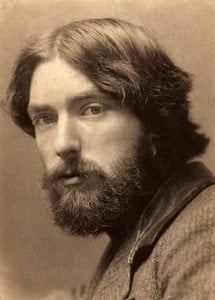
Augustus Edwin John

Augustus Edwin John

1878 - 1961 , Ameerika Ühendriigid

Lühikest infot

  • Artistic Movement Or Style: Post-Impressionism
  • Artists Or Movements Influenced By This Artist: ['Modern British painting']
  • Artists Who Influenced This Artist:
    • Rubens
    • Matisse
    • Gauguin
  • Date Of Birth: 4. jaanuar 1878
  • Date Of Death: 31. oktoober 1961
  • Full Name: Augustus Edwin John
  • Nationality: Welsh
  • Notable Artworks:
    • Caspar
    • Air Mechanic Shaw
    • David John
  • Place Of Birth (City And Country): Tenby, Wales
Avastage teoseid, mis on koondatud teemade, stiilide ja omaduste kaupa.