


Hankige trükiivaldatav fail, mis on kvaliteedilt palju parem kui veebilehel näidatud eelvaade. Kõik meie müüdavad digitaalsed pildid pärinevad meie arhiivist kõrge resolutsiooniga originaalfailidest — tavaliselt 5000 kuni 15 000 pikslit laiust — nii et saate julgelt trükida suurematsat, lüüdist teha või detailset sisu reproduktsiooni teha.
Meie stuudiost ei lahtu ükski fail puutumatuna. Digiekpert võrdleb värve algsest maalistimusega ja vajadusel korrigeerib neid, seejärel parandab selgust ja detaile professionaalsete retušimisvahendite abil — püüdes alati jääda truudeks kunstniku pintoonile ja stiilile. Tulemuseks on pilt, mis näeb välja nagu maali, mitte nagu filtreeritud skann.
Teet kinnituse enne lõplikku valmimist: meie ekspert saadab pildi 72 tunni jooksul e-posti ülevaatamiseks. Ei ole rahul? Paluge parandusi või korrektsioone ning kui kvaliteet ei vasta ootustele, võite paluda tagastamist.
See on kvaliteet, millele tuguvad väljaandjad, disainistuudiod, galeriid ja trükikojad.
Laadi alla kõrge resolutsiooniga fail isiklikuks vaatamiseks, trükkimiseks ja loomingulisteks projektideks. ( Lülita trükkitoodetele Osta käsitsi maalatud teos)
Valides WahooArt.com, ei saa sa lihtsalt pilti – saad professionaalselt parandatud digitaalse teose, mida on valmistatud täpsusega ja mis on toetatud rahuldamatusgarantiiga. Siin on kõik, mis sinu tellimusega automaatselt kaasneb:
Teie kõrge resolutsiooniga digitaalne pildifail saadetakse teile e-posti 72 tunni jooksul pärast tellimist – kohe kasutamiseks valmis.
Teie teos on professionaalselt optimeeritud arenenud tehisintellekti tööriistade ja käsitsi redigeerimise abil, tagades maksimaalse detailitaseme, selguse ja värvitäpsuse.
Kas kustutasid faili kogukalu unustamisel või kustutamisel? Puudub mure – saad selle uuesti igal ajal ilma lisatasuta.
Nautige oma teoseid koheselt ilma tolli-, maksude või tarnimaskuludeta – digiletchargused on alati maksuvabadud.
Me tagame, et teie digitaalne pilt kajastaks originaali värve professionaalsete tööriistade ja värvihalduse abil võimalikult täpselt.
Kui te ei ole oma digitaalse pildi eest rahul, siis me parandame seda või tagastame 100% summast 100 päeva jooksul – küsimusteta.
Ei ole rahul? Saate täielise tagastaja 100 päeva jooksul pärast digitaalse faili kättesaamist – ilma küsimusteta.
Osta 3 pilti, säästa 10% - Osta 5, säästa 15% - Osta 10+, säästa 20%. Sobib suurepäraselt loomingulisteks projektideks, galeriideks ja agentuurideks.
Augustus Edwin John’s “David and Caspar,” painted in 1912, isn't merely a portrait; it’s a carefully constructed tableau of youthful camaraderie and profound introspection. The canvas immediately draws the viewer into a quiet, sun-drenched meadow, dominated by two figures – a young boy, identified as David, and a slightly older youth, Caspar – standing in relaxed contemplation. Their postures are remarkably naturalistic, suggesting an easy familiarity born from shared experience and mutual respect. John masterfully captures the fleeting expressions of their faces, hinting at unspoken thoughts and a deep connection that transcends mere friendship. The scene is imbued with a palpable sense of serenity, yet beneath this surface tranquility lies a subtle current of melancholy, reflecting perhaps the transient nature of youth and beauty.
John’s style during this period leaned heavily into Post-Impressionism, characterized by bold brushstrokes, vibrant color palettes, and an emphasis on capturing subjective experience rather than photographic realism. He eschewed meticulous detail in favor of conveying mood and atmosphere. Notice the loose application of paint, particularly in the rendering of the sky – a wash of blues and purples that evokes both warmth and a hint of foreboding. The figures themselves are painted with a slightly flattened perspective, contributing to the overall sense of intimacy and immediacy. The choice of medium—oil on panel—allowed John to build up layers of color and texture, creating a rich and luminous surface.
The pairing of “David” and “Caspar” is deliberately evocative, immediately conjuring associations with the biblical story of David and Jonathan. While not a direct illustration of that famous tale, John clearly intended to tap into its powerful themes of loyalty, brotherhood, and sacrifice. The names themselves—David, after the shepherd king, and Caspar, referencing the biblical figure known for his wisdom—suggest a deliberate layering of symbolism. Furthermore, the painting resonates with the spirit of Romanticism, a movement that prized emotion, individualism, and the sublime beauty of nature. The meadow setting, bathed in golden light, embodies this ideal – a space of tranquility and spiritual reflection.
The inclusion of Caspar adds an intriguing layer to the composition. He’s not simply a companion; he possesses a certain gravitas, a quiet intensity that contrasts with David's youthful exuberance. Some art historians have suggested that Caspar represents the older generation, offering guidance and wisdom to the younger boy. The subtle shift in gaze between the two figures—David looking slightly upwards, as if contemplating something beyond the immediate scene—further reinforces this interpretation. The painting invites us to ponder the complexities of human relationships and the enduring power of youthful bonds.
Augustus Edwin John was a complex and often enigmatic figure, known for his bohemian lifestyle and unconventional artistic practices. Born in Wales, he spent much of his life traveling throughout Europe, immersing himself in diverse cultures and artistic traditions. His work is deeply personal, reflecting his own experiences and emotions. “David and Caspar” offers a glimpse into this world—a world of passionate friendships, spiritual quests, and a profound appreciation for the beauty of the natural world. The painting’s enduring appeal lies not only in its technical skill but also in its ability to evoke a sense of nostalgia and wonder.
Further research reveals that John was particularly fascinated by the Romani people, whom he often depicted in his paintings. His interest in their culture led him to travel extensively throughout Europe, documenting their lives and customs. The painting’s composition—with its emphasis on natural light and simple forms—can be seen as a reflection of this fascination with the beauty of everyday life. The inclusion of Caspar, a figure who appears to be of Romani descent, adds another layer of complexity to the painting's symbolism.
Useful Links:
Augustus Edwin John korduvad teemad hõlmavad influenced by friedrich, john, romanticism, brotherhood, friendship, wales, bohemian life, travel; teos "David and Caspar" keskendub david, caspar, portrait, cowboy, landscape, victorian, brotherhood.
Teose „David and Caspar“, autor Augustus Edwin John Earthy värvigamma sobib suurepäraselt selle soovituslikule ruumile: Living Room.
Teose „David and Caspar“, autor Augustus Edwin John vorm on Portrait. See vorm kirjeldab kompositsiooni proportsioone.

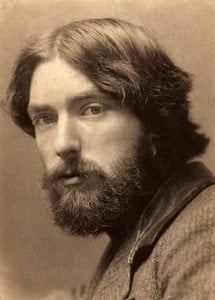
1878 - 1961 , Ameerika Ühendriigid
 Eelvaade
 Saada
Saada Jaga
Jaga
 Teave teose kohta
 Juhend

 Laadi alla
 Sarnased teosed
 Röntgenuuring
 Slaidietendus
 Q&A
Q&A Statistika


 Loe lähemalt


