


Muuseumikvaliteediga giclée- või kangasprint kiire tootmisega ja paindlikud viimistlusvõimalused. ( Osta käsitsi maalatud teos Lülita digitaalse pildi juurde)





























Vali meie eelmääratud suurused, mis vastavad teose algupärastele proportsioonidele.

Sisestage vajalik laius ja kõrgus, et see sobiks teie raamile või seinale. Trükki saab ainult lõigata, seda ei saa kunagi pildist suuremaks teha, seega ka erineva mustega suurus kaotab osa pildist. Enne trükkimist saadame teile kinnitamiseks digitaalse näidisprojektsiooni. Sellel lehel näidatud pilt ei kujuta reaalset lõiget — seda näitab ainult näidisprojektsioon.
Ülemaailmne tarne () 2 nädala jooksul, tavalise 4/5 nädala asemel. (16 november)
Veritas
Reproduktsiooni suurus
In this somber monochrome portrait, the figure of Veritas emerges from a deep, undifferentiated void. Painted by Arnold Böcklin about 1881, the work presents a female personification of Truth. She holds a long, slender sword upright in her right hand, a gesture that feels both steady and unyielding. Her gaze is direct, meeting the viewer with a stoic expression that suggests a quiet, piercing revelation. There is a sense of stillness here, as if she exists in a space removed from the passage of time.
The subject possesses a statuesque quality, her form rendered with a luminous skin texture that contrasts against the dark background. Fine, translucent folds of draped fabric fall from her head, adding a layer of soft, organic detail to her classical silhouette. The sharp, vertical line of the blade cuts through the composition, providing a rigid counterpoint to the curves of her anatomy. She does not merely exist within the frame; she commands the space with a presence that feels both ancient and immediate.
Through this allegorical lens, Arnold Böcklin explores themes of purity and strength. The grayscale palette strips away the distraction of color, forcing a confrontation with the subject's intense, singular purpose. Every shadow and highlight works to define her form, creating a sense of shallow depth that keeps the focus entirely on her unwavering stare and the metallic sheen of her weapon. Truth stands before us, stripped of ornament, defined only by her essence and her steel.
The composition centers on a vertical portrait, drawing the eye immediately to the upper torso and head of the woman. She holds a long, slender sword upright in her right hand, a sharp verticality that cuts through the space. This straight, rigid line of the blade provides a striking contrast to the soft, organic curves of her anatomy. The subject gazes directly toward the viewer with a stoic expression, her eyes meeting the observer in a moment of unyielding presence. Everything about her posture suggests a stillness that is both heavy and resolute.
Light and shadow perform a dramatic dance across the figure, creating a strong chiaroscuro effect. This interplay of light pulls her form out of a dark, undifferentiated void, giving the portrait a sense of shallow depth. The color palette remains strictly grayscale, stripping away the distraction of hue to focus entirely on the interplay of tone. One can almost feel the textures through the visual shifts: the smooth, luminous quality of the skin contrasts against the metallic sheen of the blade and the fine, translucent folds of the draped fabric falling from her head.
The work emerges from a style of academic realism infused with heavy allegorical symbolism. Every brushstroke seeks to ground the ethereal subject in a tangible, physical reality. This sense of presence is heightened by the medium, as the piece appears to be executed in oil on a small panel or canvas. The intimate scale of 27.4 x 21.8cm forces a close encounter with the subject, demanding a quiet, focused gaze to fully register the subtle shifts in light and form. It is a work that feels contained, as if the energy of the figure is being held within its modest boundaries.
A profound darkness defines the environment, with a background of deep black void that offers no sense of horizon or distance. This lack of setting pushes the figure forward, creating a sharp, dramatic contrast between the luminous skin and the surrounding nothingness. The light seems to strike the subject from an unseen source, carving out the anatomy with precision. This technique creates a sense of weight and volume, making the figure feel as though she is stepping out from the shadows into the viewer's immediate space. The composition remains fixed and steady, anchored by the verticality of the sword and the stillness of the pose.
Created about 1881, the painting relies on the interplay of light and shadow to define its narrative. The textures of the draped fabric and the metallic edge of the blade emerge from the darkness through careful application of pigment. There is a tension between the soft, organic lines of the human form and the rigid, unyielding geometry of the weapon. This visual dialogue between the living and the inanimate reinforces the allegorical weight of the scene, leaving the viewer to wonder at the silent strength held within this monochrome realm.
Soovitatav kombinatsioon teosele „Veritas“, autor Arnold Böcklin: Small trükis Living Room-s.
Teose „Veritas“, autor Arnold Böcklin autoriõiguste staatus on selge: teos kuulub avalikule omandile (avalikus õiguses – selle autoriõigud onหมดunud). Selle paik Bavarian State Painting Collections kollektsioonis ei muuda seda staatust.
Teose „Veritas“, autor Arnold Böcklin eregus on deep_shadow ja luminants on Dark.

Šveitsi linn Basel on olnud algupunkt elule, mida iseloomustas püsiv pinge aistitava ja vaimse maailma vahel. 16. oktoobril 1827 sündinud Christian Frederick Böcklin ja Ursula Lippe poeg liikus eventually oma isa siidikaubandusega seotud maailmast kaugemale, suvaliselt Düsseldorfi akadeemia rangesse õppekonnas. Schirmeri juhendise all hakkas ta omastama maastiku keelt – oskust, mida ta kasutas hiljem inimpsyhke geograafia kaartamiseks. Ta ei pildistanud pelgalt loodust; ta lõi maailmad, kus klassikaline ja makabers kokku põrtsavad.
Üleminek akadeemilisest Düsseldorfi rangastusest Pariisi valguse ja Rooma antikvaalist kaalust märks uut suunda tema visioonis. Louvre'is imetles ta meistrite ajalugu, kuid just Itaalia atmosfäär kujastas tema käega lõpuku. Ta naasid Rooma aastateks 1862–1866, perioodil, mil tema värvigavandus hakkas eelistama vereisemaid ja ekspressiivseid toone. See ei olnud Renessansi ahelas päikeseloojangiga täidetud Itaalia, vaid sügavate varjudest ja müütilisest kaalust koosnev koht. Tema kunst hakkas kummertama allegoriate poole, kasutades antikvaadi figureeritud, et uurida surma rasket ja vältimatut kohalolu.
19. sajandi lõpuks oli tema maine kinnitanud konkreetne, kummitlev mure. Aastatel 1880–1886 loomis ta viis versiooni teosest Säär surma. See teos, mis sai inspiratsiooniks Florentsi inglise kalmistik, kus tema tütar aseenas, sai sümbolismi liikumuse keskpunktiks. See on sügava vaikus eeslaht, kus ulatub kivine saar, tumedad tsypressid ja vaikselt rannaäärde lähenev paat. Maal ei kirjuta vaid kohta; see kirjeldab olemise seisundit. See võime püüda kinni haldamatuse – unenägede sosinad ja järelejoonu raskuse – tõi ta uue Euroopa tundlikkuse kesksesse.
Tema tehniline lähenemine kasutas sageli paksud ja ekspressiivsed impastod ehk värvikihtid, eriti teosena La Guerre (1896). Selles teoses värinab lina konfliktide kaosist. Ta vältib traditsionalismi puhtaid liite ja eelistab selle asemel tihedat, kihutatud kompositsiooni, kus figuurid kokku põrjavad häbuva arhitektuuri keskel. See on häbususe viskeerne manifestatsioon, kus veel on müti ja reaalsuse vahel ning see lahvab varjudega tormiks. Tema stiil puudutas pre-rafaeliite, kuid ta jäi eristatavaks, keskendudes mystikaile, mis tundus nii antikvaadset kui ka hästi modernset.
Tema piltide mõju ulatus kaugele üle lina, jõttades romantika lõpusmuusika heli-maailma. Tema maalid pakkusid visuaalset stimulust helilistele, mõjutades eriti Gustav Mahleri loomingulist atmosfääri. Tema võime ühendada visuaalne ja psühholoogiline tähendas, et tema mõju tundisid ära need, kes püüdisid esitada alajadust. Tema mõju puudutas mitmeid kunstnikke:
Ta suris Fiesoles, Itaalis, jättes jätkama teoseloomu, mis keeldus lihtsast klassifikatsioonist. Ta oli Švitsi maastiku, Rooma taverna ja müütilise hiha kunstnik, kuid tema tõeline teema jäi unknown – teadmata olevuse vaikne ja püsiv kohalolu. Tema teosed on säilitatud olulistes kollektsioonides, sealhulgas Kunstmuseumis Basel ja Kunsthaus Zürichis, serveerides kui ankurid neile, kes uurivad müti ja surma liitpunkti.

1827 - 1901 , Šveits
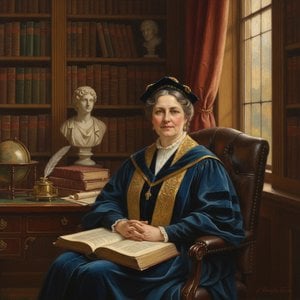
Discover the profound beauty of Academic Portraiture. Explore how classical realism captures prestige through meticulous technique, anatomical truth, and timeless elegance—perfect for discerning collectors seeking museum-quality mastery and historical grandeur.

Explore the clinical precision of German New Objectivity through masters like Otto Dix. Discover the truth behind the Weimar era's raw realism.

Discover the profound beauty of Classical Realism. Explore a curated guide to academic mastery, from technical precision to timeless elegance, perfect for discerning collectors seeking museum-quality excellence and bespoke artistry.

Master the art of decoding hidden symbols and visual allegories in historical masterpieces. Elevate your collection with expert insights.

Decode the profound symbolism of hands in masterworks from Van Gogh to Hindu mudras. Explore the silent language of art with our expert guide.
 Eelvaade

 Saada
 Jaga
 Teave teose kohta
 Juhend


 Laadi alla
 Sarnased teosed
 Röntgenuuring
 Slaidietendus
 KÜSIMUSED JA VASTUSID

 Statistika


 Loe lähemalt









 Klaasivalik on saadaval ainult kuni 110 cm suuruses teostes


