Ralph Griffin: Bridging Tradition and Innovation in Southern Landscape Painting
Ralph Griffin (1925-1992) emerged from the fertile soil of rural Georgia as an artist deeply rooted in both vernacular traditions and modernist sensibilities. His life’s journey—from a cotton farm upbringing to civil rights activism and culminating in a distinguished career as a sculptor—shaped his artistic vision, resulting in paintings that capture the essence of the American South with remarkable sensitivity and stylistic boldness. Griffin's formative years instilled in him an unwavering connection to the land and its rhythms, informing his meticulous observation of natural forms and textures. This grounding would prove crucial to his distinctive approach to landscape painting, characterized by a masterful blend of Post-Impressionist color palettes and Expressionistic brushwork.
Early Artistic Influences Griffin’s artistic development was profoundly impacted by figures like Winslow Homer and Frederic Remington—artists who similarly explored themes of rural life and the grandeur of the American wilderness. Homer's evocative depictions of coastal Maine landscapes instilled in Griffin a fascination with capturing mood and atmosphere, while Remington’s dynamic portrayals of cowboys and frontier scenes honed his ability to convey movement and energy. However, Griffin’s artistic explorations extended beyond mere stylistic imitation; he actively engaged with the intellectual currents of his time, absorbing ideas from philosophers like Henri Bergson and Marcel Proust—artists who championed subjective experience and the significance of memory. These influences contributed to Griffin's belief that art should strive to transcend objective representation, aiming instead to evoke profound emotional responses in viewers.
Ralph Griffin’s Artistic Style and Technique Griffin’s distinctive artistic style was characterized by a deliberate rejection of academic conventions, prioritizing spontaneity and expressive gesture over meticulous detail. He favored large-scale canvases—often measuring upwards of six feet wide—allowing him to immerse himself fully within the materiality of his subjects. Griffin's technique involved applying paint thickly onto the canvas, creating textured surfaces that mirrored the rugged beauty of the landscapes he depicted. Bold brushstrokes—executed with confidence and conviction—were employed to convey movement and dynamism, capturing the fleeting moments of light and shadow that define the natural world. Furthermore, Griffin’s masterful use of color—particularly vibrant hues of crimson, ochre, and indigo—served as a conduit for emotional expression, mirroring the passions and anxieties inherent in human experience. His palette was informed by his deep understanding of Georgia's geological formations and plant life, reflecting an unwavering commitment to portraying the natural world with uncompromising honesty.
Notable Works and Legacy Griffin’s artistic legacy rests on a body of paintings that powerfully convey the spirit of the American South—particularly scenes of rural landscapes bathed in golden light. Among his most celebrated works are depictions of Georgia pine forests, cypress swamps, and rolling hills dotted with wildflowers—each canvas imbued with an arresting sense of immediacy and emotional resonance. Griffin’s sculptures—primarily root assemblages crafted from reclaimed wood—further solidified his reputation as a visionary artist who sought to forge connections between humanity and the natural world. These sculptures—often monumental in scale—were conceived as meditations on themes of mortality, regeneration, and ecological interdependence. Griffin's work has been exhibited extensively throughout North America and Europe, garnering critical acclaim for its stylistic innovation and conceptual depth. He remains a pivotal figure in contemporary American art history, demonstrating the enduring power of artistic expression to illuminate both personal experience and broader cultural concerns. His influence can be seen in the works of subsequent generations of artists who embraced similar approaches to landscape painting and sculpture—artists who recognized Griffin’s unwavering commitment to capturing the sublime beauty of the natural world with uncompromising honesty.
Explore the profound landscapes of George Inness, a leading American artist-philosopher. Discover his spiritual approach to painting, influences, and lasting legacy with WahooArt.
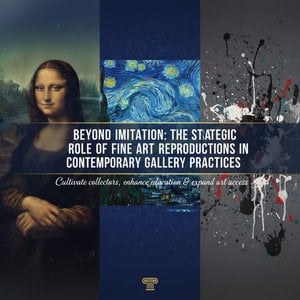
Descubra cómo las galerías de élite redefinen el valor de las reproducciones artísticas. Expertos en calidad, personalización y coleccionismo. Invierta con confianza.
¡Hola! Puedo ayudarte a elegir una obra de arte, realizar el seguimiento de un pedido o resolver tus dudas sobre la garantía. ¿En qué puedo ayudarte hoy?