La vida y el arte de Eugène Delacroix
El aire en Charenton-Saint-Maurice, cerca de París, se siente cargado con el peso de una era en transformación cuando Ferdinand Victor Eugène Delacroix llega al mundo el 26 de abril de 1798. Él no se limita a habitar el siglo XIX; él define su pulso emocional. Como líder de la escuela romántica francesa, Eugène Delacroix rechaza las líneas frías y calculadas de la generación anterior. Busca algo más volátil. Su pincel se mueve con una energía inquieta que refleja las convulsiones sociales de Francia, cambiando la contención académica por una expresión cruda e individualista de la condición humana.
Su carrera es una serie de colisiones intensas entre la visión y la realidad. Navega por un paisaje de rebelión política y pasión personal, encontrándose a menudo en el centro de los momentos más turbulentos de la época. Para cuando llega al final de su vida, el 13 de agosto de 1863, ha alterado fundamentalmente la trayectoria de la pintura europea. Deja tras de sí un legado de movimiento y color que desafía los cimientos mismos de la tradición clásica.
Primeros años, familia y formación
El linaje de Eugène Delacroix está arraigado en una mezcla de artesanía y diplomacia. Su madre, Victoire Oeben, era la hija del ebanista Jean-François Oeben. Su padre, Charles-François Delacroix, se movía en círculos influyentes, un hecho que se reflejaba en la posición social de la familia. Eugène creció junto a tres hermanos mucho mayores: Charles-Henri, Henriette y Henri. Esta diferencia de edad creó un hogar compuesto por adultos establecidos, más que un nido de pares.
Su educación siguió el camino del sistema académico francés. Asistió al Lycée Louis-le-Grand y al Lycée Pierre Corneille en Rouen. Estos años de estudio proporcionaron la base intelectual para sus exploraciones posteriores. La transición de estudiante a artista comenzó bajo la tutela de Pierre-Narcisse Guérin. Siendo un destacado pintor neoclásico, Guérin le proporcionó la formación formal necesaria para el mundo del arte parisino. Mientras que Guérin enfatizaba las rigideces del Neoclasicismo, las semillas de un enfoque diferente y más emocional ya se estaban sembrando a través de esta rigurosa instrucción académica.
Mecenas y protectores artísticos
La trayectoria de la carrera de Eugène Delacroix encuentra su anclaje bajo la sombra de Charles-Maurice de Talleyrand-Périgord. Un hombre de un peso político inmenso, Talleyrand era un amigo cercano de la familia y una figura que reclamaba un vínculo paternal con el joven artista. Esta relación proporcionó algo más que un simple estatus social; ofreció un conducto directo hacia los escalafones más altos de la influencia francesa. Mientras Talleyrand navegaba las cambiantes mareas políticas, sirviendo tanto a la Restauración como al rey Luis Felipe, se aseguró de que Eugène Delacroix permaneciera posicionado en el centro de la vida parisina. A través de él, el artista recibió numerosos encargos anónimos, permitiendo que su obra circulara por los círculos de la élite bajo un velo de discreción.
Esta protección se extendió hacia la maquinaria política de mediados del siglo XIX. Charles Auguste Louis Joseph, duque de Morny, actuó como otro escudo vital para el pintor. Este sistema de apoyo permitió a Eugène Delacroix navegar por un paisaje de valores estéticos cambiantes y agitación política. Si bien el estilo del artista a menudo desafiaba el orden establecido, su acceso a mecenas poderosos le proporcionó la estabilidad necesaria para perseguir su visión específica del Romanticismo. Estas conexiones tendieron un puente entre el estudio y el Estado, asegurando que su presencia en el mundo del arte se mantuviera constante a pesar de la turbulencia de la época.
El viaje transformador al norte de África
El año 1832 marca un giro repentino en la trayectoria de Eugène Delacroix. Viaja al norte de África como parte de una misión diplomática al sultán de Marruecos. Este no es un simple viaje de turismo; es un periodo de observación intensa. Durante su estancia en Argelia, el paisaje y su gente dejan una huella imborrable en su alma. Se desplaza a través de estos territorios, absorbiendo la luz y las costumbres de un mundo vastamente distinto a los salones parisinos.
La magnitud de su producción durante estos meses es inmensa. Produce más de 100 pinturas y dibujos, capturando la esencia de la región a través de bocetos rápidos y obras terminadas. Estos estudios hacen algo más que documentar un viaje; ayudan a dar forma al Orientalismo. Su visión de Oriente se construye a partir de estos encuentros directos, transformando la manera en que el arte europeo percibe la vida en el norte de África. Los bocetos y pinturas de este periodo proporcionan el lenguaje visual para un nuevo movimiento artístico.
- Jewish Wedding in Morocco (hacia 1839)
- The Women of Algiers (1834)
Técnica y Estilo Expresivo
El lienzo se convierte en un escenario de fricción. Eugène Delacroix rechaza las líneas rígidas y limpias del Neoclasicismo, optando en su lugar por una pincelada suelta y texturas densas y ricas. Prioriza la intensidad cromática y la expresión emocional por encima de la precisión del dibujo. La luz y la sombra no se limitan a iluminar; esculpen. A través del uso del claroscuro, talla formas de la oscuridad, creando una sensación de profundidad y peso psicológico. Este enfoque se aleja de la exigencia académica de los contornos perfectos, favoreciendo, en cambio, el impacto inmediato del color.
Su influencia se extiende hasta la mecánica de la visión. Al estudiar los efectos ópticos del color, desarrolla un lenguaje de luz que más tarde daría forma a la obra de los impresionistas. Este enfoque sobre cómo el ojo percibe los matices cambiantes marca una ruptura con las composiciones estáticas de sus predecesores. Más allá de sus óleos de gran formato, su mano es igualmente precisa en otros medios. Como un refinado litógrafo, traduce narrativas complejas en impactantes obras gráficas, ilustrando los escritos de William Shakespeare y Johann Wolfgang von Goethe.
Obras Clave y Maestras Icónicas
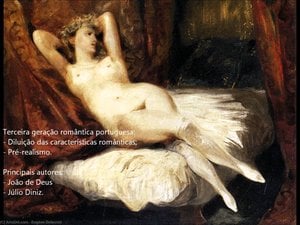
El año 1825 marca un giro repentino en su producción artística. En este periodo, Eugène Delacroix produce La ejecución del duque Marino Faliero y La Odalisca, obras que señalan un alejamiento de las rígidas restricciones de la era anterior. Estas piezas priorizan la intensidad emocional y una ruptura con la precisión académica, permitiendo que el caos y la pasión comiencen a definir su lienzo.
La escala de su ambición se expande con La muerte de Sardanapalo. Inspirada por Lord Byron, la escena estalla en un espectáculo de destrucción decadente; es una obra monumental de turbulencia pura. Hacia 1830, su enfoque se desplaza hacia el pulso político de Francia. La libertad guiando al pueblo captura la Revolución de Julio, utilizando una figura alegórica para encarnar el espíritu de la rebelión y la identidad nacional. La composición es dinámica, arrastrando al espectador hacia el centro mismo de la lucha.
Su mirada se dirige finalmente hacia el paisaje del norte de África. En 1834, completa Las mujeres de Argel. Esta obra refleja la profunda influencia de sus viajes, capturando una atmósfera única a través de un uso específico de la luz y el color. Su pincelada se mantiene suelta, favoreciendo la expresión de un estado de ánimo por encima del detalle meticuloso de sus predecesores.
- La ejecución del duque Marino Faliero (1825)
- La Odalisca (1825)
- La libertad guiando al pueblo (1830)
- Las mujeres de Argel (1834)
Legado e Influencia Duradera
El cambio en la pintura europea encuentra sus raíces en su pincelada. Al priorizar los efectos ópticos del color sobre la precisión rígida de la línea, Eugène Delacroix desmanteló el dominio del Neoclasicismo. Esta ruptura creó la fricción necesaria para el surgimiento del Impresionismo y el Postimpresionismo. Sus experimentos con la intensidad cromática y sus trazos sueltos y expresivos proporcionaron un modelo para aquellos que, más tarde, buscarían capturar la luz y la atmósfera a través del color puro.
Su fascinación por lo exótico y por "lo otro" desencadenó un efecto dominó que recorrió finales del siglo XIX. Esta pasión por los paisajes y las tradiciones del norte de África proporcionó la chispa esencial para el movimiento Simbolista. Los ecos de su visión alcanzan la era moderna, influyendo en un linaje de artistas que incluye a Henri Matisse, Wassily Kandinsky y Paul Klee. Él permanece como un puente entre eras, categorizado a menudo como uno de los últimos Grandes Maestros de la pintura.
Dónde ver sus obras hoy en día
Los rastros de la vida de Eugène Delacroix permanecen anclados en París. En el Musée national Eugène Delacroix, la atmósfera se transforma, pasando del escrutinio público a la esfera más íntima. Este museo ocupa el último apartamento del artista, preservando el mismo estudio donde desarrolló su genio. Los visitantes recorren el espacio donde alguna vez descansaron sus paletas y caballetes, rodeados de sus dibujos y de los objetos personales recolectados durante su estancia en el norte de África.
Más allá de este entorno íntimo, su presencia domina los pasillos del Musée du Louvre. Aquí, la escala de su visión se expande; el museo alberga muchas de sus obras maestras, incluyendo los lienzos monumentales que definieron el movimiento romántico. Al otro lado del Atlántico, el Metropolitan Museum of Art en Nueva York mantiene una presencia significativa de su producción, asegurando que su influencia trascienda las fronteras de Francia. En el Reino Unido, el Fitzwilliam Museum en Cambridge custodia La Odalisca, una pieza que resalta su fascinación por lo exótico.
El alcance de su pincel se extiende también a otras colecciones especializadas. En el Musée Fabre de Montpellier, el Retrato de Alfred Bruyas permanece en exhibición, ofreciendo una mirada a los círculos sociales de su época. Contemplar su obra es encontrarse con los restos físicos de una vida dedicada a perseguir la luz y el color a través de los continentes.
- La muerte de Sardanápalo
- La Libertad guiando al pueblo
- Las mujeres de Argel
Preguntas y respuestas
¿Dónde puedo ver la paleta cromática de la obra de Eugène Delacroix?
El uso del color de Eugène Delacroix en las obras listadas en este sitio web puede estudiarse en la página ADN de la Paleta del artista.
¿Dónde se encuentran las obras de Eugène Delacroix agrupadas por técnica?
La página Todas las técnicas agrupa las obras de Eugène Delacroix por técnica.
¿Dónde se pueden ver las obras de Eugène Delacroix agrupadas por movimiento artístico?
Puedes explorar las obras de Eugène Delacroix por movimiento en su página de Todos los movimientos.