Asesoría de arte gratuita

x
Encargar reproducción Encargar reproducciónComprar imagen en alta resolución Comprar imagen en alta resolución EnviarEnviar
DetailsDetails Añadir a favoritos Añadir a favoritos DescargarDescargar SimilaresSimilares X-RayX-Ray Presentación de diapositivasPresentación de diapositivas

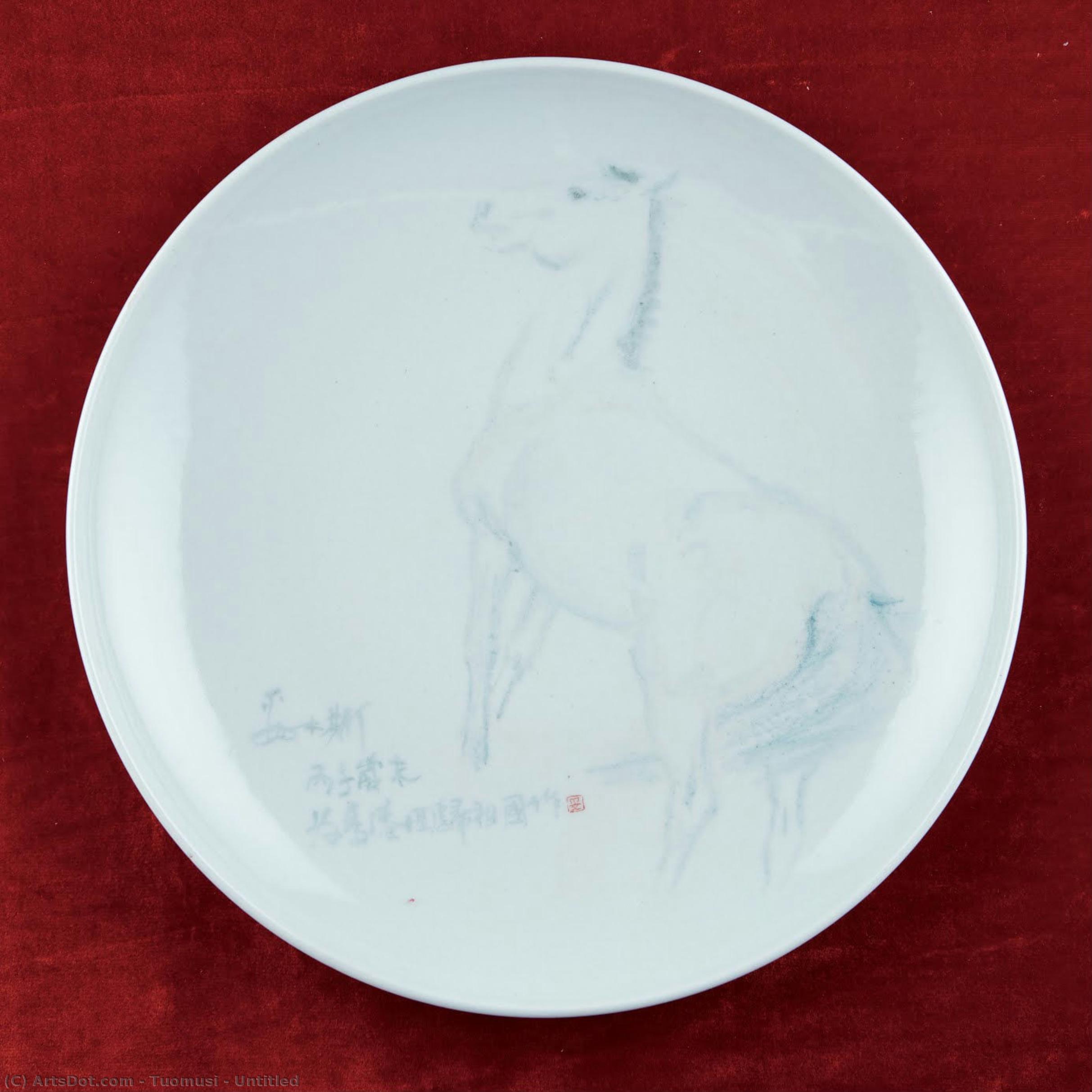
Untitled

Descubre tuomusi, un artista mongol pionero conocido por la escuela de pintura de steppe. Explora sus pinturas al óleo como "Mujeres en pajizo" y "El Largo Vecino".

Giclée / Impresión de arte

Impresión giclée o en lienzo de calidad de museo con producción rápida y opciones de acabado flexibles.

Standard
custom
CM
INCH

Elija entre nuestros tamaños predefinidos que respetan las proporciones originales de la obra.

ancho
altura

Puede introducir sus propias dimensiones para adaptarse a un marco o espacio específico. Si el tamaño seleccionado no coincide con las proporciones de la imagen original, recortaremos la obra de arte o extenderemos la imagen con un borde con efecto espejo o de color sólido. Se enviará una maqueta digital para su aprobación antes de que comience la producción.
Tenga en cuenta que la vista previa en pantalla no refleja el recorte o la extensión real. Solo la maqueta mostrará con precisión la composición final.
Aunque existen tamaños personalizados, recomendamos seleccionar una dimensión de la lista predefinida para preservar las proporciones originales.

Entrega mundial () en 2 semanas en lugar de las 4/5 semanas estándar. (2 julio)

why_choose_icon
Envío exprés gratuito a todo el mundo
why_choose_icon
Lienzo de lino de alta calidad
why_choose_icon
Seguro de envío total
why_choose_icon
Garantía de reembolso de impuestos aduaneros
why_choose_icon
Garantía de fidelidad de color
why_choose_icon
Política de devolución de 60 días (solo por defectos)
why_choose_icon
Garantía de devolución del 100% del dinero
why_choose_icon
Descuento por pedido múltiple

Precio total

-

reproduction

Untitled

Giclée / Impresión de arte

Tamaño de la reproducción

-

Precio total final

-

Descripción de la obra

Tuomusi was born in 1932 in Tumute Zuoqi, Inner Mongolia. He graduated from the Oil Painting Department of the Central Academy of Fine Arts in 1958. In 1963, after graduating from the oil painting research class of Central Academy of Fine Arts, he was assigned to teach in the Department of Fine Arts of Inner Mongolia Normal University. In 1987, he won a special prize for literary and artistic creation in Inner Mongolia. He led a group of young artists to grow up, forming a unique style - the distinct

Biografía del artista

Tuomusi: The Voice of Mongolian Landscape

Tuomusi, born Tumurtei in 1932 in Tumurtei Zuoiqi, Inner Mongolia Autonomous Region, stands as a monumental figure in Mongolian art history. His formative years were steeped in the traditions of nomadic culture, profoundly shaping his artistic vision and establishing him as one of the foremost proponents of what is affectionately termed “the grassland painting school.” This distinctive style emerged from a deep connection to the vast steppe landscapes of Mongolia—a connection that continues to permeate his oeuvre. Early Life & Education: Tuomusi’s formal artistic training commenced at the Central Art Academy in Beijing in 1958, where he honed his skills in oil painting techniques. However, it was his subsequent appointment as instructor at Inner Mongolia Normal University in 1963 that cemented his role as a teacher and nurtured the burgeoning talent of younger artists. This early exposure to artistic disciplines instilled in him a lifelong passion for visual expression and solidified his commitment to fostering creativity within the Mongolian art community. The Grassland Painting School: The true genesis of Tuomusi’s artistic legacy lies in his pioneering efforts to cultivate a unique aesthetic rooted in Mongolian folklore and visual culture. Recognizing the importance of preserving cultural heritage, he championed a style characterized by bold brushstrokes, vibrant colors—primarily yellows and greens—and an uncompromising depiction of the steppe environment. This approach deliberately rejected Western conventions, prioritizing emotional resonance over meticulous realism; instead, Tuomusi sought to convey the spirit of Mongolia through evocative imagery that captured its grandeur and vulnerability. He believed that art should serve as a conduit for cultural identity, ensuring that Mongolian traditions endured across generations. Notable Achievements & Recognition: Tuomusi’s artistic endeavors garnered considerable acclaim throughout his career. In 1987, he received the Special Literary and Artistic Prize from Inner Mongolia for his invaluable contributions to Mongolian culture—a testament to his dedication to promoting artistic excellence and safeguarding cultural heritage. Subsequent honors included the Wu Zuoren International Fine Arts Award in 1990 and continued governmental support since then, reflecting the profound respect accorded to his work within Mongolia and internationally. His involvement on numerous artistic committees – including the Education Committee of Art Affairs, Vice President of the Inner Mongolian Writers’ Association, and Chairman of the Mongolian Artists Association – underscored his unwavering commitment to advancing artistic discourse and fostering collaboration among artists. Legacy & Influence: Tuomusi's influence extends far beyond Mongolia’s borders. He is widely regarded as a pivotal figure in establishing a distinctive artistic idiom that distinguishes Mongolian art from its Western counterparts, inspiring generations of artists to explore themes of pastoral life, resilience, and the enduring spirit of their homeland. His unwavering dedication to preserving cultural heritage and promoting artistic creativity ensures his place as one of Mongolia’s most important cultural figures—a voice that continues to resonate within the global art landscape. His celebrated paintings explore themes of pastoral life, resilience, and the enduring spirit of Mongolia. Notable works such as “Women in Haystack,” “Close,” “Long Neigh,” and “Old Man” exemplify his masterful command of color and texture, conveying a palpable sense of atmosphere and emotion. These pieces are not merely representations of landscapes; they are embodiments of Mongolian identity—a testament to the artist’s ability to capture the soul of his homeland.
Tuomusi

Tuomusi

1932 - , Mongolia

Datos clave

  • Artistic Movement Or Style: Grassland Painting School
  • Date Of Birth: 1932
  • Full Name: Tumurtei
  • Nationality: Mongolian
  • Notable Artworks:
    • Women in Haystack
    • Close
    • Long Neigh
    • Old Man
  • Place Of Birth: Tumurtei, Mongolia