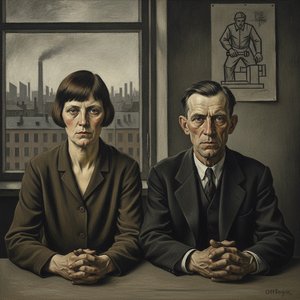
El legado explosivo de Karl Otto Götz
Karl Otto Götz (1914 – 2017) se erige como una figura inigualable en los anales del arte del siglo XX, un creador cuya extraordinaria longevidad —que superó el siglo de vida— solo fue equiparable a la pura intensidad y complejidad de su visión artística. Nacido en Aquisgrán, Alemania, Götz fue mucho más que un simple pintor; fue cineasta, dibujante, grabador, escritor y profesor que moldeó profundamente el panorama artístico de su época. Su carrera estuvo definida por formas abstractas explosivas que le valieron el reconocimiento internacional, especialmente durante su aparición en la Documenta II en 1959, acontecimiento que consolidó su lugar como uno de los miembros más vitales del movimiento alemán Art Informel.
Su viaje comenzó entre las corrientes de vanguardia de su juventud, donde cultivó una profunda fascinación por el surrealismo y el expresionismo. Las obras de maestros como Max Ernst, Juan Gris, Wassily Kandinsky y Paul Klee sirvieron como inspiraciones tempranas cruciales, moldeando sus exploraciones estilísticas iniciales. Mientras asistía a la Escuela de Artes Aplicadas en Aquisgrán entre 1932 y 1933, perfeccionó las habilidades técnicas que más tarde servirían a sus experimentos más radicales. Sin embargo, la sombra acechante del nazismo proyectó una profunda oscuridad sobre su trayectoria temprana; debido a que el régimen veía el arte abstracto con un intenso desaprobación, Götz fue prohibido de exhibir. No obstante, en un acto de silenciosa resistencia, perseveró, continuando secretamente la creación de obras que desafiaban las limitaciones ideológicas de aquel tiempo.
El espíritu del Art Informel y el gesto espontáneo
La era de la posguerra trajo consigo un resurgimiento de la experimentación artística en Alemania, impulsado por un desencanto generalizado con la estética tradicional y un anhelo desesperado por nuevas formas de expresión. Fue dentro de este terreno fértil donde Götz emergió como un defensor fundamental del Deutsches Informel, o Arte Informal alemán. Este movimiento priorizaba el poder bruto del gesto y la espontaneidad por encima de la representación meticulosa y controlada del pasado. La obra de Götz se convirtió en un vehículo para esta energía, caracterizada por una aplicación rítmica, casi frenética, de la pintura que capturaba la turbulencia psicológica del periodo de posguerra.
Su maestría se extendió más allá del lienzo hacia diversos medios, donde exploró la intersección entre el movimiento y la imagen. Sus contribuciones al arte televisivo y su capacidad para traducir la energía cinética de la pintura a otros formatos demostraron una búsqueda incesante de la innovación. Este periodo de su vida estuvo marcado por el rechazo a quedar atado a un único estilo, moviéndose con fluidez entre:
- Expresionismo Abstracto: Utilizando trazos rápidos y gestuales para transmitir emociones.
- Grabado y Medallística: Creando piezas simbólicas en bronce que reflejaban tensiones históricas y simbolismo político.
- Cine Experimental: Explorando la dimensión temporal de la abstracción visual.
Significancia histórica e influencia perdurable
La importancia de Karl Otto Götz reside no solo en sus logros individuales, sino en su papel como puente entre la vanguardia de principios del siglo XX y la era contemporánea. Su trabajo proporcionó un vínculo vital para las generaciones posteriores de artistas, influyendo en titanes del arte alemán como Sigmar Polke y Gerhard Richter. Al defender una estética que abrazaba lo impredecible y lo sin refinar, ayudó a redefinir los límites de lo que la pintura podía lograr en un mundo moderno y fracturado.
Incluso cuando trabajaba en medios más estructurados, como sus impactantes medallones de bronce, Götz infundió a sus sujetos con el lenguaje audaz y simbólico del Art Informel. Ya fuera representando figuras históricas o conmemorando incidentes navales mediante una imaginería poderosa y simbólica, su trazo permaneció inconfundiblemente suyo: dinámico, autoritario y profundamente conectado con el pulso de la historia. Su legado sigue siendo un testimonio del poder de la resiliencia artística, demostrando que, incluso bajo los regímenes más restrictivos, el impulso hacia la libertad abstracta nunca puede ser verdaderamente extinguido.
Preguntas y respuestas
¿Cuántas obras de Karl Otto Götz hay disponibles para explorar?
Puede explorar 8 obras de arte obras de Karl Otto Götz en la página Todas las obras.
¿Puedo explorar las obras de Karl Otto Götz por tema?
La página Atlas de temas organiza las obras de Karl Otto Götz por tema.
¿De dónde es Karl Otto Götz?
Karl Otto Götz nació en Alemania.
¿En qué periodo histórico trabajó Karl Otto Götz?
Karl Otto Götz trabajó durante el periodo Edad Moderna. Este periodo sitúa la actividad del artista en la historia.
¿Cómo puedo encontrar todas las obras de Karl Otto Götz en una técnica determinada?
La página Todos los medios agrupa las obras de Karl Otto Götz por técnica.
¿Cómo evolucionó el arte de Karl Otto Götz a lo largo del tiempo?
La Crónica de Karl Otto Götz es una línea de tiempo con desplazamiento vertical que presenta las obras del artista en orden cronológico, agrupadas en capítulos por periodos de su carrera.
¿Dónde puedo ver las obras de Karl Otto Götz organizadas por atmósfera?
La Galería de estados de ánimo de Karl Otto Götz es una página que organiza las obras del artista según el estado de ánimo.
¿Puedo explorar las obras de Karl Otto Götz por movimiento?
La página Todos los movimientos agrupa las obras de Karl Otto Götz por movimiento artístico.