Vista previa Vista previa en RA Encargar reproducción pintada a mano Ver versión en imagen digital Compartir
Ver detalles Guía Añadir a favoritos Descargar Ver artículos similares Radiografía Presentación de diapositivas Estadísticas

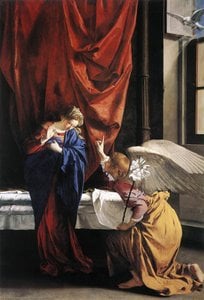
The Annunciation

Explore Scipione Pulzone’s Baroque ‘Annunciation’ (1587). A dramatic oil painting featuring Mary & Gabriel, rich detail, and symbolic elements. Discover this masterpiece of Italian art.

Scipione Pulzone (1544-1598): Maestro del Renacimiento napolitano reconocido por sus detallados retratos de la nobleza y el arte religioso de la Contrarreforma. ¡Explora su estilo único!

Giclée / Impresión de arte

Impresiones giclée o en lienzo de calidad de museo con producción rápida y opciones de acabado flexibles. ( Encargar reproducción pintada a mano Ver versión en imagen digital)

P118B $10
P118H $10
P118W $10
P438Z $10
P508JH $12
P508YH $12
P805H $10
P805Z $10
P919BZ $10
P919G $10
P919XJ $10
P959ZH $10
P968JZ $12
W106C $8
W218G $10
W218JH $8
W218Y $10
W307PJ $10
W316G $10
W316PJ $8
W316Y $10
W398PJ $8
W4111J $10
W500HY $15
W500JH $15
W692G $12
W849H $8
W940BG $15
W953PJ $8

Estándar
personalizado
CM
INCH

Elija entre nuestros tamaños predefinidos que respetan las proporciones originales de la obra.

ancho
altura

Puede introducir sus propias dimensiones para adaptarse a un marco o espacio específico. Si el tamaño seleccionado no coincide con las proporciones de la imagen original, recortaremos la obra de arte o extenderemos la imagen con un borde con efecto espejo o de color sólido. Se enviará una maqueta digital para su aprobación antes de que comience la producción.
Tenga en cuenta que la vista previa en pantalla no refleja el recorte o la extensión real. Solo la maqueta mostrará con precisión la composición final.
Aunque existen tamaños personalizados, recomendamos seleccionar una dimensión de la lista predefinida para preservar las proporciones originales.

Envío a todo el mundo () en 2 semanas en lugar de las 4/5 semanas estándar. (22 septiembre)

why_choose_icon
Envío exprés gratuito a todo el mundo
why_choose_icon
Lienzo de lino de alta calidad
why_choose_icon
Seguro de envío completo
why_choose_icon
Garantía de reembolso de impuestos aduaneros
why_choose_icon
Garantía de fidelidad cromática exacta
why_choose_icon
Política de devolución de 100 días (solo por defectos)
why_choose_icon
Garantía de devolución del 100% del dinero
why_choose_icon
Oferta por volumen

Precio total

$ 68

reproduction

The Annunciation

Giclée / Impresión de arte

Tamaño de la reproducción

-

Precio total

$ 68

Datos clave

  • Subject or theme: Religious narrative
  • Location: Private Collection
  • Title: The Annunciation
  • Year: 1587
  • Medium: Oil on panel
  • Artistic style: Detailed realism
  • Influences: Italian Renaissance

A Celestial Encounter in Oil and Light

In the quiet, hallowed stillness of Scipione Pulzone’s 1587 masterpiece, The Annunciation, time seems to suspend itself. This profound work captures the precise, breathless moment when the Archangel Gabriel descends to deliver a divine decree to the Virgin Mary. It is not merely a depiction of a biblical event, but a carefully orchestrated visual drama that invites the viewer into a sacred dialogue. As your eyes wander through the composition, you encounter the tender presence of a young John the Baptist, whose excited gestures toward a blossoming lily serve as a poignant reminder of the life and purity about to unfold. The painting breathes with a sense of spiritual immediacy, pulling the observer into an intimate interior space where the earthly and the divine intersect through a soft, ethereal glow.

The technical brilliance of Pulzone lies in his ability to move beyond the artificiality of Mannerism toward a refined, luminous realism. Utilizing oil on canvas, the artist employs meticulous brushwork to sculpt the figures with anatomical precision and a palpable sense of volume. One cannot help but be captivated by the dramatic chiaroscuro—the masterful interplay of light and shadow that defines the scene. A celestial light source, seemingly emanating from an unseen heaven, bathes the central figures in a radiant warmth, creating a halo effect around the dove of the Holy Spirit. This light does more than illuminate; it sanctifies, casting deep, velvety shadows into the recesses of the room and highlighting the rich textures of flowing fabrics and smooth skin, making the scene feel both monumental and deeply human.

Symbolism and the Soul of the Counter-Reformation

To understand this painting is to understand the heartbeat of the late Renaissance and the dawn of the Baroque era. Created in the wake of the Council of Trent, Pulzone’s work embodies the Counter-Reformation's mission: to use art as a vessel for intense religious devotion and emotional resonance. Every element within the frame is heavy with symbolic meaning, designed to inspire awe and contemplation in the faithful. The lily, held or gestured toward, stands as an eternal emblem of Mary’s purity, while the dove descending through the light represents the divine presence of the Holy Spirit. These symbols are not merely decorative; they are the theological anchors that ground the viewer's emotional response in a sense of profound grace and salvation.

For the discerning collector or interior designer, The Annunciation offers more than just historical significance; it provides a centerpiece of unparalleled emotional depth. The painting’s vertical orientation and balanced composition make it an exquisite addition to a space that seeks to evoke tranquility, dignity, and intellectual curiosity. Whether placed in a grand gallery or a quiet study, the rich palette of deep blues and vibrant reds, contrasted against the dramatic shadows, creates a focal point that commands attention while fostering a meditative atmosphere. Owning a high-quality reproduction of this Baroque treasure allows one to bring a piece of Italy's spiritual and artistic heritage into the modern home, transforming any environment into a sanctuary of beauty and light.


Biografía del artista

Scipione Pulzone: Vida y Legado

Primeros Años y Formación

Scipione Pulzone (1544 – 1 de febrero de 1598), también conocido como Il Gaetano, fue un destacado pintor napolitano del tardío Renacimiento italiano. Nacido en Gaeta alrededor de 1550, comenzó su viaje artístico dentro del taller de Jacopino del Conte en Roma. Esta formación fundamental resultó crucial para su desarrollo, moldeando su estilo temprano y brindándole acceso a la vibrante escena artística romana.

Desarrollo Artístico y Estilo

La obra de Pulzone se distinguió de las tendencias maneristas predominantes de su tiempo. Desarrolló un enfoque refinado y detallado, caracterizado por una representación precisa y un énfasis en el naturalismo. Si bien estuvo influenciado por maestros anteriores, forjó un estilo único que combinaba elegancia con fervor religioso – particularmente relevante durante el período de la Contrarreforma.

  • Sus retratos son notables por su meticuloso detalle e insight psicológico.
  • Las pinturas religiosas a menudo presentan composiciones dramáticas y figuras emotivas.
  • Equilibró hábilmente los ideales renacentistas con las sensibilidades emergentes del Barroco.

Obras Maestras y Logros

La carrera de Pulzone abarcó Nápoles, Florencia y Roma, dando como resultado un cuerpo diverso de obras. Algunos de sus logros más significativos incluyen:

  • Retratos de Personajes Ilustres: Pintó retratos de Papa Gregorio XIII, Cardenal de' Medici, Francesco I de’ Medici, Gran Duque de Toscana, y sus esposas, Eleanor y Marie de’ Medici.
  • Comisiones Religiosas: Obras religiosas notables incluyen la “Asunción con los Apóstoles” para San Silvestro al Quirinale, una “Piedad” para la iglesia del Gesù, y una “Crucifixión” para Santa Maria in Vallicella.
  • Mater Divinae Providentiae (alrededor de 1580): Esta pintura es particularmente significativa ya que inspiró el culto devocional romano a Nuestra Señora de la Providencia.

Influencias y Legado

El desarrollo artístico de Pulzone fue moldeado por varias influencias clave:

  • Jacopino del Conte: Su maestro inicial, proporcionando una sólida base en técnica y composición.
  • Girolamo Siciolante da Sermoneta: Una influencia significativa en sus pinturas religiosas, particularmente en términos de estilo compositivo e intensidad emocional.

El legado de Pulzone reside en su capacidad para sintetizar los ideales renacentistas con el panorama artístico en evolución del siglo XVI tardío. Fue uno de los artistas más estimados activos en Roma durante este período, dejando atrás un cuerpo de trabajo que continúa siendo admirado por su habilidad técnica y poder expresivo.

Significado Histórico

Scipione Pulzone’s arte refleja el clima religioso y político de la Contrarreforma. Sus pinturas detalladas y emocionalmente resonantes sirvieron como poderosas herramientas para transmitir la doctrina católica e inspirar devoción. Él navegó con éxito las demandas artísticas tanto de cortes seculares como de la Iglesia, estableciéndose como un artista versátil y muy solicitado.

Scipione Pulzone

Scipione Pulzone

1550 - 1598 , Italia

Datos clave

  • Artistic Movement Or Style: Late Italian Renaissance
  • Artists Who Influenced This Artist:
    • Jacopino del Conte
    • Girolamo Siciolante da Sermoneta
  • Date Of Birth: c. 1550
  • Date Of Death: Feb. 1, 1598
  • Full Name: Scipione Pulzone
  • Nationality: Italian
  • Notable Artworks:
    • Assumption with the Apostles
    • Pietà
    • Crucifixion
  • Place Of Birth: Gaeta, Italia