x
Ver en contextoVer en contexto Vista previa en RAVista previa en RA Comprar impresión Comprar impresiónComprar pintura hecha a mano Comprar pintura hecha a mano EnviarEnviar
DetallesDetalles Añadir a favoritos Añadir a favoritos DescargarDescargar SimilaresSimilares RadiografíaRadiografía Presentación de diapositivasPresentación de diapositivas

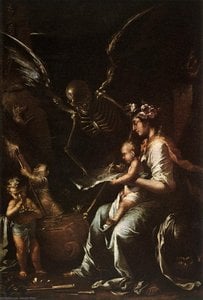
Heroic Battle

Witness the dramatic "Heroic Battle" by Salvator Rosa! This Baroque masterpiece captures intense combat with vibrant detail and historical power. Explore this iconic painting's story & legacy.

Descubre a Salvator Rosa (1615-1673), pintor barroco italiano rebelde y visionario. Paisajes dramáticos, temas filosóficos e influencia en artistas como Luca Giordano. ¡Explora sus obras maestras!

Adquiera una imagen digital de alta resolución y optimizada, muy superior a la vista previa en línea.

Cada archivo es preparado meticulosamente por nuestros especialistas internos mediante el uso de herramientas avanzadas y un experto retoque manual. Nos aseguramos de que cada imagen posea una claridad excepcional, una precisión cromática impecable y un detalle minucioso.

El archivo final se entrega por correo electrónico en un plazo de 72 horas, optimizado para su uso inmediato en entornos profesionales, editoriales y de impresión. Esta es la misma calidad en la que confían los estudios de diseño, las editoriales y las galerías de primer nivel.

Imagen Digital

Descarga un archivo de alta resolución para exhibición personal, impresión y proyectos creativos. (Comprar impresión Comprar impresiónComprar pintura hecha a mano Comprar pintura hecha a mano)

Precio total

$ 24,90

Incluido en cada pedido de imágenes digitales

Entrega digital experta, garantizada.

Al elegir WahooArt.com, no solo está adquiriendo una imagen; está recibiendo una obra de arte digital mejorada profesionalmente, elaborada con precisión y respaldada por una garantía de satisfacción. Esto es todo lo que incluye su pedido, automáticamente:

shipping_icon
Entrega rápida por email

Recibirá su archivo de imagen digital en alta resolución por correo electrónico en un plazo de 72 horas tras realizar su pedido, listo para su uso inmediato.

canvas_icon
Archivo digital optimizado por IA

Su obra de arte se optimiza profesionalmente mediante herramientas avanzadas de IA y edición manual, garantizando el máximo detalle, claridad y precisión cromática.

insurance_icon
Reenvío gratuito de por vida

¿Has borrado o perdido tu archivo por error? No te preocupes: te lo volveremos a enviar en cualquier momento, sin coste adicional.

tax_icon
Sin gastos de importación, siempre

Disfrute de su obra de arte al instante sin aduanas, aranceles ni gastos de envío; las descargas digitales siempre están libres de impuestos.

color_icon
Garantía de fidelidad de color

Garantizamos que su imagen digital refleje los colores originales con la mayor fidelidad posible, mediante el uso de herramientas profesionales y gestión del color.

return_icon
Garantía de satisfacción de 60 días

Si no está satisfecho con su imagen digital, la revisaremos o le reembolsaremos el 100% en un plazo de 60 días, sin preguntas.

guarantee_icon
100% Garantía de devolución de dinero

¿No está satisfecho? Obtenga un reembolso completo dentro de los 60 días posteriores a la recepción de su archivo digital, sin necesidad de explicaciones.

discount_icon
Descuentos por pedidos grandes

Compra 3 imágenes, ahorra 10% - Compra 5, ahorra 15% - Compra 10+, ahorra 20%. Ideal para proyectos creativos, galerías y agencias.

Datos clave

  • Title: Heroic Battle
  • Artist: Salvator Rosa
  • Dimensions: 214 x 351 cm
  • Subject or theme: Battle scene
  • Influences:
    • Ribera
    • Poussin
  • Notable elements: Dramatic action, chaos
  • Location: Musée du Louvre, Paris

Test de arte

Cada pregunta tiene una única respuesta correcta.

Pregunta 1:
What historical period is most closely associated with Salvator Rosa’s ‘Heroic Battle’?
Pregunta 2:
According to the description, what is a prominent feature of ‘Heroic Battle’ that contributes to its dramatic effect?
Pregunta 3:
In ‘Heroic Battle’, what architectural element is depicted in the background, adding a sense of antiquity?
Pregunta 4:
What is the approximate size of ‘Heroic Battle’?
Pregunta 5:
Salvator Rosa is known for his paintings that often depicted what?

A Symphony of Chaos and Courage: Exploring Salvator Rosa’s “Heroic Battle”

Salvator Rosa's "Heroic Battle," painted in 1652, isn't merely a depiction of warfare; it’s a visceral plunge into the heart of conflict—a brutal ballet of desperation and fleeting glory. Born amidst the tumultuous backdrop of Naples during the Baroque era, Rosa was a painter who deliberately defied convention, forging his own path through a world increasingly defined by rigid rules. This painting, housed within the hallowed halls of the Louvre in Paris, embodies that rebellious spirit, offering a raw and unflinching portrayal of a clash far removed from idealized heroic narratives.

The scene explodes with dynamic energy. Rosa masterfully employs the techniques characteristic of the Baroque – dramatic chiaroscuro, intense color contrasts, and a swirling composition—to capture the frenzied chaos of battle. The eye is immediately drawn to the central figures locked in hand-to-hand combat, their faces contorted in expressions of savage determination. Notice how Rosa doesn’t shy away from depicting the gruesome reality of war: exposed wounds, shattered armor, and the sheer physicality of the struggle are all rendered with startling realism. The artist's use of loose brushstrokes and a vibrant palette—deep reds, ochres, and blues—creates a sense of immediacy, as if we’re witnessing the battle unfold before our very eyes.

A Historical Echo: Contextualizing the Baroque Battlefield

To understand “Heroic Battle,” it's crucial to recognize the historical context in which it was created. The mid-17th century witnessed a surge of interest in portraying historical and mythological events, often imbued with moral or political messages. Rosa’s work reflects this trend, drawing inspiration from classical antiquity while simultaneously engaging with contemporary conflicts—specifically, the Italian Wars and the Thirty Years' War. The painting isn’t simply a record of a specific battle; it’s an allegorical exploration of human conflict itself – a meditation on courage, brutality, and the inevitable cost of war.

Rosa’s choice to depict a nameless, generalized “battle” rather than a specific historical event is significant. He deliberately avoids glorifying any particular side or outcome, instead focusing on the universal experience of violence. The imposing mountain range in the background, and the ancient ruins that stand as silent witnesses to centuries of conflict, further emphasize this theme—a reminder of humanity’s enduring struggle against both external enemies and its own internal demons.

Symbolism Woven into the Canvas: Interpreting the Details

Beyond the immediate depiction of combat, “Heroic Battle” is rich in symbolic detail. The presence of the ancient temple or ruins suggests a timelessness to the conflict—a sense that war has always been a recurring feature of human history. The figures themselves are not presented as idealized heroes; they’re ordinary men caught in extraordinary circumstances, driven by instinct and desperation. Even the lighting plays a symbolic role, with dramatic highlights drawing attention to key moments of action while casting other areas into shadow—a visual representation of the uncertainty and danger inherent in war.

The painting's scale – 214 x 351 cm – allows Rosa to meticulously detail every aspect of the scene, from the individual soldiers’ expressions to the vastness of the landscape. The artist’s masterful use of light and shadow creates a powerful sense of depth and drama, drawing the viewer into the heart of the battle. It's a testament to Rosa’s skill that he manages to convey such intense emotion and visceral experience within a single canvas.

A Legacy Endures: The Power of “Heroic Battle”

Salvator Rosa’s "Heroic Battle" remains a compelling work of art, captivating viewers with its raw energy, dramatic composition, and profound exploration of human conflict. It's a painting that demands attention—a reminder of the brutality of war while simultaneously celebrating the courage and resilience of those who fight within it. Reproductions of this masterpiece offer an opportunity to bring this powerful image into your home or office, serving as a poignant reflection on history, humanity, and the enduring nature of struggle.


Biografía del artista

Vida temprana y formación

Salvator Rosa, pintor barroco italiano, poeta e grabador, nació en Arenella, Nápoles, el 20 de junio o el 21 de julio de 1615. Su madre, Giulia Greca Rosa, pertenecía a una de las familias griegas de Sicilia. A pesar de los deseos de su padre de que se convirtiera en abogado o sacerdote, Salvator demostró una preferencia por las artes desde temprana edad.

Trayectoria artística

La carrera artística de Salvator Rosa se caracterizó por su estilo poco ortodoxo y extravagante, lo que lo diferenciaba de sus contemporáneos. Estuvo activo en Nápoles, Roma y Florencia, y su obra estuvo influenciada por el naturalismo de Ribera y el clasicismo de Poussin. Sin embargo, se negó a ser atado por ningún estilo o movimiento particular.
  • Pitágoras emergiendo del inframundo (Museo de Arte Kimball, Fort Worth, Estados Unidos), una de sus obras más famosas, muestra su mezcla única de temas filosóficos y artísticos.
  • Su obra El bautismo del eunuco (Museo de Arte Chrysler, Norfolk, Estados Unidos) demuestra su capacidad para infundir un alto dramatismo incluso en historias bíblicas menores.

Influencias y legado

La obra de Salvator Rosa tuvo un impacto significativo en el desarrollo del arte barroco. Su influencia puede verse en las obras de artistas posteriores, como Luca Giordano, que continuó superando los límites de la expresión artística.Enlaces importantes: Perfil de Salvator Rosa en WahooArt Wikipedia: Salvator Rosa Pitágoras emergiendo del inframundo en WahooArt

Desarrollo y logros importantes

Rosa se distinguió por su enfoque único de los paisajes, a menudo representando escenas salvajes e indómitas que contrastaban con las vistas clásicas idealizadas de artistas como Claude Lorrain. Sus obras no solo mostraban la naturaleza en su estado más crudo, sino que también exploraban temas filosóficos y morales. Aunque sus habilidades técnicas a veces fueron criticadas, su originalidad e innovación artística eran innegables. Su capacidad para combinar elementos de la historia, la mitología y la filosofía en sus pinturas lo convirtió en una figura singular dentro del arte barroco.

Significado histórico

La vida y obra de Salvator Rosa continúan fascinando a los amantes del arte e historiadores por igual. Su estilo poco ortodoxo y su rebelión perpetua contra las normas de su tiempo han cimentado su lugar en la historia del arte barroco. Se le considera un precursor del movimiento romántico, influyendo en artistas posteriores con su visión apasionada y dramática de la naturaleza y la condición humana. El Museo de Arte Kimball y el Museo de Arte Chrysler son instituciones que albergan importantes obras de Rosa.
Salvador Rosa

Salvador Rosa

1615 - 1673 , Italia

Breves datos

  • Artistas Que Influyeron:
    • Ribera
    • Poussin
  • Estilo Artístico: Barroco
  • Fecha De Muerte: 15 de marzo de 1673
  • Fecha De Nacimiento: 20 o 21 de junio de 1615
  • Influencia En Artistas: ['Luca Giordano']
  • Lugar De Nacimiento: Arenella, Italia
  • Nacionalidad: Italiana
  • Nombre Completo: Salvator Rosa
  • Obras Notables:
    • Pitágoras emergiendo del inframundo
    • El bautismo del eunuco