Ver en contexto Vista previa en RA Comprar pintura hecha a mano Cambiar a imagen digital Enviar
Detalles Guía Añadir a favoritos Descargar Similares Radiografía Presentación de diapositivas Q&A Estadísticas

LE MENDIANT

Experience the muted dignity of Jan Miel's Baroque genre scene, Le Mendiant, capturing 17th-century life with subtle tonal mastery; discover this masterpiece today.

Jan Miel fue pintor flamenco activo en Italia, reconocido por sus escenas de género bamboccianti y posteriormente por pinturas históricas clásicasizantes. Pintor cortesano de Carlos Emanuel II, Duque de Saboya.

Giclée / Impresión de arte

Impresiones giclée o en lienzo de calidad de museo con producción rápida y opciones de acabado flexibles. ( Comprar pintura hecha a mano Cambiar a imagen digital)

Corner sample of the P118B picture frame: poliestireno moldeado, 5 cm wide and 3 cm thick
P118B €10
Corner sample of the P118H picture frame: poliestireno moldeado, 5 cm wide and 3 cm thick
P118H €10
Corner sample of the P118W picture frame: poliestireno moldeado, 5 cm wide and 3 cm thick
P118W €10
Corner sample of the P438Z picture frame: poliestireno moldeado, 5.5 cm wide and 3.5 cm thick
P438Z €10
Corner sample of the P508JH picture frame: poliestireno moldeado, 7 cm wide and 3.5 cm thick
P508JH €12
Corner sample of the P508YH picture frame: poliestireno moldeado, 7 cm wide and 3.5 cm thick
P508YH €12
Corner sample of the P805H picture frame: poliestireno moldeado, 5 cm wide and 3.5 cm thick
P805H €10
Corner sample of the P805Z picture frame: poliestireno moldeado, 5 cm wide and 3.5 cm thick
P805Z €10
Corner sample of the P919BZ picture frame: poliestireno moldeado, 7 cm wide and 3.5 cm thick
P919BZ €10
Corner sample of the P919G picture frame: poliestireno moldeado, 7 cm wide and 3.5 cm thick
P919G €10
Corner sample of the P919XJ picture frame: poliestireno moldeado, 7 cm wide and 3.5 cm thick
P919XJ €10
Corner sample of the P959ZH picture frame: poliestireno moldeado, 5 cm wide and 3 cm thick
P959ZH €10
Corner sample of the P968JZ picture frame: poliestireno moldeado, 6 cm wide and 4 cm thick
P968JZ €12
Corner sample of the W106C picture frame: madera maciza, 5 cm wide and 3 cm thick
W106C €8
Corner sample of the W218G picture frame: madera maciza, 5 cm wide and 3 cm thick
W218G €10
Corner sample of the W218JH picture frame: madera maciza, 5 cm wide and 3 cm thick
W218JH €8
Corner sample of the W218Y picture frame: madera maciza, 5 cm wide and 3 cm thick
W218Y €10
Corner sample of the W307PJ picture frame: madera maciza, 6 cm wide and 3 cm thick
W307PJ €10
Corner sample of the W316G picture frame: madera maciza, 6 cm wide and 3 cm thick
W316G €10
Corner sample of the W316PJ picture frame: madera maciza, 6 cm wide and 3 cm thick
W316PJ €8
Corner sample of the W316Y picture frame: madera maciza, 6 cm wide and 3 cm thick
W316Y €10
Corner sample of the W398PJ picture frame: madera maciza, 5 cm wide and 3 cm thick
W398PJ €8
Corner sample of the W4111J picture frame: madera maciza, 6.5 cm wide and 3.5 cm thick
W4111J €10
Corner sample of the W500HY picture frame: madera maciza, 7 cm wide and 5 cm thick
W500HY €15
Corner sample of the W500JH picture frame: madera maciza, 7 cm wide and 5 cm thick
W500JH €15
Corner sample of the W692G picture frame: madera maciza, 8 cm wide and 4 cm thick
W692G €12
Corner sample of the W849H picture frame: madera maciza, 5 cm wide and 3 cm thick
W849H €8
Corner sample of the W940BG picture frame: madera maciza, 7.5 cm wide and 4.5 cm thick
W940BG €15
Corner sample of the W953PJ picture frame: madera maciza, 6 cm wide and 3.5 cm thick
W953PJ €8

Tamaño estándar
a medida
CM
INCH

Elija entre nuestros tamaños predefinidos que respetan las proporciones originales de la obra.

ancho
altura

Introduzca el ancho y el alto que necesite para adaptarse a su marco o pared. Una impresión solo puede recortarse, nunca hacerse más grande que la imagen original, por lo que un tamaño con una forma distinta perderá parte de la obra. Le enviaremos una maqueta digital para su aprobación antes de realizar cualquier impresión. La imagen que se muestra en esta página no refleja el recorte real; solo la maqueta lo hace.

Envío a todo el mundo () en 2 semanas en lugar de las 4/5 semanas estándar. (30 octubre)

Envío exprés gratuito a todo el mundo
Lienzo de lino de alta calidad
Seguro de envío total
Garantía de reembolso de aranceles aduaneros
Garantía de fidelidad cromática exacta
Política de devolución de 100 días (solo por defectos)
Garantía de devolución del 100% del dinero
Descuento por cantidad

Precio total

€ 60

LE MENDIANT

Giclée / Impresión de arte

Dimensiones de la reproducción

-

Precio total final

€ 60

Datos clave

  • Location: Louvre, Paris
  • Medium: Oil on metal
  • Title: Le Mendiant
  • Subject or theme: Social interaction & poverty
  • Artistic style: Genre painting
  • Movement: Dutch Golden Age

Test de conocimientos artísticos

Cada pregunta tiene una única respuesta correcta.

Pregunta 1:
What artistic period is the painting 'Le Mendiant' associated with?
Pregunta 2:
Which city heavily influenced Jan Miel's style, leading to the blend of Flemish and Italian aesthetics?
Pregunta 3:
What is a key characteristic of the color palette used in 'Le Mendiant' that contributes to its mood?
Pregunta 4:
The genre of painting depicted in 'Le Mendiant' is best described as:
Pregunta 5:
What technique did Jan Miel favor to sculpt form and delineate contours in this work?

Jan Miel’s “Le Mendiant”: A Window Into Baroque Dignity Amidst Poverty

The artwork "Le Mendiant," attributed to Jan Miel (1599 – 1663), stands as a poignant testament to the artistic spirit of the Dutch Golden Age and its engagement with broader humanist concerns. Painted circa 1630, this genre scene—a hallmark of Miel’s oeuvre during his formative years in Rome—captures a moment of quiet contemplation within a bustling tavern interior, offering viewers an arresting glimpse into both social realities and artistic sophistication.

Composition and Style: Baroque Restraint Within Classical Framework

Miel's stylistic approach skillfully blends influences from Flemish masters like Anthony van Dyck with the burgeoning grandeur of Italian Baroque aesthetics. The horizontal orientation of the canvas immediately establishes a sense of stability, mirroring the formal balance characteristic of Baroque compositions. However, unlike the opulent theatricality often associated with Rome at the time, Miel employs subtle tonal gradations and muted colors—primarily grayscale—to convey an atmosphere of understated dignity. This deliberate restraint serves to heighten the emotional impact of the depicted scene: a beggar humbly requesting alms amidst a group of patrons engaged in conversation. The artist’s meticulous attention to detail—evident in the rendering of textures, particularly on the tavern table and the livestock visible in the background—underscores Miel's commitment to realism while simultaneously grounding the image within a broader artistic tradition.

Detailed Examination: Technique and Materials

The painting utilizes oil paint on canvas with considerable skill. Brushstrokes are perceptible but carefully blended, creating a smooth surface that enhances the illusion of depth and luminosity despite the absence of vibrant hues. Layers of tonal variation—a technique favored by Miel—are skillfully applied to sculpt form and delineate contours, capturing the nuances of light and shadow within the tavern setting. The artist’s meticulous observation of natural forms—reflected in the depiction of the cows and sheep—demonstrates a profound understanding of classical principles of perspective and anatomical accuracy.

Historical Context: Rome and Beyond – Miel's Artistic Journey

Jan Miel’s artistic development unfolded primarily in Rome during the 1630s, where he honed his craft under the patronage of Charles Emanuel II, Duke of Savoy—a connection that cemented his reputation as a court artist. This period witnessed a significant shift towards classicizing tendencies within Miel's oeuvre, mirroring the broader cultural revival occurring across Europe. The artwork’s subject matter – depicting poverty alongside social interaction – speaks to the humanist ideals prevalent during the Baroque era, reflecting an interest in portraying human experience with compassion and intellectual rigor.

Symbolism: Dignity Amidst Adversity

“Le Mendiant” transcends mere visual representation; it embodies a deeper symbolic resonance. The beggar’s posture—characterized by humility and supplication—serves as a poignant reminder of the vulnerability inherent within the human condition. Simultaneously, the gathering of people around the table symbolizes communal life and social responsibility. The inclusion of livestock reinforces the artwork's connection to rural existence and underscores its engagement with themes of moral contemplation. Ultimately, Miel’s masterpiece invites viewers to consider not only the aesthetic beauty of the scene but also its profound ethical implications—a testament to the enduring power of art to illuminate both the grandeur and fragility of human experience.
  • Artist: Jan Miel
  • Birth Year: 1599
  • Death Year: 1663
  • Birth City: Beveren
  • Birth Country: Belgium

Additional Resources:

LE MENDIANT – Louvre site des collections LE MENDIANT

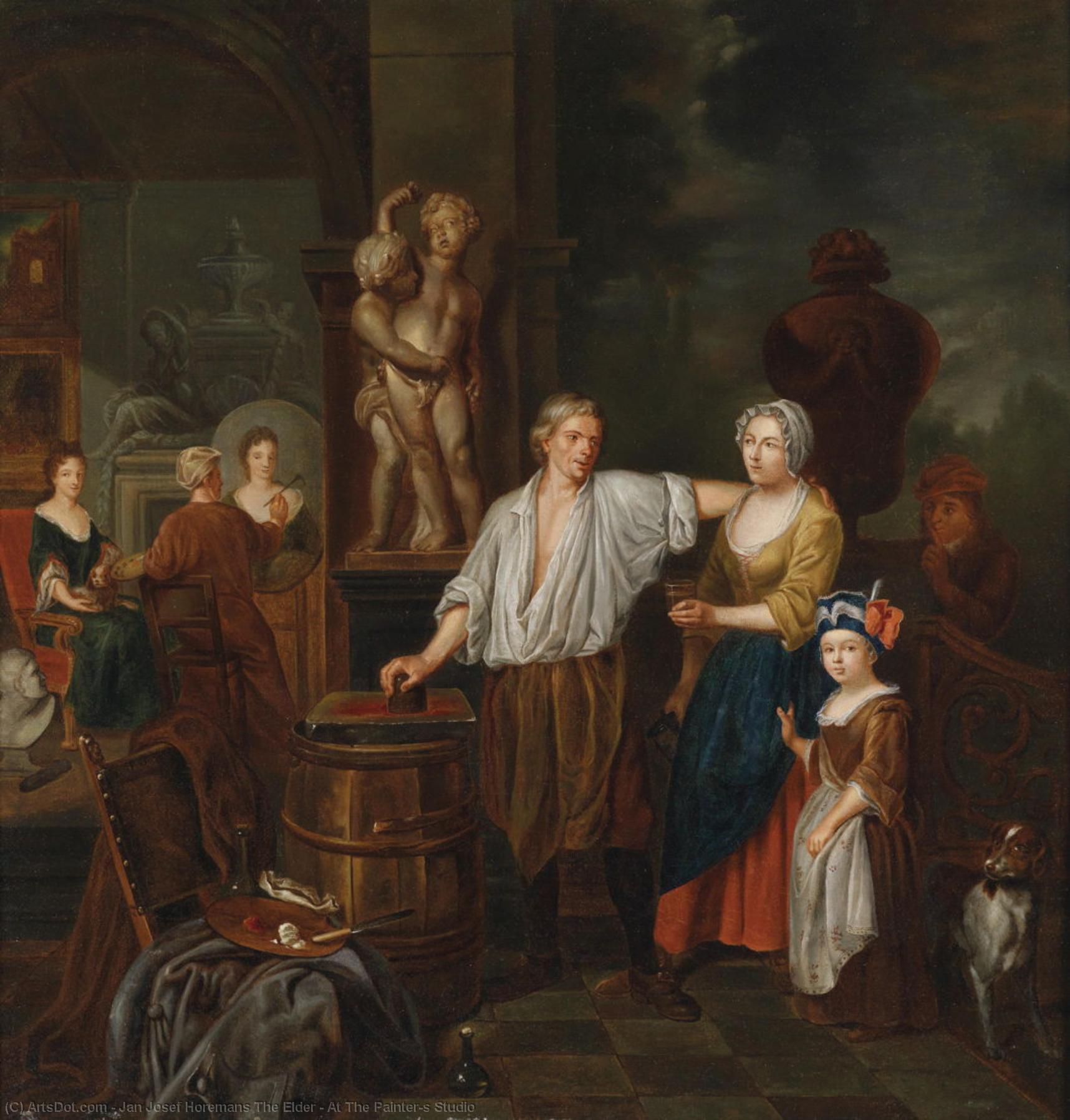
jan josef horemans the elder – Belgian painter (1682-1759) known for detailed interiors & anatomical precision.jan josef horemans the elder
jan le ducq – Explore the captivating landscapes & animal paintings of Jan Le Ducq, a Dutch master known for his dog portraits.jan le ducq

Jan Miel – Cavaliere della Vita, (Anvers, 1599 - Turin, 1663) Court artist to Charles Emanuel II, Duke of Savoy.Jan Miel

Louvre, Paris, France – INV 1447 and MR 816 (Department of Paintings)Louvre Cartel

File:Jan Miel - The beggar.JPG – Wikimedia Commons File:Jan Miel - The beggar.JPG

Louvre Cartel – Foucart, Jacques, Catalogue des peintures flamandes et hollandaises du musée du Louvre, Gallimard / Louvre éditions, 2009, p. 182, ill. n&bCatalogue des peintures flamandes et hollandaises

Preguntas y respuestas

¿Qué orientación tiene "LE MENDIANT" de Jan Miel?

El formato de "LE MENDIANT" es Panoramic, un dato útil para planificar la ubicación de una reproducción.

¿Cuál es la atmósfera general de "LE MENDIANT" de Jan Miel?

El ambiente general de "LE MENDIANT" de Jan Miel es Calm. Esta atmósfera describe la esencia de la obra.

¿"LE MENDIANT" de Jan Miel utiliza contrastes fuertes o armonías suaves?

La composición cromática de "LE MENDIANT" de Jan Miel combina un contraste Balanced con una armonía Unified Palette.


Biografía del artista

Jan Miel: El puente entre el realismo flamenco y la grandeza barroca

Jan Miel (1599–1663) se erige como una figura fundamental en el panorama artístico del siglo XVII, encarnando la fascinante confluencia entre la tradición flamenca y la innovación italiana. Nacido en Beveren, Bélgica —aunque Amberes y 's-Hertogenbosch siguen siendo candidatos para su lugar de nacimiento—, los primeros años de Miel permanecen envueltos en una relativa oscuridad, dejando escasos detalles biográficos. Sin embargo, lo que emerge de la investigación académica es un viaje artístico extraordinario, marcado por una evolución estilística y esfuerzos colaborativos que consolidaron su lugar dentro del vibrante entorno cultural de Roma y Turín.

Sus años formativos transcurrieron perfeccionando su oficio principalmente en Amberes, donde absorbió las influencias de destacados maestros flamencos como Anthony van Dyck. Si bien el alcance preciso de su formación sigue siendo esquivo, sin duda le inculcó un aprecio por la observación meticulosa y una técnica refinada, cualidades que caracterizarían gran parte de su obra posterior. Esta base fundamental en el dibujo clásico y el retrato le proporcionó las herramientas esenciales para una carrera que, con el tiempo, trascendería las fronteras regionales.

La transformación romana y el espíritu de los Bamboccianti

La llegada de Miel a Roma hacia 1636 marcó un momento transformador en su trayectoria artística. Se unió rápidamente a los Bentvueghels, una influyente asociación de artistas holandeses y flamencos residentes en la Ciudad Eterna. Dentro de esta hermandad, adoptó el memorable apodo de ‘bieco’, un sobrenombre que reflejaba su distintiva mirada entrecerrada, una característica que se convertiría en sinónimo de su personalidad artística. Esta afiliación fomentó conexiones profundas dentro de una comunidad artística más amplia, profundamente impactada por el estilo Bamboccianti de Pieter van Laer.

Este movimiento se dedicaba a representar escenas de la vida cotidiana entre las clases bajas de Roma y sus alrededores, alejándose de la grandeza idealizada del arte del Alto Renacimiento en favor de algo mucho más visceral e inmediato. Miel abrazó esta tendencia con todo su corazón, produciendo cautivadoras pinturas de género que capturaban el espíritu de la existencia urbana con un realismo y una sensibilidad notables. Sus obras solían presentar:

  • Escenas callejeras llenas de vida, habitadas por viajeros, mercader de y trabajadores.
  • Un uso magistral de la luz para evocar la atmósfera polvorienta y bañada por el sol de los callejones romanos.
  • El sutil juego de las emociones humanas dentro de entornos multitudinarios y caóticos.
  • Una atención meticulosa a las texturas de la tela, la piedra y la tierra.

Evolución hacia el clasicismo y la grandeza cortesana

A medida que su carrera progresaba, la visión artística de Miel experimentó una metamorfosis significativa. Aunque siguió siendo un maestro de la escena de género, comenzó a alejarse del realismo crudo de los Bamboccianti hacia pinturas históricas más clasicistas. Este cambio reflejaba una tendencia más amplia en el arte europeo, donde la energía pura del Barroco era cada vez más templada por un deseo de orden, nobleza y alegoría clásica.

Esta evolución lo condujo finalmente a nombramientos prestigiosos, destacando especialmente su labor como pintor de la corte de Carlos Emanuel II, Duque de Saboya. Al servicio de la corte de Turín, la obra de Miel adquirió un carácter más formal y magnífico. La intimidad de sus primeras escenas romanas dio paso a composiciones de mayor escala y complejidad, diseñadas para reflejar el poder y el prestigio de su patrón real. Este periodo representa la cúspide de su logro profesional, donde sus raíces flamencas en el detalle se encontraron con las grandes y envolventes narrativas exigidas por la aristocracia europea.

La importancia histórica de Jan Miel reside en su capacidad para navegar entre estos mundos dispares. Fue un artista capaz de hallar belleza en las humildes luchas de un niño de la calle romana y dignidad en los relatos épicos de la antigüedad. Al tender un puente entre el realismo meticuloso del Norte y el clasicismo dramático del Sur, Miel dejó una huella indeleble en el canon del siglo XVII, asegurando su legado como un verdadero cosmopolita de la era barroca.

Jan Miel

Jan Miel

1599 - 1663 , Bélgica

Datos clave

  • Artistic Movement Or Style: Bamboccianti, Clasicismo
  • Artists Or Movements Influenced By This Artist: ['Pieter van Laer']
  • Artists Who Influenced This Artist: ['Anthony van Dyck']
  • Date Of Birth: 1599 Beveren Belgium
  • Date Of Death: 1663
  • Full Name: Jan Miel
  • Nationality: Flamenco
  • Notable Artworks:
    • Paisaje con una batalla entre dos toros
    • Escenas populares romanas
  • Place Of Birth: Beveren Bélgica
Explore obras de arte organizadas por temas, estilos y características.


































