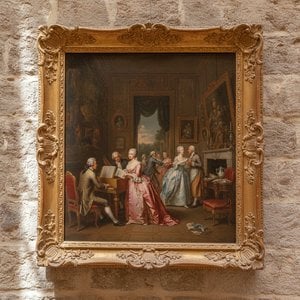
Jan Miel: El puente entre el realismo flamenco y la grandeza barroca
Jan Miel (1599–1663) se erige como una figura fundamental en el panorama artístico del siglo XVII, encarnando la fascinante confluencia entre la tradición flamenca y la innovación italiana. Nacido en Beveren, Bélgica —aunque Amberes y 's-Hertogenbosch siguen siendo candidatos para su lugar de nacimiento—, los primeros años de Miel permanecen envueltos en una relativa oscuridad, dejando escasos detalles biográficos. Sin embargo, lo que emerge de la investigación académica es un viaje artístico extraordinario, marcado por una evolución estilística y esfuerzos colaborativos que consolidaron su lugar dentro del vibrante entorno cultural de Roma y Turín.
Sus años formativos transcurrieron perfeccionando su oficio principalmente en Amberes, donde absorbió las influencias de destacados maestros flamencos como Anthony van Dyck. Si bien el alcance preciso de su formación sigue siendo esquivo, sin duda le inculcó un aprecio por la observación meticulosa y una técnica refinada, cualidades que caracterizarían gran parte de su obra posterior. Esta base fundamental en el dibujo clásico y el retrato le proporcionó las herramientas esenciales para una carrera que, con el tiempo, trascendería las fronteras regionales.
La transformación romana y el espíritu de los Bamboccianti
La llegada de Miel a Roma hacia 1636 marcó un momento transformador en su trayectoria artística. Se unió rápidamente a los Bentvueghels, una influyente asociación de artistas holandeses y flamencos residentes en la Ciudad Eterna. Dentro de esta hermandad, adoptó el memorable apodo de ‘bieco’, un sobrenombre que reflejaba su distintiva mirada entrecerrada, una característica que se convertiría en sinónimo de su personalidad artística. Esta afiliación fomentó conexiones profundas dentro de una comunidad artística más amplia, profundamente impactada por el estilo Bamboccianti de Pieter van Laer.
Este movimiento se dedicaba a representar escenas de la vida cotidiana entre las clases bajas de Roma y sus alrededores, alejándose de la grandeza idealizada del arte del Alto Renacimiento en favor de algo mucho más visceral e inmediato. Miel abrazó esta tendencia con todo su corazón, produciendo cautivadoras pinturas de género que capturaban el espíritu de la existencia urbana con un realismo y una sensibilidad notables. Sus obras solían presentar:
- Escenas callejeras llenas de vida, habitadas por viajeros, mercader de y trabajadores.
- Un uso magistral de la luz para evocar la atmósfera polvorienta y bañada por el sol de los callejones romanos.
- El sutil juego de las emociones humanas dentro de entornos multitudinarios y caóticos.
- Una atención meticulosa a las texturas de la tela, la piedra y la tierra.
Evolución hacia el clasicismo y la grandeza cortesana
A medida que su carrera progresaba, la visión artística de Miel experimentó una metamorfosis significativa. Aunque siguió siendo un maestro de la escena de género, comenzó a alejarse del realismo crudo de los Bamboccianti hacia pinturas históricas más clasicistas. Este cambio reflejaba una tendencia más amplia en el arte europeo, donde la energía pura del Barroco era cada vez más templada por un deseo de orden, nobleza y alegoría clásica.
Esta evolución lo condujo finalmente a nombramientos prestigiosos, destacando especialmente su labor como pintor de la corte de Carlos Emanuel II, Duque de Saboya. Al servicio de la corte de Turín, la obra de Miel adquirió un carácter más formal y magnífico. La intimidad de sus primeras escenas romanas dio paso a composiciones de mayor escala y complejidad, diseñadas para reflejar el poder y el prestigio de su patrón real. Este periodo representa la cúspide de su logro profesional, donde sus raíces flamencas en el detalle se encontraron con las grandes y envolventes narrativas exigidas por la aristocracia europea.
La importancia histórica de Jan Miel reside en su capacidad para navegar entre estos mundos dispares. Fue un artista capaz de hallar belleza en las humildes luchas de un niño de la calle romana y dignidad en los relatos épicos de la antigüedad. Al tender un puente entre el realismo meticuloso del Norte y el clasicismo dramático del Sur, Miel dejó una huella indeleble en el canon del siglo XVII, asegurando su legado como un verdadero cosmopolita de la era barroca.
Preguntas y respuestas
¿Qué estados de ánimo expresan las obras de Jan Miel?
La Galería de estados de ánimo de Jan Miel es una página que organiza las obras del artista según el estado de ánimo.
¿De dónde es Jan Miel?
Jan Miel nació en Bélgica.
¿Cuál es el lugar y el año de nacimiento de Jan Miel?
Jan Miel nació en Beveren en 1599.