Impresiones giclée o en lienzo de calidad de museo con producción rápida y opciones de acabado flexibles. ( Comprar pintura hecha a mano Cambiar a imagen digital)





























Elija entre nuestros tamaños predefinidos que respetan las proporciones originales de la obra.

Introduzca el ancho y el alto que necesite para adaptarse a su marco o pared. Una impresión solo puede recortarse, nunca hacerse más grande que la imagen original, por lo que un tamaño con una forma distinta perderá parte de la obra. Le enviaremos una maqueta digital para su aprobación antes de realizar cualquier impresión. La imagen que se muestra en esta página no refleja el recorte real; solo la maqueta lo hace.
Envío a todo el mundo () en 2 semanas en lugar de las 4/5 semanas estándar. (12 noviembre)
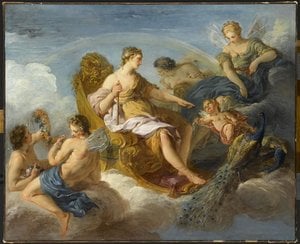
Hunting Picnic
Dimensiones de la reproducción
François Lemoyne’s “Hunting Picnic,” painted in 1723, offers a captivating glimpse into the aristocratic leisure activities of 18th-century France – a world where the pursuit of game intertwined seamlessly with refined social gatherings. Measuring an impressive 233 x 185 cm, this oil on canvas work immediately draws the viewer into a scene brimming with vibrant energy and carefully orchestrated detail. The composition centers around a horse-drawn carriage, a symbol of status and mobility, alongside a gentleman in striking red attire – a bold statement against the verdant landscape. This isn’t merely a depiction of hunting; it's an embodiment of Rococo ideals: a celebration of beauty, pleasure, and the cultivated life.
François Lemoyne was a pivotal figure in the revival of large-scale allegorical painting during the Rococo period. Influenced by the legacy of Charles Le Brun, he sought to recapture the grandeur and intellectual depth of classical art while embracing the distinctive characteristics of the Rococo style – characterized by its emphasis on elegance, frivolity, and emotional expression. “Hunting Picnic” exemplifies this ambition; it’s not simply a charming pastoral scene but a carefully constructed tableau designed to evoke feelings of pleasure, sophistication, and aristocratic privilege. Lemoyne's meticulous attention to detail, evident in the rendering of fabrics, textures, and facial expressions, demonstrates his mastery of technique and his commitment to creating works that were both visually stunning and intellectually stimulating.
Historical Context: The painting reflects the tastes of the French aristocracy during the reign of Louis XV, a period marked by lavish spending, elaborate social rituals, and a passion for outdoor pursuits. Hunting was not just a sport but a symbol of status and power, and picnics offered an opportunity to display wealth and cultivate relationships.Lemoyne’s brushwork is remarkably fluid and expressive, contributing significantly to the painting's lively atmosphere. He employs a technique known as *alla prima*, meaning “at first sight,” which involves applying paint directly to the canvas in relatively thin layers, allowing for quick changes of tone and texture. This approach results in a sense of immediacy and spontaneity that captures the dynamism of the scene. The use of color is particularly noteworthy – rich greens, blues, and reds create a vibrant palette that enhances the painting’s visual impact. The artist's skillful handling of light and shadow further adds to the depth and realism of the composition.
"Hunting Picnic" transcends a simple depiction of leisure; it is laden with symbolic meaning. The red clothing worn by the central figure, for example, could represent passion, courage, or even royalty. The horses symbolize strength and nobility, while the overall scene evokes a sense of harmony between humanity and nature. The painting’s emotional impact lies in its ability to transport the viewer to another time and place – a world of refined pleasure, social connection, and the beauty of the French countryside. This artwork is a testament to Lemoyne's artistic skill and his understanding of the cultural values of his era.
El tono dominante de "Hunting Picnic" de François Lemoyne es Amber to Saffron. Este color constituye la base cromática de la paleta.
François Lemoyne creó "Hunting Picnic" en 1723.
Con su formato Portrait, se sugiere una reproducción de "Hunting Picnic" para un Living Room.

François Lemoyne fue un prominente pintor francés del Rococó a principios y mediados del siglo XVIII. Es reconocido por sus grandiosos frescos de techos alegóricos y escenas mitológicas, contribuyendo significativamente al panorama artístico del reinado de Luis XV. Aunque a menudo eclipsado por contemporáneos como Boucher y Watteau, Lemoyne buscó establecerse como el heredero de Charles Le Brun, una figura destacada en la historia del arte francés.
François Lemoyne jugó un papel vital en la configuración de la pintura francesa del Rococó. Su ambición era revivir la tradición de los grandes frescos alegóricos de techo, que habían caído en desuso. Aunque su carrera se truncó trágicamente por el suicidio en 1737, su trabajo dejó un impacto duradero en las generaciones futuras de artistas.

1688 - 1737 , Francia

Explora las 25 obras maestras de Jean-Antoine Watteau y el Rococó. ¡Descubre toda la colección en WahooArt.com!

Descubre la fascinante estética rococó: su historia, características clave y los artistas más influyentes del siglo XVIII. Un análisis profundo para amantes del arte y coleccionistas.

Explora las 25 obras maestras de Édouard Manet y su legado impresionista. ¡Descubre toda la colección en WahooArt.com!

Explore the profound history of iconic horse paintings. From prehistoric cave art to Impressionist masterpieces, discover how artists captured equine grace. Learn about museum-quality hand-painted oil reproductions and custom commissions for the discerning collector.

Explore the rich history & techniques of impasto painting – from Renaissance masters to Van Gogh's expressive strokes. Discover how artists use texture to convey emotion and create lasting impact. Learn more!
 Ver en contexto
 Enviar
 Compartir
 Detalles
 Guía
Guía

 Descargar
 Similares
 Radiografía
 Presentación de diapositivas
 Preguntas y respuestas
 Estadísticas


 Ver más









 La opción de vidrio solo está disponible en tamaños inferiores a 110 cm.