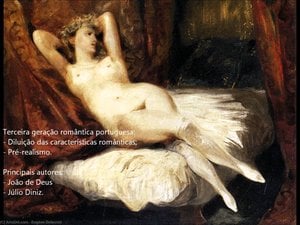
Un pincel revolucionario: La vida y el legado de Eugène Delacroix
Ferdinand Victor Eugène Delacroix, nacido en Charenton-Saint-Maurice, cerca de París, en 1798, fue mucho más que un simple pintor; fue la encarnación del espíritu ferviente del Romanticismo. Al emerger como una figura líder en el arte francés durante un período de agitación social y cambios en los ideales estéticos, Delacroix rechazó el rígido formalismo del Neoclasicismo, abrazando en su lugar el drama, la emoción y una paleta vibrante que alteraría para siempre el curso de la pintura. Su vida, aunque marcada por la tragedia personal, quedó inextricablemente ligada a su visión artística: una búsqueda por capturar lo sublime, explorar reinos exóticos y expresar el poder puro de la experiencia humana.
Los primeros años de Delacroix estuvieron marcados por una compleja historia familiar y una salud algo frágable. Al quedar huérfano a los dieciséis años, encontró guía en la influyente figura de Charles-Maurice de Talleyrand-Périgord, a quien muchos creían su verdadero padre. Este vínculo le proporcionó un mecenazgo crucial y acceso al mundo del arte parisino. Inicialmente estudió bajo la tutela de Pierre-Narcisse Guérin, un respetado pintor académico, pero fue la obra de Théodore Géricault —particularmente su monumental La balsa de la Medusa— lo que verdaderamente encendió la pasión artística de Delacroix. Incluso posó para Géricault, absorbiendo el compromiso del maestro mayor con el realismo y la intensidad emocional.
De escenas históricas a visiones exóticas
Delacroix irrumpió en la escena del Salón en 1822 con Dante y Virgilio en el Infierno, una obra que señaló de inmediato su alejamiento de las normas establecidas. Inspirada en el Infierno de Dante Alighieri, la pintura mostraba un uso audaz del color, una composición dinámica y un sentido palpable de turbulencia psicológica. Esto marcó el inicio de una carrera dedicada a explorar temas de pasión, conflicto y la condición humana. Aunque inicialmente fue recibida con reacciones mixtas —algunos críticos elogiaron su originalidad, mientras que otros descartaron su trabajo como caótico y carente de refinamiento clásico—, Delacroix perseveró, desarrollando un estilo distintivo caracterizado por pinceladas sueltas, texturas ricas y un énfasis en el movimiento.
Su fascinación se extendió más allá de los temas históricos y literarios. Un viaje fundamental al norte de África en 1832 impactó profundamente su trayectoria artística. Al sumergirse en la vibrante cultura de Marruecos, Delacroix quedó cautivado por los paisajes exóticos, el estilo de vida nómada de las tribus árabes y la intensidad de sus tradiciones. Esta experiencia infundió en sus pinturas un nuevo sentido del color, la luz y la energía, como se observa en obras como Caballos árabes luchando y numerosos estudios de la vida argelina. No se limitaba a documentar estas escenas; buscaba comprender el espíritu subyacente de una cultura vastamente diferente a la suya.
El poder del color y el compromiso político
La maestría de Delacroix con el color es, posiblemente, su legado más perdurable. Se inspiró en la exuberancia barroca de Rubens y en los maestros del Renacimiento veneciano, priorizando la intensidad cromática sobre el dibujo preciso. Comprendió que el color podía evocar emociones, crear atmasferas y transmitir significados de formas que la línea por sí sola no podía lograr. Este enfoque innovador influyó profundamente en las generaciones posteriores de artistas, allanando el camino para el Impresionismo y el Postimpresionismo.
Más allá de sus innovaciones estéticas, Delacroix fue un artista políticamente comprometido. Su obra más icónica, *La Libertad guiando al pueblo* (1830), no es simplemente una representación de la Revolución de Julio; es una poderosa alegoría de la libertad y la rebelión. La composición dinámica de la pintura, sus figuras alegóricas y su cruda fuerza emocional consolidaron su lugar en la historia del arte como un símbolo de la identidad nacional francesa y los ideales revolucionarios. No se trataba solo de documentar un evento; se trataba de capturar el espíritu de una nación que luchaba por su libertad.
Una influencia duradera
Delacroix continuó pintando profusamente a lo largo de su vida, explorando temas diversos que iban desde las tragedias shakesperianas hasta las narrativas bíblicas. También realizó importantes contribuciones como litógrafo, ilustrando obras de gigantes literarios como William Scott y Johann Wolfgang von Goethe. Su estudio se convirtió en un centro de intercambio artístico, atrayendo a pintores aspirantes que se sentían atraídos por su enfoque poco convencional.
Para el momento de su muerte en 1863, Delacroix se había establecido firmemente como uno de los más grandes artistas de Francia. Su influencia se extendió mucho más allá del movimiento romántico, moldeando el desarrollo de la pintura moderna e inspirando a innumerables artistas con su audaz uso del color, sus composiciones dinámicas y su inquebrantable compromiso con la expresión emocional. Sigue siendo una figura fundamental en la historia del arte: un testimonio del poder de la visión individual y del encanto perdurable de lo sublime.



 Ver en contexto
 Cambiar a impresiones
 Enviar
 Compartir
 Detalles
 Guía
Guía

 Descargar
 Similares
 Radiografía
 Presentación de diapositivas
 Estadísticas


 Ver más






































 La opción de vidrio solo está disponible en tamaños inferiores a 110 cm.