Asesoría de arte gratuita

x
Comprar impresión Comprar impresiónEncargar reproducción Encargar reproducción EnviarEnviar
DetallesDetalles Añadir a favoritos Añadir a favoritos DescargarDescargar SimilaresSimilares RadiografíaRadiografía Presentación de diapositivasPresentación de diapositivas

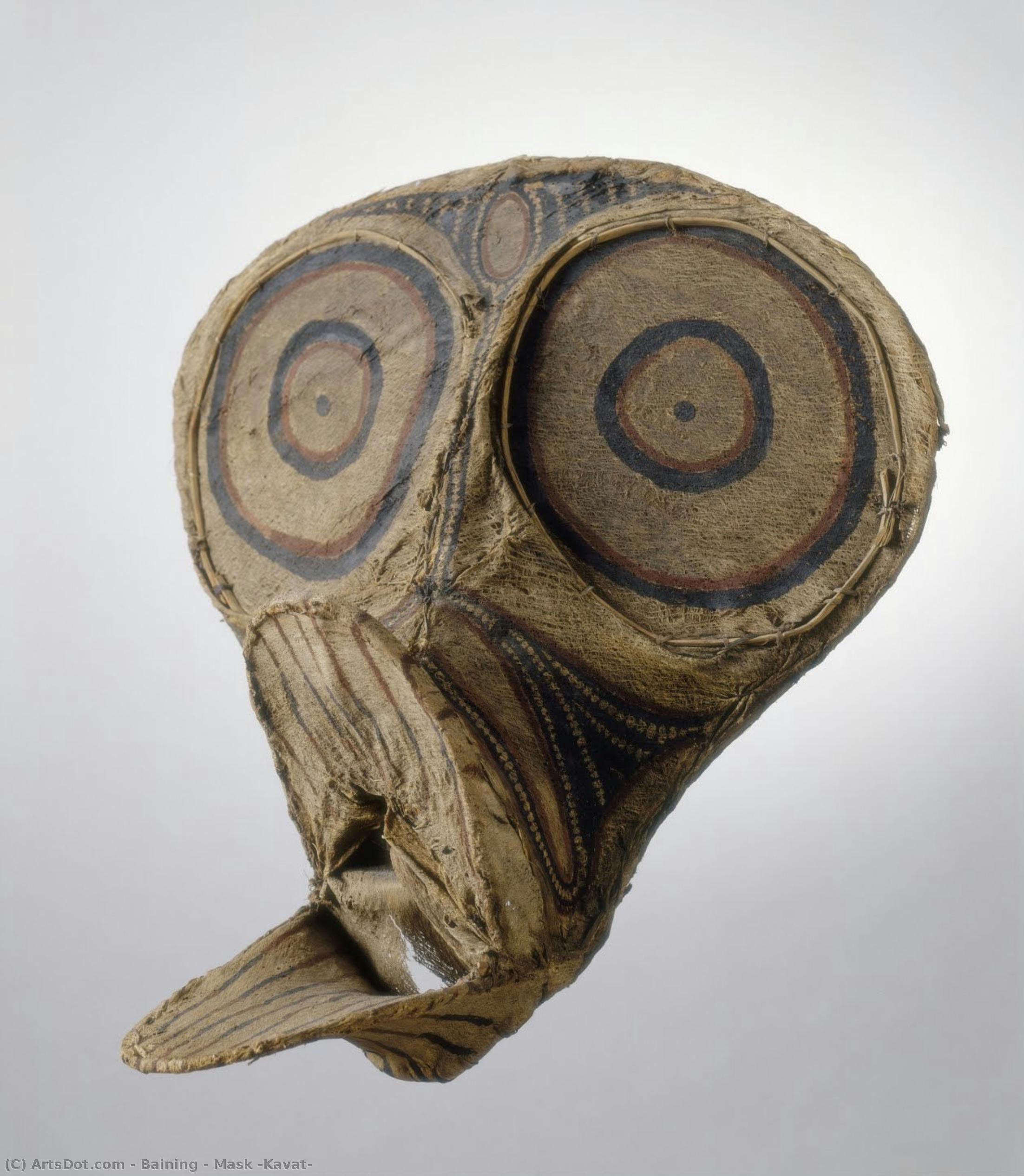
Mask (Kavat)

Explore the evocative art of Baining, a Papua New Guinean artist renowned for documenting his people's traditions & history through intricate storytelling.

Adquiera una imagen digital de alta resolución y optimizada, muy superior a la vista previa en línea.

Cada archivo es preparado meticulosamente por nuestros especialistas internos mediante el uso de herramientas avanzadas y un experto retoque manual. Nos aseguramos de que cada imagen posea una claridad excepcional, una precisión cromática impecable y un detalle minucioso.

El archivo final se entrega por correo electrónico en un plazo de 72 horas, optimizado para su uso inmediato en entornos profesionales, editoriales y de impresión. Esta es la misma calidad en la que confían los estudios de diseño, las editoriales y las galerías de primer nivel.

Imagen Digital

Descarga un archivo de alta resolución para exhibición personal, impresión y proyectos creativos.

Precio total

$9.99

Incluido en cada pedido de imagen digital

Entrega digital experta, garantizada.

Al elegir WahooArt.com, no solo está adquiriendo una imagen; está recibiendo una obra de arte digital mejorada profesionalmente, elaborada con precisión y respaldada por una garantía de satisfacción. Esto es todo lo que incluye su pedido, automáticamente:

shipping_icon
Entrega rápida por email

Recibirá su archivo de imagen digital en alta resolución por correo electrónico en un plazo de 72 horas tras realizar su pedido, listo para su uso inmediato.

canvas_icon
Archivo digital optimizado con IA

Su obra de arte se optimiza profesionalmente mediante herramientas avanzadas de IA y edición manual, garantizando el máximo detalle, claridad y precisión cromática.

insurance_icon
Reenvío gratuito de por vida

¿Has borrado o perdido tu archivo por error? No te preocupes: te lo volveremos a enviar en cualquier momento, sin coste adicional.

tax_icon
Sin cargos de importación - Siempre

Disfrute de su obra de arte al instante sin aduanas, aranceles ni gastos de envío; las descargas digitales siempre están libres de impuestos.

color_icon
Garantía de fidelidad de color

Garantizamos que su imagen digital refleje los colores originales con la mayor fidelidad posible, mediante el uso de herramientas profesionales y gestión del color.

return_icon
Garantía de satisfacción de 60 días

Si no está satisfecho con su imagen digital, la revisaremos o le reembolsaremos el 100% en un plazo de 60 días, sin preguntas.

guarantee_icon
100% Garantía de devolución de dinero

¿No está satisfecho? Obtenga un reembolso completo dentro de los 60 días posteriores a la recepción de su archivo digital, sin preguntas.

discount_icon
Descuentos por pedidos al por mayor

Compra 3 imágenes, ahorra 10% - Compra 5, ahorra 15% - Compra 10+, ahorra 20%. Ideal para proyectos creativos, galerías y agencias.


Biografía del artista

The Echoes of the Baining Mountains

The art of Baining, a name that resonates with both mystery and profound cultural significance, is inextricably linked to the rugged landscapes of the Baining Mountains on the Gazelle Peninsula of East New Britain, Papua New Guinea. More than simply a collection of visual representations, Baining artistry—manifesting in elaborate masks, intricate barkcloth designs, dynamic fire dances, and even the rhythmic patterns of their daily lives—is a complex system of storytelling, social control, and spiritual connection. It’s a tradition born from centuries of interaction with the environment, shaped by internal clan dynamics, and profoundly influenced by the ebb and flow of external pressures – most notably, the arrival of neighboring tribes and the subsequent imposition of colonial rule.

The Baining people themselves are thought to have been driven into these mountains in comparatively recent times, a consequence of migrations and conflicts with the Tolai tribes who dominated the coastal regions. This displacement fostered a unique identity—one deeply rooted in resilience, a pragmatic approach to survival, and an unwavering commitment to preserving their cultural heritage within a geographically isolated space. Early ethnographic accounts often painted a picture of a ‘primitive’ culture, largely due to the difficulty of establishing genuine communication with the Baining people – a challenge compounded by the fact that they actively resisted attempts at imposing Western frameworks of understanding.

The Language of Masks and Dance

At the heart of Baining artistic expression lies the mask. These aren’t merely decorative objects; they are conduits to the spirit world, embodiments of ancestral figures, and powerful symbols of social status and authority. Crafted primarily from cane and adorned with white barkcloth, each mask is meticulously painted using natural pigments derived from plants and berries – a process that reflects a deep understanding of the local flora and its symbolic potential. The intricate designs—often depicting mythical creatures, spirits, or clan leaders—are not simply aesthetically pleasing; they carry specific narratives and convey complex meanings understood only by initiates and elders.

The fire dances, perhaps the most iconic aspect of Baining culture, are a spectacular display of athleticism, ritualism, and community cohesion. Performed during elaborate ceremonies, these dances involve young men leaping through blazing bonfires – a symbolic act of purification and initiation into manhood. The rhythmic drumming, chanting, and swirling movements create an immersive experience that transcends the purely physical, connecting participants to their ancestors and reinforcing social bonds. The Baining believe that fire possesses transformative power, capable of cleansing negativity and ushering in new beginnings.

A Culture Shaped by Constraint

Despite the romanticized notions of a ‘primitive’ culture, the Baining way of life is characterized by a remarkable degree of constraint. Unlike many other Melanesian societies, they actively discourage play and leisure activities, viewing them as frivolous distractions from the essential task of working to sustain their community. This emphasis on work—on mastering the land and securing resources—is not simply a matter of economic necessity; it’s deeply intertwined with their spiritual beliefs and social structure. As anthropologist Alexandra Edwards has argued, the Baining see themselves as distinct from the ‘animalistic’ world through their labor, effectively defining what it means to be human.

This aversion to play is not simply a matter of repression; it's a fundamental aspect of their worldview. The Baining believe that excessive indulgence leads to chaos and disruption, while disciplined work fosters harmony and stability. The very act of creating—whether through crafting masks, weaving barkcloth, or cultivating crops—is imbued with spiritual significance, transforming everyday tasks into sacred rituals.

Legacy and Interpretation

Contemporary interpretations of Baining art and culture often challenge the reductive portrayals of the past. Recent scholarship has moved beyond simplistic notions of ‘primitiveness,’ recognizing the sophisticated mytho-poetic systems that underpin Baining social organization, artistic expression, and spiritual beliefs. The Baining’s resistance to external influences—their deliberate rejection of Western concepts of play and leisure—has been reinterpreted as a form of cultural preservation, a conscious effort to maintain their unique identity in the face of overwhelming pressures.

The art of Baining continues to evolve, adapting to changing circumstances while retaining its core values. Despite facing challenges such as environmental degradation and economic hardship, the Baining people remain committed to preserving their traditions—a testament to the enduring power of a culture forged in the heart of the Baining Mountains.

baining

baining

Papua New Guinea

Información clave

  • Artistic Movement Or Style: Indigenous Art
  • Artists Or Movements Influenced By This Artist: ['None known']
  • Artists Who Influenced This Artist:
    • Thomas Baines
    • George Grantham Bain
  • Full Name: Baining
  • Nationality: Papua New Guinean
  • Notable Artworks:
    • Baining People
    • Night Dance Ceremonies
  • Place Of Birth: WahooArt, Papua New Guinea