Asesoría de arte gratuita

x
Encargar reproducción Encargar reproducciónComprar imagen en alta resolución Comprar imagen en alta resolución EnviarEnviar
DetallesDetalles Añadir a favoritos Añadir a favoritos DescargarDescargar SimilaresSimilares Rayos XRayos X Presentación de diapositivasPresentación de diapositivas

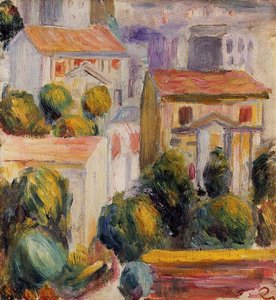
Mousehole

  • Fecha de creación1946
  • Dimensiones91.0 x 72.0 cm

Discover Adrian Ryan’s evocative oil paintings – introspective portraits & landscapes like ‘Self Portrait’ & ‘Myrtle Cottage.’ Explore Highland art & his rich, textured style.

Giclée / Impresión de arte

Impresión giclée o en lienzo de calidad de museo con producción rápida y opciones de acabado flexibles.

Standard
custom
CM
INCH

Elija entre nuestros tamaños predefinidos que respetan las proporciones originales de la obra.

ancho
altura

Puede introducir sus propias dimensiones para adaptarse a un marco o espacio específico. Si el tamaño seleccionado no coincide con las proporciones de la imagen original, recortaremos la obra de arte o extenderemos la imagen con un borde con efecto espejo o de color sólido. Se enviará una maqueta digital para su aprobación antes de que comience la producción.
Tenga en cuenta que la vista previa en pantalla no refleja el recorte o la extensión real. Solo la maqueta mostrará con precisión la composición final.
Aunque existen tamaños personalizados, recomendamos seleccionar una dimensión de la lista predefinida para preservar las proporciones originales.

Entrega mundial () en 2 semanas en lugar de las 4/5 semanas estándar. (3 julio)

why_choose_icon
Envío exprés gratuito a todo el mundo
why_choose_icon
Lienzo de lino de alta calidad
why_choose_icon
Seguro de envío total
why_choose_icon
Garantía de reembolso de impuestos aduaneros
why_choose_icon
Garantía de fidelidad de color
why_choose_icon
Política de devolución de 60 días (solo por defectos)
why_choose_icon
Garantía de devolución del 100% del dinero
why_choose_icon
Descuento por pedido múltiple

Precio total

-

reproduction

Mousehole

Giclée / Impresión de arte

Tamaño de la reproducción

-

Precio total final

-


Biografía del artista

Adrian Ryan: A Highland Soul Captured in Oil

Adrian Ryan (1920–1998) wasn’t merely a painter; he was an observer, a translator of the landscapes and light of his beloved Cornwall and Scotland. Born in Hampstead, London, into a family steeped in artistic tradition – his father, Vivian D. Ryan, a respected landscape and portrait artist – Ryan inherited not just a lineage but also a profound sensitivity to color and form. His early years were shaped by a nomadic existence, punctuated by time spent at Hintlesham Hall in Suffolk and the sun-drenched shores of Villa Santa Lucia in Cagnes-sur-Mer, experiences that would profoundly influence his artistic vision. This dual upbringing fostered an appreciation for both the rugged beauty of the British Isles and the vibrant hues of the Mediterranean, a combination he masterfully integrated into his distinctive style.

Ryan’s formal training began at the Slade School of Fine Art in 1939, a period disrupted by the outbreak of World War II. This enforced pause allowed him to establish himself as an independent artist, a crucial step that shaped his approach – he wasn't simply responding to a subject; he was actively constructing it on the canvas. His early career gained momentum through exhibitions at the Redfern Gallery in London, a prestigious venue that championed emerging talent. The gallery’s astute eye recognized Ryan’s unique ability to capture atmosphere and mood with bold brushstrokes and an intuitive understanding of light. This initial success laid the foundation for a prolific career spanning several decades, marked by consistent recognition and a growing body of work.

The Language of Landscape

Ryan's paintings are fundamentally rooted in landscape, but they transcend mere representation. He wasn’t interested in photographic accuracy; instead, he sought to convey the *feeling* of a place – its essence, its spirit. His subjects ranged from dramatic Highland vistas and windswept Cornish coastlines to intimate glimpses of cottages and gardens. A key element of his technique involved layering colors directly onto the canvas, creating a textured surface that seemed to shimmer with reflected light. This approach, reminiscent of the Impressionists and Post-Impressionists, allowed him to capture the fleeting effects of weather and time. The use of complementary colors – blues against oranges, greens against reds – intensified the visual impact, while subtle shifts in tone suggested depth and atmosphere.

Ryan’s compositions often featured a sense of quiet contemplation. Figures were frequently relegated to secondary roles, serving as anchors within the landscape rather than dominating it. His paintings weren't about grand narratives; they were about capturing moments – a solitary shepherd on a hillside, a fishing boat returning to harbor, or simply the play of light and shadow across a field of wildflowers. This understated approach, combined with his masterful use of color and texture, created works that are both visually arresting and deeply evocative.

Influences and Style

Ryan’s artistic development was shaped by a diverse range of influences. The bold colors and expressive brushwork of the Impressionists, particularly Monet and Pissarro, undoubtedly played a significant role in his early work. He also drew inspiration from the Post-Impressionists, such as Van Gogh and Gauguin, whose use of color to convey emotion was particularly appealing. However, Ryan’s style evolved beyond these influences, developing its own distinctive character – one that blended elements of both European modernism with a distinctly British sensibility. The rugged beauty of the Scottish Highlands, where he spent much of his later life, became a central theme in his work, informing his palette and compositional choices.

His style can be described as ‘atmospheric’ or ‘impressionistic,’ but it possesses a unique depth and solidity. He wasn't simply painting what he *saw*; he was painting what he *felt*. The textures of the landscape – the rough bark of trees, the damp earth beneathfoot, the shimmering surface of water – were rendered with remarkable detail and sensitivity. This tactile quality is particularly evident in his depictions of cottages and gardens, where every brick, every flower, seems to radiate with life.

Legacy and Recognition

Adrian Ryan’s work enjoyed considerable recognition throughout his career, culminating in retrospective exhibitions at prestigious venues such as the Tate Gallery (both in London and St Ives) and the Minories in Colchester. His paintings are now held in numerous public collections across the United Kingdom and internationally, a testament to their enduring appeal. Ryan's ability to capture the essence of the British landscape – its beauty, its drama, and its inherent melancholy – continues to resonate with viewers today. He left behind a substantial body of work that offers a unique perspective on the changing face of the Highlands and Islands, and his legacy as one of Scotland’s most important 20th-century artists remains secure.

adrian ryan

adrian ryan

1920 - 1998

Datos clave

  • Artistic Movement Or Style: British Landscape
  • Artists Or Movements Influenced By This Artist: ['St. Ives artists']
  • Artists Who Influenced This Artist: ['Vivian D Ryan']
  • Date Of Birth: 19 June 1990
  • Full Name: Adrian Ryan
  • Nationality: Irish
  • Notable Artworks:
    • Brittany Church
    • Myrtle Cottage
    • Self Portrait
  • Place Of Birth: Hampstead, London