Timbuktu Renaissance: A Cultural Treasure of Mali
Nestled in the heart of Mali’s Sahel region, the Timbuktu Renaissance stands as a testament to human ingenuity and unwavering dedication to preserving cultural heritage—a beacon of hope amidst turbulent times. More than just a museum; it's an immersive experience transporting visitors back centuries to witness the zenith of Islamic scholarship and artistic expression in West Africa. Its expansive galleries offer panoramic views of Timbuktu’s landscape, fostering contemplation and inspiring awe at the scale of human achievement.
Collection Highlights: Illuminating Ancient Knowledge
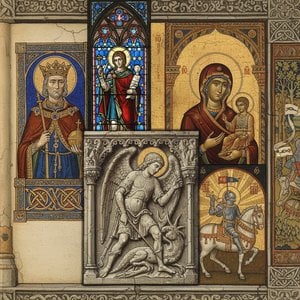
The museum’s core comprises over 150,000 manuscripts painstakingly recovered from perilous expeditions—a breathtaking assemblage representing disciplines ranging from astronomy and mathematics to medicine and jurisprudence. Among these treasures are illuminated Gospels dating back to the 14th century and exquisitely crafted Qurʾanic parchments adorned with intricate calligraphy. Each manuscript whispers tales of intellectual curiosity and artistic mastery, reflecting the vibrant spirit of Timbuktu’s golden age as a center for learning and faith. The meticulous preservation efforts undertaken by curators ensure that these invaluable documents continue to inspire scholars and artists alike.
Architectural Marvels: Echoes of Sudanese-Sahelian Grandeur
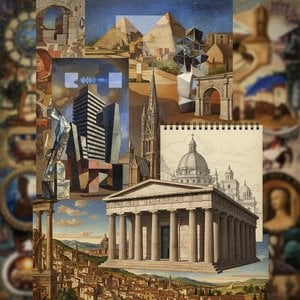
Visitors can explore Djingareyber Mosque, Sankore Mosque, and Sidi Yahia Mosque—UNESCO World Heritage Sites—each embodying the grandeur of Sudanese-Sahelian architectural style. Their soaring minarets dominate the skyline, a tangible reminder of Timbuktu’s past glory as a beacon for religious devotion and intellectual discourse. Constructed primarily from mud brick and adorned with geometric patterns, these mosques stand as enduring symbols of faith and artistic innovation—a testament to the skill and vision of generations of builders. Detailed architectural plans are available for viewing within the museum's educational center.
A Legacy Forged in Resilience: From Ashes to Inspiration
Founded in 1962 by UNESCO and supported by generous donations from around the globe, the museum emerged from the ashes of conflict—a poignant symbol of determination to safeguard Timbuktu’s irreplaceable artistic legacy. The ongoing restoration projects undertaken with international collaboration aim to revive damaged manuscripts and promote intercultural dialogue, underscoring its commitment to fostering understanding and inspiring future generations. Stories of perseverance and scholarly dedication are interwoven throughout the museum's exhibits, reminding visitors of the importance of safeguarding cultural heritage.
Musical Resonance: Recreating Timbuktu’s Sonic Landscape
The museum’s curators have collaborated with musicians from across Africa to recreate the vibrant sonic landscape of Timbuktu—a captivating journey into Tuareg music, Sufi chants, and Berber melodies that reflect the city's spiritual traditions. Sound installations throughout the galleries immerse visitors in the rhythms and harmonies of Timbuktu’s cultural heritage, offering a sensory experience that complements the visual treasures housed within. Recordings of performances by renowned musicians are available for download on the museum’s website.