A Renaissance Heartbeat: Exploring Santo Spirito in Prato
Nestled within the vibrant tapestry of Prato, Italy, lies Santo Spirito – a church that transcends its ecclesiastical role to become a profound testament to the artistic and spiritual currents of the Italian Renaissance. More than just a place of worship, it’s an immersive experience, a carefully curated journey through centuries of devotion and masterful artistry. This isn't merely a museum; it’s a living space where echoes of the past resonate within its walls, offering visitors a rare intimacy with the creative spirit of a bygone era. The church’s unassuming exterior belies the treasures held within, making it an essential stop for anyone seeking to truly understand the soul of Tuscany.
The Masterpieces Within: Lorenzo Lotto and the Secrets of the “Master of Santo Spirito”
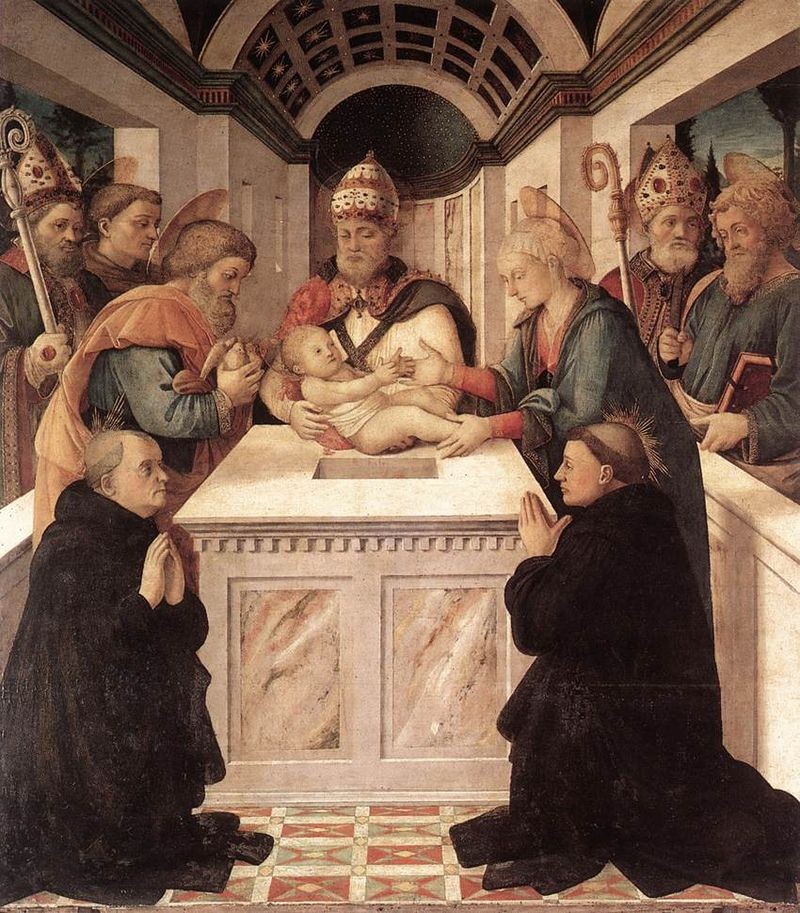
At the heart of Santo Spirito's allure is undoubtedly the *Santo Spirito Altarpiece* by Lorenzo Lotto, a work that immediately establishes the church’s exceptional artistic pedigree. This monumental panel, meticulously detailed and imbued with an almost palpable sense of piety, showcases Lotto’s signature blend of realism and emotional depth. The altarpiece invites close study – visitors can often find themselves captivated by the subtle nuances of expression in the figures, the delicate rendering of drapery, and the overall luminous quality of the paint. Equally compelling is the work attributed to the enigmatic “Master of Santo Spirito,” a Florentine painter whose identity remains shrouded in mystery. These intimate depictions of the Virgin and Child – often small-scale tondi – reveal an unparalleled sensitivity to form and a profound understanding of maternal love. The collection boasts several such works, offering a poignant glimpse into the devotional practices of the time and highlighting the artist’s remarkable skill in capturing fleeting moments of grace and tenderness.
A Church Forged in History: Architecture and the Layers of Time
The history of Santo Spirito is inextricably linked to the evolution of Prato itself. While detailed architectural documentation remains somewhat sparse, the building's very existence speaks volumes about the city’s strategic importance throughout the centuries. Originally a modest Augustinian church, it evolved over time through expansions, renovations, and the incorporation of artworks from other suppressed religious institutions. The imposing Baroque choir loft, a testament to 17th-century exuberance, stands in stark contrast to the more restrained elegance of the Renaissance frescoes adorning the side walls. The building’s structure itself – with its sturdy Romanesque foundations and later additions – reflects the layers of history that have shaped Prato's identity. The church served as a vital center for civic life, witnessing political intrigue, religious fervor, and artistic innovation.
Intimate Spaces, Enduring Devotion: What Makes Santo Spirito Unique
Unlike grand, sprawling museums that attempt to encompass an entire era, Santo Spirito offers a remarkably intimate experience. Its focus on the Renaissance – specifically the 15th and 16th centuries – allows for a deeper engagement with the works on display. The church retains a palpable sense of spiritual atmosphere, largely due to its continued use as a place of worship. The presence of active religious services adds another layer of richness to the visitor’s experience, creating an environment that is both contemplative and profoundly moving. Furthermore, Santo Spirito provides a unique opportunity to connect with lesser-known but exceptionally talented artists like the “Master of Santo Spirito,” whose work offers a refreshing counterpoint to the more celebrated names of the Florentine Renaissance.
A Journey Through Time: Exploring Santo Spirito Today
Santo Spirito is more than just a collection of paintings; it’s a portal to another time, a place where art and faith converge. The church's ongoing role as a vibrant community space ensures that its artistic treasures are not merely preserved but actively experienced. A visit here isn’t simply an observation of beauty—it’s an invitation to connect with the human spirit, to contemplate the enduring power of devotion, and to appreciate the genius of those who shaped the Renaissance landscape. It remains a vital cultural landmark in Prato, offering visitors a truly unforgettable encounter with the heart of Italian art history.