A Parisian Sanctuary of Genius
In the heart of the historic Marais district, where the cobblestone streets of Paris whisper tales of centuries past, lies a sanctuary dedicated to the most transformative force in twentieth-century art. The Musée Picasso is far more than a mere repository for masterpieces; it is an immersive journey into the restless, evolving mind of Pablo Picasso. Housed within the magnificent Hôtel Salé , a seventeenth-century mansion that exudes the grandeur of French Baroque architecture, the museum offers an intimacy rarely found in larger institutions. The very stones of this stately residence, originally built for a salt tax collector, provide a profound architectural resonance to the works within. As visitors wander through its ornate courtyards and grand salons, they encounter a space where the historical weight of the building mirrors the monumental impact of the artist’s legacy.
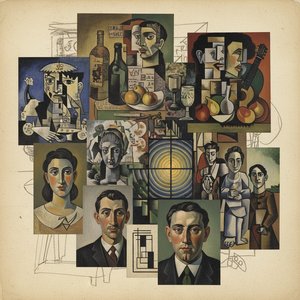
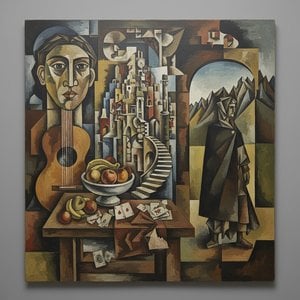
Stepping across the threshold is akin to entering Picasso’s personal universe, a sprawling cosmos of creativity that defies simple categorization. The collection is staggering in its breadth, boasting over 5,000 works that span the entirety of his prolific career. Here, one does not merely observe art but witnesses the raw mechanics of genius. From the somber, monochromatic depths of his Blue Period to the fractured, revolutionary geometries of Cubism, the museum meticulously traces Picasso’s relentless pursuit of reinvention. The collection is a tapestry of diverse media, weaving together paintings, sculptures, ceramics, and intricate drawings with personal notebooks and correspondence that reveal the vulnerable sketches behind the iconic finished works. For the collector or the admirer, this depth offers a rare opportunity to see how a single artist could masterfully navigate through so many disparate artistic languages.
The museum’s narrative is further enriched by its deep connection to the landscape and the masters who preceded him. Within these walls, one can find traces of the Mediterranean light that fueled Picasso's early explorations, such as in The Sea at l’Estaque , a work that captures the vibrant turquoise and ochre hues of Provence. This connection to nature is balanced by the museum's curated dialogues with other titans of art history; the halls feature works by Renoir, Cézanne, and Matisse, providing the essential context of the influences that shaped Picasso’s aesthetic vision. This interplay between his personal evolution and the broader movement of modern art makes the Musée Picasso a vital cultural hub, where temporary exhibitions frequently breathe new life into the collection, exploring contemporary themes and forging unexpected links between the past and the present.
What truly distinguishes the Musée Picasso is its unique origin story—a legacy forged through a groundbreaking act of French legislation. The very existence of this vast assemblage was made possible by a 1968 law that allowed heirs to settle inheritance taxes through the donation of culturally significant artworks. This act of profound stewardship ensured that Picasso’s personal treasures remained in the public trust, fulfilling the artist's own desire to share his vision with the world. For interior designers seeking inspiration or art lovers yearning for a deeper connection to modernism, the museum stands as a beacon of enduring creativity. It is a place where history, architecture, and unparalleled artistic audacity converge, inviting every visitor to embark on an unforgettable odyssey through the soul of a legend.