




A Sanctuary of Splendor: The Soul of the Loire Valley
Nestled within the historic grandeur of the former Bishop’s Palace, adjacent to the soaring St. Gatien Cathedral, the Musée des Beaux-Arts de Tours offers far more than a mere survey of artistic achievement; it provides a profound encounter with the very heartbeat of French heritage. To step through its doors is to enter a space where time slows, and the echoes of the Renaissance mingle with the light of Impressionism. The museum’s architecture, a magnificent testament to its ecclesiastical origins, serves as a majestic frame for the treasures held within. As visitors wander through its elegant halls, they are greeted by the serene presence of a magnificent cedar of Lebanon in the courtyard—a living monument that stands alongside the museum's most whimsical inhabitant: a stuffed elephant, a poignant and unexpected relic from a 1902 circus parade that continues to enchant locals and travelers alike with its tales of spectacle and surprise.
The collection itself is a breathtaking tapestry of European mastery, curated with an eye for both breadth and exquisite detail. For the connoisseur of the Italian Renaissance, the museum offers an intimate dialogue with the masters of the early period. One might find themselves lost in the delicate precision of Andrea Mantegna’s predella paintings from the San Zeno Altarpiece, or captivated by the luminous spiritual energy found in the works of Antonio Vivarini and Giovanni di Paolo. These pieces do not merely sit on walls; they breathe with the devotion and technical rigor of an era that redefined the boundaries of human expression. This sense of historical weight is balanced beautifully by the museum's profound holdings in French painting, where the dramatic shadows of Claude Vignon and the classical elegance of Philippe de Champaigne lead the viewer toward the emotive power of Eugène Delacroix.
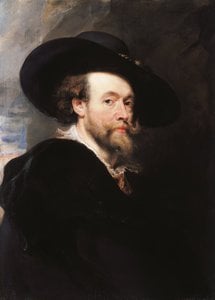
For collectors and lovers of light and texture, the museum’s Flemish and Dutch collections provide a masterclass in psychological realism and atmospheric depth. The halls are graced by the profound chiaroscuro of Rembrandt, whose etchings and paintings invite a deep, contemplative stillness. The presence of Peter Paul Rubens, particularly his tender Virgin and Child, brings a sense of baroque vitality to the galleries, while the maritime serenity of Jan van Goyen’s seascapes offers a window into the soul of the Northern masters. This dialogue between the heavy, dramatic textures of the seventeenth century and the delicate, fleeting impressions of later eras creates a rhythmic experience for the observer, making each visit a journey through the evolving perception of beauty.
Beyond the canvas, the Musée des Beaux-Arts de Tours celebrates the tactile power of sculpture, presenting a lineage of form that spans from the classical precision of Jean-Antoine Houdon to the modern, emotive distortions of Alberto Giacometti and Auguste Rodin. For the interior designer or art enthusiast seeking inspiration, the museum serves as an infinite wellspring of aesthetic ideas, where the interplay of light, shadow, and material can be studied in its most pure form. It is a place where history is not just remembered but felt—a jewel of the Loire Valley that remains an essential pilgrimage for anyone moved by the enduring power of the human hand and spirit.





