A Sanctuary of Charity and Gothic Splendor
Nestled within the vibrant pulse of Piazza San Giovanni, the Loggia del Bigallo stands as a profound testament to Florence’s enduring spirit—a beacon of compassion interwoven with breathtaking architectural achievement. More than just a structural relic of the past, it is a tangible embodiment of medieval Florentine values, where the impulse to alleviate human suffering met the heights of artistic innovation. Founded between 1352 and 1358 by the Compagnia della Misericordia and the Compagnia di Santa Maria del Bigallo , these fraternities were dedicated to the noble pursuit of civic duty, providing care for the sick, orphans, and pilgrims. This historical foundation transformed the Loggia from a mere charitable hospital into a sacred space where the rhythms of mercy and the beauty of art became inseparable.
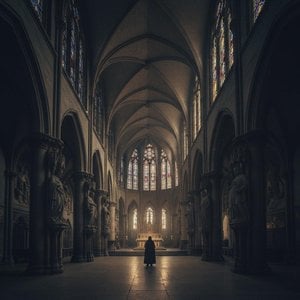
The architecture itself serves as a visual hymn to late Gothic artistry. Designed by Alberto Arnoldi, the structure underwent a magnificent transformation following a devastating fire in 1442, which solidified its current grandeur. As one approaches the building, the eye is immediately drawn to the impressive arched bays, where meticulously crafted bas-layers of stone tell silent, powerful stories. These bas-reliefs, featuring biblical narratives and revered saints, are remarkable achievements of fourteenth-century sculpture. The hands of masters like Bernardo Daddi are felt in every curve and contour, as they painstakingly rendered scenes from the Old Testament with a level of spiritual depth and artistic virtuosity that continues to captivate the modern observer. These sculptures act as windows into a bygone era, capturing the very essence of medieval devotion.
Beyond its structural majesty, the museum’s collection offers an intimate glimpse into the pious life of Florence. Visitors can encounter fragments of liturgical vestments and sacred relics that serve as poignant testaments to the devotion of the founding fraternities. A particular focal point of visual interest is found in the three elaborately crafted tabernacles created by Filippo di Cristofano in 1412. These ornate structures, housing depictions of the Madonna and Child, Saint Lucy, and Saint Peter Martyr, reflect a meticulous level of craftsmanship that highlights the symbolic significance of every detail. For the art lover or the discerning collector, these pieces represent the delicate intersection of fine technique and profound religious symbolism.
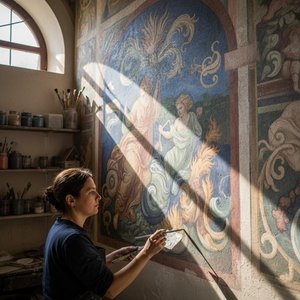
The allure of the Loggia del Bigallo was further heightened by its serendipitous rediscovery in 1889; following extensive renovations, hidden decorations that had been obscured by centuries of grime and neglect were revealed to the world. This event reaffirmed the museum's status as a cornerstone of Florentine cultural heritage. Today, having hosted notable exhibitions showcasing masterpieces of the Italian Renaissance, the Loggia remains an immersive experience. It invites scholars, enthusiasts, and designers alike to step back into the heart of medieval Florence, offering a rare opportunity to contemplate a world where faith, compassion, and artistic brilliance exist in perfect, enduring harmony.