Lichfield Cathedral: A Legacy of Faith and Artistic Splendor
Lichfield Cathedral stands as a testament to over thirteen centuries of British history—a magnificent edifice that seamlessly blends ecclesiastical devotion with breathtaking artistic achievement. Located in Staffordshire, England, this UNESCO World Heritage Site welcomes visitors eager to explore its profound spiritual significance alongside its remarkable architectural grandeur and captivating collection of artworks. Founded in 669 AD by Saint Chad, the cathedral’s evolution reflects the shifting tides of religious fervor and cultural influence across Europe.
### Architectural Marvel: The Cathedral's Formative Stages
The cathedral’s story begins with a humble chapel erected by Saint Chad, quickly expanding into a substantial monastic complex. However, its current Gothic form emerged primarily between the 12th and 15th centuries, shaped by ambitious builders like Roger de Clinton who envisioned a cathedral as a symbol of Christian authority. The distinctive ladder-shaped street plan surrounding Lichfield Cathedral—a deliberate design choice reflecting its origins as an ecclesiastical centre—is itself a fascinating element of architectural history. Perhaps most notably, it boasts three soaring spires – one of only three medieval cathedrals in England to achieve this feat – representing the Holy Trinity and embodying aspirations for spiritual elevation. The meticulous stonework and intricate carvings throughout the cathedral’s interior speak volumes about the skill and dedication of craftsmen during its formative years.
### Treasures Within Walls: Collection Highlights
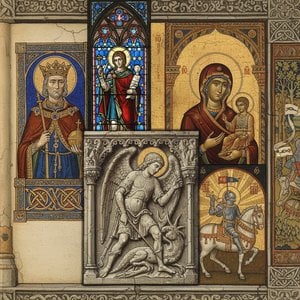
Lichfield Cathedral's artistic heritage extends far beyond its architectural magnificence. Among its treasures are several exceptional pieces that illuminate the artistic traditions of their respective eras. The Lichfield Angel, a late 8th-century Anglo-Saxon stone carving discovered in 2003, represents one of the rarest surviving examples of painted Anglo-Saxon sculpture—a poignant reminder of early Christian artistry and devotion. Furthermore, the St Chad Gospels – currently on loan from The British Museum – offer invaluable insight into the artistic practices and theological concerns of medieval England. These illuminated manuscripts showcase exquisite craftsmanship and vibrant colours, demonstrating the importance of visual storytelling in conveying religious narratives. Visitors can also admire monumental sculptures depicting saints and biblical figures, reflecting the cathedral’s role as a focal point for spiritual contemplation.
### Artistic Expressions: Notable Exhibitions and Artists
Throughout its history, Lichfield Cathedral has hosted numerous exhibitions showcasing both established masterpieces and emerging talents. Recent initiatives have focused on exploring themes of faith, art, and social justice, fostering dialogue and enriching understanding among audiences. The cathedral’s collection includes works by renowned artists such as George Willis Pryce, Thomas Girtin, Arthur Wilde and many others who captured the beauty of Lichfield Cathedral in their paintings. These artworks serve as visual chronicles of the cathedral's evolution and its enduring connection to Staffordshire’s cultural landscape.
### A Cathedral Unlike Any Other: Symbolism and Spiritual Significance
What distinguishes Lichfield Cathedral from countless other religious buildings is not merely its architectural grandeur but also its profound spiritual symbolism. The Shrine of Saint Chad—the resting place of England’s fifth bishop—continues to attract pilgrims seeking solace and inspiration. Its serene atmosphere, coupled with the cathedral's rich liturgical traditions, embodies centuries of Christian faith and artistic endeavour. Lichfield Cathedral remains a vibrant centre for worship and community engagement, inviting visitors to contemplate its enduring legacy as one of Britain’s most treasured monuments – a place where history, art, and spirituality converge in harmonious beauty.