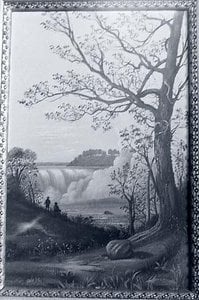
William Woodruff Gibbs: A Chronicle of Rural America
The canvases of William Woodruff Gibbs, a largely unsung figure of the late 19th-century American art scene, offer a captivating glimpse into the heartland – a world of bustling farms, mischievous wildlife, and the quiet dignity of rural life. Born in Wahoo County, Nebraska, in 1821, Gibbs’s artistic journey was deeply intertwined with his upbringing amidst the vast, untamed landscapes of the American frontier. His work isn't merely depictions of scenery; it’s a vibrant storytelling, imbued with a keen observation of human interaction and the subtle dramas unfolding within the natural world. While he never achieved widespread fame during his lifetime, Gibbs’s legacy endures through his charming scenes and remarkable ability to capture the essence of a bygone era.
Gibbs' early life instilled in him a profound appreciation for nature and its inhabitants. Growing up in Nebraska, he witnessed firsthand the rhythms of agricultural life, the challenges faced by settlers, and the abundance of wildlife that shared their territory. This formative experience profoundly shaped his artistic vision, leading him to portray animals with an almost uncanny realism – foxes stealing chickens, deer grazing peacefully, and rabbits darting through fields. His subjects weren’t idealized; they were presented with a refreshing honesty, reflecting the realities of rural existence. He was particularly known for his humorous depictions of animal behavior, most famously immortalized in “Fox Stealing Chickens,” a painting that has become an enduring symbol of American folk art.
Gibbs’s artistic development can be traced through his association with George Gibbs, a skilled special effects artist who worked on numerous theatrical productions. This connection exposed Gibbs to the techniques of stage design and illusion, which undoubtedly influenced his approach to composition and storytelling. Furthermore, his time spent in Europe, particularly during the 1860s and 70s, provided him with invaluable exposure to European artistic traditions, most notably Impressionism. He studied at the Académie Julian in Paris, absorbing the techniques of light and color employed by masters like Monet and Renoir. This influence is evident in his later works, which demonstrate a greater emphasis on capturing fleeting moments of light and atmosphere. However, Gibbs never fully abandoned his distinctly American style, blending European influences with his own unique perspective.
A significant aspect of Gibbs’s oeuvre lies in his ability to capture the social dynamics of rural communities. His paintings aren't simply landscapes; they are populated by a cast of characters – farmers, children, and livestock – engaged in everyday activities. “Portrait of Theron Miller,” for example, offers a poignant glimpse into the life of a local farmer, capturing his weathered face and quiet dignity. Gibbs’s work reflects a deep understanding of rural culture, portraying its values, traditions, and challenges with sensitivity and empathy. His scenes are populated by familiar faces, reflecting the close-knit communities he depicted.
Gibbs' most celebrated works often depict animals in humorous or unexpected situations. “Fox Stealing Chickens” exemplifies this talent perfectly, capturing a chaotic scene of a fox deftly pilfering chickens from a bewildered farmer’s yard. These paintings are not merely amusing; they also offer insights into the relationship between humans and wildlife – a delicate balance of predator and prey. His depictions of animals were often imbued with a sense of playful observation, revealing a deep appreciation for their behavior and character. His work was frequently exhibited at the Gibbes Museum Art Gallery in Charleston, South Carolina, where it continues to delight audiences today.
The Influence of George Gibbs and the Rise of American Genre Painting
Gibbs’s artistic journey was inextricably linked with that of his cousin, George Gibbs, a pioneering special effects artist who worked extensively in theater. George's expertise in creating illusions and theatrical environments undoubtedly influenced William's approach to composition and storytelling. The techniques he learned in the theatre—manipulating perspective, creating dramatic lighting, and staging dynamic scenes—were translated into William’s paintings, adding depth and visual interest to his depictions of rural life.
Furthermore, Gibbs emerged during a period of significant transformation in American art. Following the Civil War, there was a growing interest in depicting everyday American life – a trend known as “genre painting.” Artists like George Caleb Bingham and Edward Hopper were exploring themes of rural life, social customs, and regional identity. Gibbs’s work aligns with this broader movement, capturing the spirit of the American frontier and offering a nuanced portrayal of its inhabitants.
The rise of photography also played a role in shaping Gibbs' artistic trajectory. As photography became increasingly accessible, it challenged traditional painting styles by providing a realistic representation of reality. Gibbs responded to this challenge by focusing on capturing the *essence* of his subjects – their personalities, emotions, and relationships—rather than simply replicating their appearance. His paintings are imbued with a sense of narrative and emotional depth that photography could not easily replicate.
Technique and Style: A Blend of Realism and Impressionism
Gibbs’s artistic style is characterized by a skillful blend of realism and impressionistic techniques. He meticulously observed the details of his subjects – the textures of fur, the folds of clothing, and the patterns of foliage—rendering them with remarkable accuracy. However, he also employed loose brushstrokes and vibrant colors to capture fleeting moments of light and atmosphere. This approach creates a sense of immediacy and dynamism in his paintings, inviting viewers to step into the scene and experience it firsthand.
His use of color is particularly noteworthy. Gibbs favored warm, earthy tones – browns, greens, and yellows—that evoke the natural beauty of the American landscape. He also skillfully employed contrast to create visual interest and highlight key elements within his compositions. The lighting in his paintings is often dramatic, with shafts of sunlight breaking through clouds or illuminating figures from behind. This masterful use of light and shadow adds depth and dimension to his scenes.
Gibbs’s technique evolved over time, reflecting his exposure to European artistic traditions. His earlier works are characterized by a more academic style, reminiscent of the French Salon painters. However, as he spent more time in Europe, his paintings became looser and more expressive, incorporating elements of Impressionism. Despite these influences, Gibbs retained his distinctly American sensibility, creating a unique visual language that is both familiar and captivating.
Legacy and Historical Significance
Despite not achieving widespread fame during his lifetime, William Woodruff Gibbs’s work has gained increasing recognition in recent years. His charming scenes of rural America offer a valuable window into the past, capturing the spirit of a bygone era. His paintings are exhibited at museums and galleries across the country, and they continue to delight audiences with their warmth, humor, and authenticity.
Gibbs’s legacy extends beyond his artistic achievements. He represents a significant chapter in American art history – a period of experimentation and innovation that laid the foundation for future generations of artists. His work reminds us of the importance of preserving cultural heritage and celebrating the diversity of American experiences. The Gibbes Museum Art Gallery in Charleston, South Carolina, plays a crucial role in ensuring that Gibbs’s legacy endures, showcasing his paintings alongside those of other prominent Southern artists.
Furthermore, Gibbs's work serves as a reminder of the often-overlooked contributions of rural artists to the American art landscape. His story highlights the importance of recognizing and celebrating the diverse voices within our cultural heritage – voices that may have been marginalized or overlooked in the past.
Questions & Answers
In which historical period did William Woodruff Gibbs work?
William Woodruff Gibbs worked in the 19th-Century period. The period situates the artist's activity in history.
Where are William Woodruff Gibbs's artworks grouped by art movement?
The movements William Woodruff Gibbs worked in can be seen on the artist's All Movements page, which groups the artworks by movement.
Can I browse William Woodruff Gibbs's works by medium?
The All Medium page groups William Woodruff Gibbs's artworks by technique.