Tenkei Denson: The Silent Witness of Zen Transformation
Tenkei Denson (1648 – 1735) stands as a monumental figure in the history of Soto Zen Buddhism, revered for his profound understanding of meditation and his masterful execution of ink drawings that embody the essence of contemplative practice. Born into a family steeped in Buddhist tradition, Denson’s life was dedicated to mastering the art of ‘just sitting,’ a cornerstone of Soto Zen philosophy—a method prioritizing unwavering attention to breath and cultivating inner stillness as pathways to enlightenment. Unlike Hakuin Ekaku, his contemporary whose approach leaned towards koans and intellectual contemplation, Denson championed simplicity and direct experience, shaping the trajectory of Soto Zen’s spiritual development.
- Early Life & Training: Little is known about Denson's formative years beyond his birth in Kyoto during a period marked by significant political upheaval—the Edo Period saw Tokugawa rule solidify its grip on Japan. He entered Eiheiji Temple at the young age of seventeen, embarking on an intensive monastic training regimen that would define his entire life’s work.
- Eiheiji & The Flowering of Soto Zen: Denson's association with Eiheiji Temple proved pivotal in revitalizing Soto Zen after a period of decline following Dōgen Zazen’s death. He skillfully navigated internal disputes and championed the temple’s rebuilding efforts, securing its position as a leading center for Zen practice and scholarship.
- Commentary on The Blue Cliff Record: Perhaps Denson's most enduring contribution was his meticulous annotation of *The Blue Cliff Record*, a seminal text of Zen Buddhism that encapsulates centuries of meditative experience. His interpretations illuminated the profound symbolism embedded within the record’s enigmatic koans—challenging practitioners to transcend rational thought and grasp ultimate reality through intuitive insight.
- Influence & Legacy: Denson's teachings profoundly impacted subsequent generations of Soto Zen monks and scholars, establishing him as a guiding voice in shaping the intellectual landscape of his time. His emphasis on ‘just sitting’ continues to inspire meditators worldwide, cementing his place as one of Japan’s greatest Zen masters.
Artistic Style & Technique: Embodiment of Stillness
Denson's artistic style—primarily ink drawing—served as a powerful vehicle for expressing Zen ideals. Unlike Western art traditions focused on representation, Denson’s works prioritized capturing the subtle nuances of nature and conveying an atmosphere of profound tranquility. He favored landscapes featuring solitary trees, misty mountains, and flowing streams—subjects chosen deliberately to mirror the meditative state itself.
- Minimalist Composition: His drawings were characterized by remarkably simple compositions—often depicting a single tree or rock formation—designed to minimize distractions and encourage focused attention.
- Fluid Brushstrokes & Subtle Tone Variations: Denson’s masterful brushwork produced delicate, flowing lines that conveyed an impression of effortless movement while simultaneously conveying stillness. He skillfully manipulated tonal variations—using subtle gradations of ink—to evoke the ethereal beauty of natural scenes and to capture the elusive quality of enlightenment.
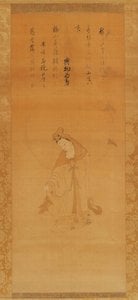
- Notable Works: Among his most celebrated pieces is a breathtaking depiction of Avalokitesvara (Bodhisattva of Compassion), rendered with exquisite detail yet imbued with an aura of serene contemplation. This artwork exemplifies Denson’s ability to distill Zen wisdom into visual form—a testament to the transformative power of artistic practice.
The Blue Cliff Record & Its Interpretation
Denson's scholarly engagement with *The Blue Cliff Record* represents a cornerstone of Soto Zen intellectual history. Recognizing its significance as a distillation of Zen experience, he undertook a comprehensive annotation—a task that would occupy him for decades—aiming to illuminate the record’s cryptic koans and deepen understanding of their underlying philosophical implications.
- Symbolic Resonance: Denson meticulously analyzed the imagery and language within *The Blue Cliff Record*, uncovering layers of symbolic resonance that transcended literal interpretation.
- Expanding Understanding: His annotations broadened the scope of Zen inquiry—encouraging practitioners to explore questions beyond conventional logic and embracing paradoxical insights as pathways to enlightenment.
- Continuing Influence: Denson’s commentary remains a vital resource for scholars and meditators alike, demonstrating his unwavering commitment to preserving and disseminating Soto Zen wisdom across generations.
Concluding Reflections: A Legacy of Quiet Contemplation
Tenkei Denson's life was dedicated to the pursuit of enlightenment—a quest embodied in his profound artistic style and his meticulous scholarship. He bequeathed to posterity a legacy of unwavering devotion to Zen practice and an unparalleled mastery of ink drawing—art forms that continue to inspire contemplation and illuminate the path toward inner peace. His enduring influence underscores the transformative potential of cultivating stillness and embracing intuitive insight as fundamental elements of human experience.