A Legacy Forged in Classical Light: The Life and Art of Noël Nicolas Coypel
Noël Nicolas Coypel, a name often whispered alongside that of his revered predecessor, Nicolas Poussin, was a pivotal figure in 17th-century French painting. Born on December 25, 1628, in the heart of Paris, Coypel’s artistic journey wasn't one of immediate acclaim but rather a gradual ascent shaped by familial encouragement and a deep immersion in the classical tradition. His father, though an artist himself, lacked substantial success, yet he provided young Noël with the initial spark—a passion for painting that would ultimately define his life. This early exposure, however, proved to be more than just foundational; it instilled within Coypel a determination to not only master the craft but also to elevate its standing through rigorous study and dedication.
Early Training and the Influence of Poussin
Coypel’s formative years were significantly influenced by his fascination with the works of Nicolas Poussin, a towering figure whose emphasis on order, clarity, and classical subject matter resonated deeply with the young artist. This admiration wasn't merely passive; Coypel actively sought to understand and emulate Poussin’s techniques, meticulously studying his compositions, color palettes, and approach to form. A crucial step in his development came with his employment by Charles Errard, a prominent decorator tasked with creating numerous paintings for the Louvre Palace. This commission provided invaluable practical experience and allowed Coypel to hone his skills while contributing to one of France’s most prestigious artistic projects. He also benefited from tutelage under Noël Quillerier, another respected painter who further refined his understanding of classical principles and compositional balance.
A Career Defined by Institutional Roles and Grand Commissions
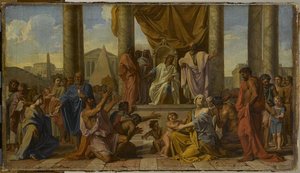
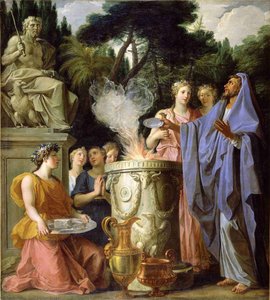
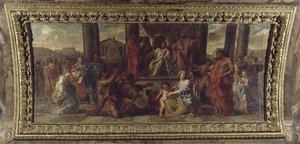
Coypel's career unfolded with a series of increasingly prominent roles within the French art establishment. In 1672, he was appointed director of the prestigious French Academy in Rome—a position that afforded him four years to immerse himself in the artistic heart of Europe and further cultivate his classical sensibilities. This appointment wasn’t simply an honor; it signified a recognition of his talent and potential as a leader within the art world. Upon his return to France, Coypel ascended to become director of the Academy of Painting, where he dedicated himself to fostering the next generation of artists and upholding the standards of academic excellence. Among his most celebrated achievements was his work on large-scale decorative projects, including paintings for the Louvre and other significant Parisian institutions. His *Martyrdom of Saint James in Notre Dame* stands as a testament to his mastery of classical themes, dramatic composition, and technical skill—a powerful depiction that encapsulates the elegance and grandeur characteristic of his style.
Family Legacy and Enduring Impact
The Coypel name became synonymous with artistic talent, extending beyond Noël Nicolas himself. His sons, Antoine and Noël-Nicolas Coypel, followed in their father’s footsteps, establishing themselves as accomplished painters and contributing to the continuation of the family legacy. This familial dedication highlights the importance of artistic training within the Coypel household and the enduring influence of Noël Nicolas's example. Beyond his own prolific output, Coypel played a vital role in shaping the French art scene during a period of significant change. His emphasis on classical principles, combined with a refined sense of elegance, left an indelible mark on numerous artists who followed. He wasn’t merely a painter; he was a teacher, an administrator, and a champion of artistic excellence whose influence continues to be felt today. To explore the breadth of his work, including masterpieces like *The Martyrdom of Saint James*, visit resources such as WahooArt.com, where a comprehensive collection of his paintings awaits discovery. His art remains a powerful reminder of the enduring beauty and timeless appeal of classical painting.