The Convergence of Cinema and Tradition
Born in the vibrant city of Incheon in 1982, Kang Hye-jung has long been recognized as a figure who exists at the delicate intersection of modern performance and classical Korean aesthetics. Her journey began in the high-fashion corridors of modeling, where she first mastered the art of visual presence and the language of imagery. This early training provided a vital foundation for her transition into one of South Korea’s most respected actresses. To observe her work is to witness a seamless blend of movement and emotion, much like the deliberate, soulful brushstrokes found in traditional Korean masterpieces.
A Narrative of Emotion and Imagery
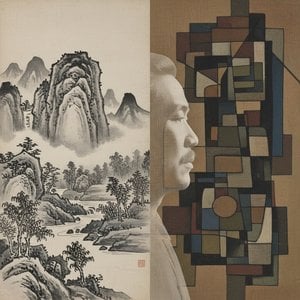
The depth of Hye-jung’s artistry is perhaps most evident in her ability to inhabit characters that demand both vulnerability and strength. Her breakthrough in the legendary thriller Oldboy showcased a capacity for intense, visceral storytelling that resonated globally. Yet, it was in films such as Welcome to Dongmakgol that she truly captured the poetic essence of Korean life, portraying themes of social justice and rural beauty with a grace reminiscent of classical landscape paintings. This cinematic versatility is mirrored by her deep-seated passion for Korean art traditions, particularly works like Gahwachohwedo. In her eyes, the drama of a film and the intricate details of an ancient painting share a common heartbeat: the pursuit of capturing the ephemeral truth of the human experience.
The Enduring Legacy of a Multifaceted Visionary
Beyond the accolades of the film industry, Kang Hye-jung’s significance lies in her role as a cultural bridge. She does not merely perform; she interprets. Whether through the nuanced portrayal of complex roles in The Wedding Scheme or her quiet exploration of historical art forms, she brings a contemporary relevance to ancient sensibilities. Her life and work serve as a testament to the idea that the boundaries between different artistic disciplines are fluid. Through her unique perspective, the modern viewer is invited to see the cinematic screen not just as a medium for drama, but as a canvas where the rich textures of Korean heritage can be vividly reimagined for a new generation.