Per Henning Højholm: The Soul of Danish Midcentury Modern
Per Henning Højholm (born 1957) stands as a pivotal figure in the revival of Scandinavian folk art and a testament to enduring craftsmanship. His journey began with a fascination for ancient frescoes, sparking an ambition to capture their spirit in meticulously crafted wooden figurines – a pursuit that would ultimately establish højholm design as one of Denmark’s most celebrated names in contemporary artistic expression.
- Early Influences: Højholm's formative years were marked by studies in medicine, yet his passion for woodworking swiftly eclipsed academic pursuits. This decision proved transformative, propelling him to Bogense on Funen Island where he founded højholm design and embarked upon a lifelong dedication to preserving traditional techniques while injecting them with a distinctly modern aesthetic.
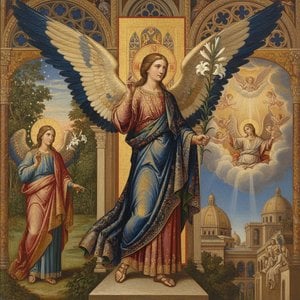
- The Birth of højholm Design: Inspired by the frescoes of Pompeii and Herculaneum, Højholm envisioned figurines imbued with timeless beauty—pieces that would resonate with both heritage and innovation. The initial angel he sculpted for family members served as an emblem of this vision, demonstrating a commitment to artistic integrity from the outset.
- Bogense’s Legacy: Bogense became the epicenter of højholm design's creative process. Collaborating with approximately twenty women artisans, Højholm ensured that each figurine bore the mark of individual artistry—a deliberate choice reflecting his belief in honoring tradition while fostering creativity within a supportive community.
- A Distinctive Style: højholm design’s signature style is characterized by its embrace of Danish beech and oak wood – materials chosen for their inherent warmth and durability. The painted decorations are executed with meticulous attention to detail, employing geometric patterns reminiscent of midcentury modern design principles.
- Recognition & Impact: Højholm's work has garnered international acclaim, appearing in prominent museums such as the Modern Design Museum in Seoul and cementing højholm design’s place within the broader landscape of Scandinavian art history. His enduring legacy lies not merely in aesthetically pleasing figurines but also in championing artisanal skills and preserving cultural traditions for future generations.
Iconic Figurines: The Bogense Horses & Nativity Sets
Among højholm design’s most recognizable creations are the Bogense horses—a series of stylized wooden sculptures that embody a harmonious blend of simplicity and elegance. These horses, meticulously crafted by Højholm and his collaborators, capture the essence of Danish folk art tradition while adhering to stringent aesthetic standards.
- Bogense Horses: The Bogense horses are celebrated for their graceful curves and understated ornamentation—elements that convey a profound connection to the natural world. Each horse is painted in vibrant hues inspired by Scandinavian landscapes, reflecting Højholm’s artistic vision.
- Nativity Sets: højholm design's nativity sets stand as embodiments of Christian symbolism rendered with exceptional craftsmanship. The figures are sculpted from beech wood and adorned with delicate watercolor pigments—a testament to the studio’s dedication to preserving artistic heritage.
Technique & Materials: Birch Wood & Watercolor Pigments
The production process at højholm design prioritizes quality materials and time-honored techniques. Birch wood, known for its pale hue and exceptional grain pattern, serves as the primary substrate for figurines—a choice reflecting Højholm’s respect for natural resources and his commitment to sustainable practices.
- Birch Wood: Højholm’s artisans employ specialized woodworking tools to transform raw birch logs into precisely shaped components—a process that demands considerable skill and patience. The resulting wood possesses remarkable stability and resists warping, ensuring the longevity of højholm design’s creations.
- Watercolor Pigments: Watercolor pigments—derived from natural minerals—are applied with meticulous care to imbue figurines with luminous color—a technique perfected over decades of experience. Højholm’s collaborators utilize brushes crafted from badger hair to achieve nuanced tonal variations and captivating visual effects.
Contemporary Relevance & Artistic Legacy
Today, højholm design continues to operate under the stewardship of Ellen Kirstine Højholm—Per Henning Højholm's daughter—who oversees artistic innovation while upholding the studio’s foundational values. The enduring appeal of højholm design’s figurines stems from their ability to transcend stylistic trends—capturing a timeless aesthetic that resonates with collectors and enthusiasts worldwide.
- Ellen Kirstine Højholm: Ellen Kirstine Højholm inherited her father's passion for woodworking and artistic expression, ensuring højholm design’s legacy persists into the 21st century. She champions collaborative creativity while upholding Højholm’s commitment to preserving artisanal traditions.
- Global Recognition: højholm design’s figurines are showcased in museums across Europe and Asia—a testament to their artistic merit and enduring fascination with collectors globally. The studio's creations embody a harmonious blend of Scandinavian heritage and contemporary aesthetic sensibilities.
Conclusion
Per Henning Højholm’s contribution to Danish design extends far beyond the creation of aesthetically pleasing figurines—he represents a steadfast devotion to craftsmanship, artistic integrity, and cultural preservation. højholm design's enduring success underscores the transformative power of blending tradition with innovation—a legacy destined to inspire generations of artisans and collectors alike.