Henry Richard Graves (1806–1892): A Pioneer of British Impressionism
Henry Richard Graves was born in London on November 3, 1806, the second son of Thomas Graves, 2nd Baron Graves, a prominent naval officer and landowner. His upbringing instilled in him a deep appreciation for both art and scholarship—a duality that would profoundly shape his artistic career and intellectual pursuits. From an early age, Graves demonstrated exceptional talent for drawing and painting, honing his skills through private instruction and immersing himself in the burgeoning aesthetic currents of Victorian England.- Early Life & Education: Graves received a comprehensive education at Eton College, where he excelled academically and developed a lifelong fascination with classical literature and history. This intellectual grounding would later inform his artistic vision and contribute to his meticulous attention to detail.
- Career as Printseller & Publisher: Graves embarked on a successful business career as a printseller and publisher alongside Francis Graham Moon and Thomas Boys, establishing Hurst, Robinson & Co., which quickly became one of London’s leading art publishing houses. This venture provided him with invaluable experience in the commercial side of the art world and allowed him to disseminate his artistic ideas widely.
The Rise of Impressionism: Graves' Artistic Evolution
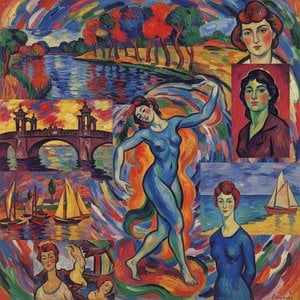
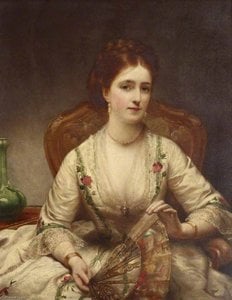
Graves’ involvement in the printmaking industry coincided perfectly with the emergence of Impressionism—a revolutionary movement that challenged academic conventions and championed fleeting moments of light and color. Influenced by artists like Claude Monet and Frédéric Bazille, Graves embraced Impressionistic techniques, prioritizing atmospheric effects over precise representation. He skillfully captured the beauty of coastal landscapes and urban scenes, employing loose brushstrokes and vibrant palettes to convey a sense of immediacy and emotion.- Notable Paintings: Graves produced approximately 71 paintings during his lifetime, many of which are housed in prestigious institutions such as the Royal Academy and the Musée Richard Anacréon. His works include evocative depictions of Cornish coastlines, serene interiors bathed in sunlight, and portraits that reveal remarkable psychological insight.
- Technique & Style: Graves’ Impressionistic style is characterized by a meticulous observation of nature combined with an expressive handling of paint—a hallmark of the era. He meticulously studied the interplay of light and shadow, striving to capture the ephemeral qualities of visual experience.
Collaboration & Legacy: Graves & Co.’s Influence on British Art
Graves’ partnership with Francis Graham Moon and Thomas Boys established Hurst, Robinson & Co., which played a pivotal role in shaping the landscape of Victorian art publishing. The firm championed innovative artists and promoted groundbreaking ideas, fostering a vibrant artistic dialogue within London society. Furthermore, Graves' dedication to documenting and disseminating Impressionistic imagery helped solidify its position as one of Britain’s foremost artistic movements.- Royal Academy Exhibitions: Graves consistently participated in Royal Academy exhibitions throughout his career, showcasing his paintings alongside the works of fellow Impressionists—a testament to his commitment to artistic excellence and collaboration.
- Impact on Artistic Discourse: Hurst, Robinson & Co.’s publications fueled debates about artistic conventions and encouraged artists to experiment with new approaches—leaving an indelible mark on British art history.
Recognition & Remembrance
Henry Richard Graves died in London on November 18, 1892, leaving behind a legacy of artistic achievement and entrepreneurial vision. His paintings continue to inspire admiration for their beauty and technical mastery—serving as enduring reminders of the Victorian era’s embrace of Impressionism and its celebration of natural splendor. Today, his work resides in museums across Europe and North America, ensuring that his contribution to British art history will be remembered for generations to come.Questions & Answers
Where can I see Henry Richard Graves's artworks in chronological order?
A timeline of Henry Richard Graves's works exists: the artist's Artwork Timeline page orders the artworks by creation date.
Where can I see Henry Richard Graves's artworks arranged by atmosphere?
The Mood Room of Henry Richard Graves is a page that arranges the artist's artworks by mood.
How do I find all works by Henry Richard Graves in a given medium?
To find all works by Henry Richard Graves in a given medium, use the artist's All Medium page.