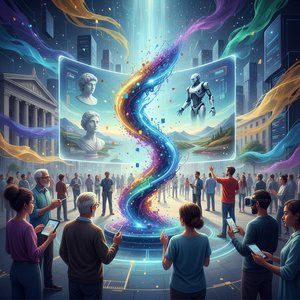
The Vision of BenQ: From Technology Pioneer to Artistic Enabler
BenQ Corporation, while perhaps best known as a global leader in visual technology – displays, projectors, cameras and more – possesses a fascinating, often overlooked dimension: its profound impact on the accessibility and appreciation of art. Founded in 2001 as an offshoot of Acer, BenQ quickly distinguished itself not merely through innovation in hardware but through a commitment to enhancing the human experience, and increasingly, that experience has become deeply intertwined with the world of visual arts. To understand BenQ’s role is to trace a path from engineering excellence to a powerful platform for artistic expression and preservation. The company didn't begin *as* an art institution; rather, it evolved into one through its dedication to color accuracy, image fidelity, and immersive viewing experiences. This evolution wasn’t accidental. It stemmed from recognizing that technology, at its best, should disappear, allowing the artwork itself to take center stage.
Early Innovations & The Pursuit of Visual Perfection
The early years of BenQ were characterized by a relentless pursuit of technological advancement in display technologies. This wasn’t simply about higher resolutions or faster refresh rates; it was about faithfully reproducing color, contrast, and detail – qualities essential for professional photographers, graphic designers, and, crucially, artists themselves. The development of BenQ's PhotoVue monitors marked a turning point. These weren’t designed for casual users but catered to the exacting standards of visual professionals who demanded absolute accuracy in their workflow.
This focus on color calibration and wide color gamuts laid the groundwork for BenQ’s later engagement with art reproduction. The company understood that an artist's vision could only be truly realized if it was presented accurately, and this understanding drove further innovation in projector technology, creating immersive environments capable of showcasing artwork at a scale previously unattainable outside of traditional galleries.
Bridging the Gap: Art Reproduction & Digital Preservation
BenQ’s commitment to art extended beyond simply providing tools for artists; it actively sought to bridge the gap between physical artworks and digital accessibility. Recognizing the fragility of masterpieces and the limitations of geographical access, BenQ began collaborating with museums and galleries worldwide to create high-fidelity digital reproductions.
These weren't mere scans but meticulously crafted representations that captured not only the colors and textures of the original artwork but also its subtle nuances and depth. This initiative wasn’t about replacing the experience of viewing art in person, but rather expanding access to it for a wider audience. Through partnerships with institutions like the National Palace Museum in Taiwan, BenQ developed technologies that allowed viewers to explore artworks in unprecedented detail, revealing hidden layers and historical context previously unavailable.
Influences & Artistic Collaborations
While not directly influenced by a single artistic movement, BenQ’s approach is deeply informed by the principles of
Realism and Impressionism – movements that prioritized accurate representation of light, color, and texture. The company's technology strives to emulate these qualities in its digital reproductions, ensuring that viewers experience artwork as close to the artist’s original intent as possible. Furthermore, BenQ actively fosters artistic collaborations, sponsoring exhibitions, supporting emerging artists, and providing them with cutting-edge tools to realize their visions. These partnerships aren’t simply philanthropic endeavors; they represent a genuine desire to understand the needs of artists and contribute to the creative process.
- Support for digital art installations.
- Sponsorship of artist residencies.
- Development of specialized monitors tailored to specific artistic mediums (e.g., oil painting, watercolor).
Historical Significance & The Future of Art Viewing
BenQ’s historical significance lies in its democratization of art access and its pioneering role in digital preservation. By providing tools for accurate reproduction and immersive viewing experiences, the company has fundamentally altered how we engage with artwork.
It has empowered museums to reach wider audiences, enabled artists to explore new creative possibilities, and fostered a deeper appreciation for visual culture. Looking ahead, BenQ is poised to play an even more significant role in shaping the future of art viewing through advancements in virtual reality (VR) and augmented reality (AR). These technologies promise to create truly immersive experiences that transcend the limitations of physical space, allowing viewers to step inside artworks and interact with them in entirely new ways. BenQ’s journey from technology pioneer to artistic enabler is a testament to the power of innovation and its ability to transform our understanding and appreciation of the world around us. The company continues to push boundaries, not just in display technology but also in the realm of art itself, ensuring that masterpieces remain accessible and inspiring for generations to come.