Early Life and Artistic Beginnings
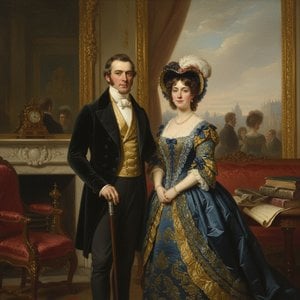
Barton Stone Hays, born April 5th, 1826 in Greenville, Ohio, emerged as a significant figure in the landscape of early Indiana art—a testament to self-taught dedication and an unwavering passion for capturing the world around him. Unlike many artists of his time who benefited from formal training, Hays embarked on his artistic journey through sheer observation and practice. He initially focused on portraiture, diligently rendering the faces of those within his community in Ohio, building a reputation for his ability to convey likeness and character. This early work provided not only a means of livelihood but also a crucial foundation in understanding anatomy, light, and shadow—skills that would prove invaluable as his artistic interests broadened. Hays’s commitment to capturing the essence of individuals foreshadowed his later sensitivity towards detail and atmosphere in both landscapes and still life compositions. The burgeoning abolitionist movement likely influenced his work during this period; he notably created two panoramas relating to *Uncle Tom's Cabin* shortly after its publication, works that garnered considerable attention for their powerful subject matter and artistic execution.Indianapolis and the Cultivation of a New Generation
The year 1858 marked a pivotal shift in Hays’s career as he relocated to Indianapolis. Here, he entered into partnership with daguerreotypist William Runnion, establishing “Hays & Runnion,” which quickly became a leading photographic studio in the city. While continuing his portrait work, Hays recognized the importance of artistic education and dedicated himself to nurturing emerging talent. He taught at McLean’s Female Seminary and privately mentored several students who would go on to achieve prominence in the art world—most notably William Forsyth, John Elwood Bundy, and the celebrated William Merritt Chase. This commitment to pedagogy underscores Hays's belief in the power of artistic transmission and his role as a catalyst for the development of Indiana’s vibrant art community. His influence extended beyond technical instruction; he instilled in his students an appreciation for observation, composition, and the expressive potential of paint. In 1869, Hays received a prestigious commission to create a portrait of William Henry Harrison, former Governor of Indiana and President of the United States—a testament to his growing reputation as one of Indianapolis’s leading painters.A Transition to Still Life and Atmospheric Realism
After periods spent in Cincinnati and returning to Indianapolis, Hays made a final move in 1882, settling in Minneapolis, Minnesota. This relocation coincided with a significant shift in his artistic focus—a transition from portraiture and landscapes towards the genre of still life painting. While he continued teaching, his personal work increasingly centered on small-scale compositions featuring realistically rendered fruit set against soft, atmospheric backgrounds. These paintings are characterized by their meticulous attention to detail, subtle gradations of light, and a quiet sense of intimacy. Hays’s still lifes were not merely depictions of objects; they were explorations of texture, form, and the ephemeral beauty of everyday life. He masterfully captured the delicate blush of an apple or the translucent glow of grapes, imbuing these humble subjects with a remarkable sense of presence. This period represents the culmination of his artistic development—a refined aesthetic sensibility honed through years of practice and observation.Legacy and Historical Significance
Barton Stone Hays passed away in Minneapolis on March 14th, 1914, leaving behind a legacy as both an accomplished artist and a dedicated educator. His work provides valuable insight into the artistic currents of 19th-century America—a period marked by the rise of realism and a growing appreciation for indigenous subject matter. Hays’s portraits offer glimpses into the lives of early Indiana citizens, while his landscapes capture the beauty of the American countryside. However, it is his still lifes that have garnered increasing attention in recent years, recognized for their exquisite detail, atmospheric quality, and quiet emotional resonance. He stands as a compelling example of a self-taught artist who not only achieved personal success but also played a crucial role in fostering the development of a new generation of American painters. His influence can be seen in the work of his students—William Forsyth, John Elwood Bundy, and William Merritt Chase—who went on to become leading figures in the art world. Hays’s portrait of William Henry Harrison remains an important part of Indiana's official collection, serving as a lasting tribute to his artistic skill and historical significance.Key Characteristics & Influences
- Self-Taught Mastery: Hays’s success was rooted in dedicated self-study and observation, demonstrating the power of innate talent combined with relentless practice.
- Portraiture as Foundation: His early work in portraiture provided a crucial grounding in anatomy, light, and shadow—skills that informed his later landscapes and still lifes.
- Commitment to Education: Hays’s dedication to teaching and mentoring young artists—including William Forsyth, John Elwood Bundy, and William Merritt Chase—established him as a pivotal figure in the Indiana art community.
- Atmospheric Realism: His later still lifes are characterized by meticulous detail, subtle gradations of light, and a quiet sense of intimacy, creating a remarkable sense of presence.
- Influence of Abolitionism: Early works like the panoramas relating to *Uncle Tom's Cabin* suggest an engagement with social issues and a willingness to address powerful themes through art.