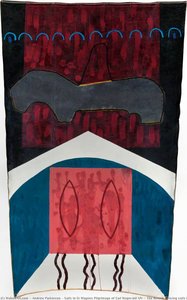
A Systems-Based Exploration of Identity: The Art of Andrew Parkinson
Andrew Parkinson is a contemporary British artist whose work occupies a fascinating space between abstraction, figuration, and the meticulous observation of the natural world. While his name may appear alongside others—a soccer player, a basketball star—this Andrew Parkinson dedicates himself to painting systems, exploring themes of identity, repetition, and the subtle shifts within perceived similarity. Based in Nottingham, UK, Parkinson’s artistic journey is unique; it intertwines a professional life as a learning consultant with a deeply personal visual practice rooted in ‘systems thinking.’ This intersection informs his canvases, creating works that are both intellectually stimulating and emotionally resonant.
Parkinson's approach isn’t about recreating reality but rather dissecting the underlying structures that govern it. He doesn’t seek to depict a specific landscape or object so much as the *patterns* within those forms. This is evident in his series of paintings, often titled with geographic references like “Berkeley Square,” which aren’t literal representations of places but explorations of how visual information repeats and transforms across different compositions. The use of oil on canvas allows for rich layering and subtle gradations of color, creating a sense of depth and movement that draws the viewer into the intricacies of his systems.
Early Influences and Development
While biographical details remain somewhat elusive—Parkinson maintains a focus on the work itself rather than personal narrative—it’s clear that his background in learning consultancy has profoundly shaped his artistic vision. Systems thinking, a methodology used to understand complex relationships within organizations, translates directly into his paintings. He views both the learner and the organization as interconnected systems, mirroring how elements within his canvases relate to one another. This conceptual framework allows him to explore abstract themes—identity, similarity, repetition—not as isolated concepts but as inherent qualities of any system.
The influence of wildlife photography is also significant. Parkinson’s keen eye for detail and ability to capture the essence of natural forms are apparent in his work, even though his paintings aren't direct copies of photographs. Instead, they distill the underlying structures and patterns found in nature, creating a sense of organic complexity that feels both familiar and otherworldly. This is not merely about aesthetic representation; it’s about understanding how these systems function and how they relate to broader concepts of identity and perception.
Major Achievements and Artistic Style
Parkinson's work stands out for its quiet intensity and intellectual rigor. He doesn’t rely on dramatic gestures or overt symbolism, instead favoring a more subtle approach that rewards careful observation. His paintings often feature geometric shapes and repeating motifs, creating a sense of rhythm and harmony. The color palettes are typically muted, with blues, browns, and grays dominating his canvases. This restrained use of color allows the viewer to focus on the underlying structures and patterns within the work.
He has garnered recognition for his unique approach, attracting attention from art enthusiasts and critics alike. While a comprehensive exhibition history is not widely documented, Parkinson’s presence in online art communities and curated collections demonstrates a growing appreciation for his distinctive style. His ability to blend intellectual concepts with aesthetic beauty sets him apart as a contemporary artist who challenges conventional notions of representation.
Historical Significance and Contemporary Relevance
In an era saturated with images, Andrew Parkinson’s work offers a refreshing alternative—a focus on underlying structures rather than superficial appearances. His exploration of identity and repetition resonates deeply in a world grappling with questions of authenticity and individuality. By dissecting the patterns that govern our perception, he invites viewers to question their own assumptions about reality.
Parkinson’s contribution lies not in creating visually stunning images but in prompting intellectual engagement. His paintings are systems for contemplation, inviting us to explore the complexities of identity and the subtle shifts within perceived similarity. As a UK-based artist working at the intersection of art and learning, he represents a new generation of creatives who challenge traditional boundaries and embrace interdisciplinary approaches. His work is a testament to the power of observation, the beauty of patterns, and the enduring relevance of systems thinking in understanding our world.