FREE ART CONSULTATION

x

Quick Facts

  • Born: 1780, Geneva, Switzerland
  • Died: 1860
  • Museums on APS:
    • Royal College of Music Museum
    • Royal College of Music Museum
    • Royal College of Music Museum
    • Royal College of Music Museum
    • Royal College of Music Museum
  • Works on APS: 50
  • Top-ranked work: Fanny Persiani
  • More…
  • Lifespan: 80 years
  • Top 3 works:
    • Fanny Persiani
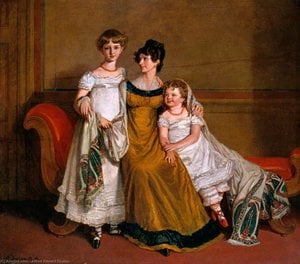
    • Portrait Of A Woman With Two Children In A Domestic Interior
    • Girl Reading A Letter
  • Nationality: Switzerland
  • Copyright status: Public domain
  • Art period: 19th Century

Art Quiz

There is only one correct answer for each question.

Question 1:
In what year was Jean-Auguste-Dominique Ingres born?
Question 2:
Which artistic movement is most closely associated with the work of Jean-Auguste-Dominique Ingres?
Question 3:
What type of painting was Jean-Auguste-Dominique Ingres particularly known for?
Question 4:
Joseph Highmore is best known for his portraits, but he also contributed to which other field?
Question 5:
In 1780, the Royal Academy held its first exhibition in what location?

Jean-Auguste-Dominique Ingres: A Master of Line and Illusion

Jean-Auguste-Dominique Ingres, born in Montauban in 1780, stands as a pivotal figure in the transition between Neoclassicism and Romanticism. His life was one dedicated to rigorous study of artistic tradition, culminating in a distinctive style characterized by meticulous line work, precise draughtsmanship, and an almost obsessive attention to detail. Unlike many of his contemporaries who embraced the emotional intensity of the Romantic movement, Ingres remained steadfastly committed to the ideals of classical beauty and order, becoming, in effect, the guardian of academic artistic standards for much of the 19th century. His legacy extends far beyond his own time, profoundly influencing generations of artists with his innovative approach to form, composition, and color. Ingres’s early years were marked by a disciplined education, fostered by his father, a lawyer who recognized his son's artistic talent. He moved to Paris in 1802, enrolling at the atelier of Jacques-Louis David, the leading painter of the era. This training instilled in him a deep respect for classical art and technique, shaping his approach to painting for the rest of his career. David’s influence is evident in Ingres's early works, particularly his 1806 entry into the Prix de Rome competition with *The Ambassadors of Agamemnon in the tent of Achilles*. This piece, a complex allegorical scene steeped in classical mythology, demonstrated his burgeoning skill and established him as a promising young artist. However, it was his subsequent work in Italy – from 1806 to 1824 – that truly solidified his artistic vision, exposing him to the masterpieces of the Renaissance and Baroque periods. He meticulously copied works by Raphael, Michelangelo, and Correggio, absorbing their techniques and incorporating them into his own style. This period also saw the development of his signature style: a deliberate restraint in color, a preference for clear, precise lines, and an almost sculptural quality to his figures. Ingres’s career was often characterized by both acclaim and criticism. While he achieved considerable success with portraits and historical paintings – including *The Vow of Louis XIII* (1824) – he frequently faced resistance from the more avant-garde critics of the Salon, who found his style overly formal and lacking in emotional depth. His meticulous approach to composition, often employing a pyramidal structure reminiscent of Raphael, was seen as rigid and outdated by those embracing the expressive freedoms of Romanticism. Despite this opposition, Ingres persisted, continuing to produce works that showcased his extraordinary technical skill and unwavering commitment to classical principles. He became increasingly known for his portraits, particularly his striking depictions of figures like Monsieur Bertin (1833-1835), which are celebrated for their psychological insight and exquisite detail. His later works, such as *The Turkish Bath* (1867), demonstrate a shift towards a more sensual and evocative style, yet retain the hallmarks of his distinctive approach – precise lines, carefully rendered textures, and an almost photographic realism. Ingres’s influence on subsequent generations of artists is undeniable. His emphasis on line and draughtsmanship profoundly impacted painters like Henri Matisse, who admired Ingres's ability to convey form through a network of precise lines. Pablo Picasso, too, acknowledged Ingres as a key figure in his artistic development, particularly during his early period when he studied Ingres’s drawings with intense scrutiny. Ingres’s meticulous attention to detail and his rigorous approach to composition served as a model for artists seeking to master the fundamentals of painting. Beyond individual influence, his work helped to shape the course of art history, establishing a standard of technical excellence that continues to be revered today. His legacy is not simply one of artistic skill but also of unwavering dedication to a particular vision—a testament to the power of tradition and the enduring appeal of classical beauty.

Key Works & Artistic Developments

  • Early Works (1806-1824): *The Ambassadors of Agamemnon in the tent of Achilles* (1806), demonstrating his early mastery of composition and allegory; numerous copies of works by Raphael, Michelangelo, and Correggio reflecting his deep study of classical art.
  • Portraiture: His portraits, such as *Monsieur Bertin* (1833-1835), are renowned for their psychological depth and technical precision. These works showcase his ability to capture the essence of his subjects through subtle gestures and expressions.
  • Historical Paintings: *The Vow of Louis XIII* (1824) – a complex allegorical scene reflecting his commitment to classical themes; *Napoleon I on His Imperial Throne* (1806), showcasing his ability to render monumental figures with remarkable detail.
  • Late Works (1850s-1867): *The Turkish Bath* (1867) – a departure from his earlier style, incorporating a more sensual and evocative approach while retaining his characteristic precision and attention to detail.

Historical Context & Artistic Movements

Ingres’s career unfolded during a period of significant artistic transition. The late 18th century witnessed the rise of Neoclassicism, inspired by the rediscovery of classical art and architecture. This movement emphasized order, reason, and restraint, rejecting the emotional excesses of the Baroque era. However, as the 19th century progressed, Romanticism emerged as a counter-movement, celebrating emotion, imagination, and individualism. Ingres navigated this shifting landscape, maintaining his allegiance to Neoclassical principles while subtly incorporating elements of Romanticism into his work. His meticulous attention to detail and his emphasis on formal structure provided a counterbalance to the more expressive tendencies of the Romantics, solidifying his position as a key figure in bridging the gap between these two artistic movements. The Royal Academy Exhibition of 1780 marked an important early event in his career, showcasing his talent within the established framework of academic art.

Legacy & Influence

Ingres’s influence on subsequent artists is profound and enduring. His rigorous approach to draughtsmanship and composition served as a model for generations of painters seeking to master the fundamentals of their craft. Artists like Henri Matisse and Pablo Picasso acknowledged Ingres's importance, drawing inspiration from his meticulous line work and his ability to convey form through precise details. Beyond individual influence, Ingres’s commitment to classical principles helped to shape the course of art history, establishing a standard of technical excellence that continues to be admired today. His legacy extends beyond mere artistic skill; it represents a steadfast dedication to a particular vision—a testament to the power of tradition and the enduring appeal of classical beauty.