Arrival at the Threshold of Nature
 Landscape painting
Landscape painting, also known as landscape art, is the depiction in painting of natural scenery such as mountains, valleys, rivers, trees, and forests, especially where the main subject is a wide view—with its elements arranged into a coherent compo...
To look upon a landscape is to enter into a silent dialogue with the earth. It is an act of pausing, a deliberate withdrawal from the frantic rhythms of modern existence to witness the slow, unhurried movements of the natural world. Throughout art history, the depiction of scenery has functioned as more than mere documentation; it has acted as a vessel for human emotion and spiritual inquiry. Through the meticulous rendering of a mountain peak or the soft, blurred edges of a morning mist, these works offer a sanctuary of stillness. We do not merely observe these scenes; we inhabit them, finding in their compositions a sense of order and peace that lifts the spirit above the noise of our daily lives.
The Architect of Vistas: Joachim Patinir and the Early Northern View
 Joachim Patinir
A Pioneer of the Northern Renaissance Landscape Joachim Patinir, a name often whispered alongside that of Albrecht Altdorfer as a foundational figure in landscape painting, emerged from the artistic milieu of the Low Countries during the early 16th c...
English Pastoralism: Light, Shadow, and the Rural Soul
 Samuel Bough
Early Life and Artistic Beginnings Samuel Bough, born in Carlisle, England in 1822, was destined to become one of the most celebrated landscape painters of his generation. His early life unfolded against the backdrop of a rapidly industrializing Brit...
By the late nineteenth century, the approach to landscape underwent a radical shift. The Impressionists abandoned the controlled shadows of the studio for the unpredictable brilliance of en plein air painting. They sought the ephemeral—the precise sensation of a single moment before the light shifts. This movement prioritized the sensory truth of color and atmosphere over photographic precision.
Claude Monet’s series paintings, from haystacks to water lilies and the Rouen Cathedral, demonstrate this obsession with the changing qualities of light. Pierre-Auguste Renoir’s 'Nude in a Landscape' similarly captures a sense of idyllic beauty through soft brushwork and luminous color. In these hands, the landscape becomes a living entity of light and movement.
Chromatic Calm: The Impressionist Pursuit of Tropical Light
 Martinique Landscape
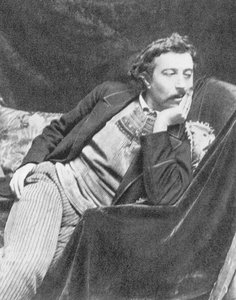
Captivating Subject and Lush Landscape Immerse yourself in the vibrant beauty of a tropical paradise captured through the masterful brushwork of Paul Gauguin. This evocative scene depicts the lush, mountainous terrain of Martinique, where the natural...
The Alpine Divide: Texture and Spirit in Segantini’s Heights
 Gottardo Segantini
Early Life and Artistic Beginnings Gottardo Segantini’s story is inextricably linked to the towering figure of his father, Giovanni Segantini, one of the most celebrated Symbolist painters of the late 19th century. While often discussed in relation t...
A Permanent Sanctuary: Curating Tranquility in Contemporary Spaces
 Art Association of Richmond
A Sanctuary of Light and Legacy Nestled within the heart of Indiana’s picturesque landscape, the Art Association of Richmond stands as a profound testament to the enduring power of community engagement and the dedicated preservation of American artis...
The value of these landscapes extends beyond the museum walls; they possess a capacity to alter the atmosphere of the rooms we inhabit. In an era defined by rapid technological shifts and constant distraction, integrating works of such profound stillness into a home or professional space offers a necessary anchor. A large-scale reproduction of a Cézanne or a delicate print of a pastoral scene provides an organic texture that settles into modern architecture.
For the collector or the interior designer, selecting art that evokes this sense of peace requires an understanding of both color and composition. A well-placed landscape can act as a focal point for contemplation, much like the intentional design of the Art Association of Richmond, where light is used to highlight the beauty of American Impressionism. This selection is a matter of stewardship. To bring such works into a private collection, one must look to the integrity of the execution. Hand-painted oil reproductions, executed on cotton canvas by artists trained in the classical tradition, aim to honor the original brushwork and tonal depth of the masters. Whether through a bespoke commission or a carefully chosen print, the goal remains the same: to find a sense of sanctuary within the history of art.