The Eternal Gaze: Understanding the Psychological Depth of Portraiture
To stand before a true portrait is to engage in a silent, profound dialogue with a soul that may have long since departed the physical realm. Beyond the mere recording of facial features or the documentation of aristocratic finery, the highest form of portraiture seeks to capture the intangible essence of the sitter—their temperament, their hidden sorrows, and their quiet triumphs. This psychological depth is what elevates a simple likeness into a masterpiece. When we gaze into the eyes of a subject, we are not merely observing pigment on canvas; we and are witnessing a preserved moment of human consciousness.
The mastery of this connection lies in the artist's ability to interpret character through subtle nuances. A slight tension in the jaw, the specific tilt of a head, or the heavy lid of an eye can communicate volumes of unspoken narrative. In the history of art, the portrait has served as a mirror not only for the individual but for the era itself, reflecting the shifting values of society from the rigid hierarchies of the past to the introspective complexities of the modern age. It is this pursuit of truth—the search for the spirit beneath the skin—that ensures the enduring power of the portraiture genre.
Techniques of the Masters: From Baroque Drama to Neoclassical Precision
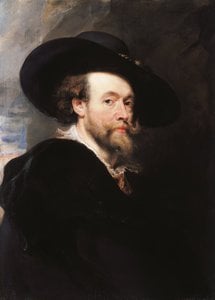
The evolution of portraiture is a testament to the incredible versatility of oil painting as a medium. During the Baroque era, artists embraced a sense of theatricality and movement, utilizing rich textures and dynamic compositions to evoke emotion. Consider the works of the Dutch Golden Age, where painters like Gonzales Coques utilized realism to breathe life into their subjects, creating a sense of palpable presence through meticulous detail. These works often employed a certain drama, using deep, saturated hues to ground the subject in a world that felt both heavy and significant.
In contrast, the Neoclassical movement sought a return to order, clarity, and the idealized forms of antiquity. Here, the brushwork became more controlled, emphasizing clean lines and a smooth, almost porcelain-like finish on the skin. This era prioritized a sense of dignity and permanence, stripping away the exuberant flourishes of the Baroque in favor of a structured, intellectual elegance. Whether through the nostalgic charm found in works like Richard Augustus Clack’s Portrait of a Young Man or the formal, meticulous detail seen in Ammi Phillips’ 18th-century studies, the technique employed is always a deliberate choice designed to direct the viewer's emotional response.
The Alchemy of Light and Shadow: Chiaroscuro and the Sculpting of Form
Perhaps no technique is more vital to the creation of depth in portraiture than chiaroscuro—the dramatic interplay between light and dark. This alchemical process allows the artist to sculpt form out of the darkness, using light not merely to illuminate, but to define. By strategically placing highlights upon the bridge of a nose or the curve of a cheek, the painter creates a three-dimensional illusion that pulls the subject forward from the canvas, inviting the viewer into their personal space.
This manipulation of light serves a dual purpose: it provides structural integrity to the face and imbue the scene with atmosphere. In many masterworks, the shadows are not merely black voids but are composed of deep umbers, sienna, and even cool blues, creating a sense of breathable air around the subject. This technique creates a sense of mystery; what remains hidden in the shadows is often just as important as what is revealed by the light. It is through this delicate balance that an artist achieves the "living" quality of a painting, making the skin appear translucent and the gaze appear piercingly real.
Beyond the Surface: The Evolution of Portraiture from Status Symbol to Soulful Expression
Historically, the portrait functioned as a vital instrument of social currency. For the nobility and the rising merchant classes, a commissioned oil painting was an assertion of power, wealth, and lineage. Every element of the composition—the lace of a collar, the sheen of silk, or the presence of a family crest—was carefully curated to signal status. The portrait was a public face, a carefully constructed mask of prestige designed to endure through generations.
Preserving the Legacy: The Art of Curating and Maintaining Masterpiece Reproductions
For the modern collector, the challenge lies in bringing this historical grandeur into contemporary spaces without compromising the integrity of the art. Preserving the "soul" of a reproduction requires an appreciation for the technical nuances that distinguish a true masterpiece from a mere print. A high-quality oil reproduction is characterized by its tactile nature—the visible, rhythmic brushstrokes and the impasto texture that catch the light, much like the original museum pieces.
To ensure these works remain vibrant for generations, one must understand the science of longevity. The use of premium pigments with high lightfastness and heavy-duty cotton canvases is essential to prevent the fading and cracking that can plague lesser works. Furthermore, protecting such investments involves mindful curation: avoiding direct sunlight and utilizing acid-free materials. When we treat these reproductions with the reverence they deserve, we do more than decorate a room; we curate an environment of historical continuity, allowing the profound beauty of the Old Masters to breathe within our modern lives.