The Enduring Appeal of Classical Art in Modern Design
For centuries, classical art has represented the pinnacle of aesthetic achievement – a legacy of form, balance, and narrative power. While modern design often champions minimalism and innovation, dismissing tradition as outdated would be a significant oversight. The truth is that incorporating elements of classical art into contemporary interiors adds depth, sophistication, and a timeless quality that transcends fleeting trends. Consider Paul Cézanne’s ‘Leda with Swan’; its post-impressionist interpretation of a mythological subject introduces a sense of intellectual weight and artistic heritage to any space. The key lies not in replication, but in thoughtful integration.
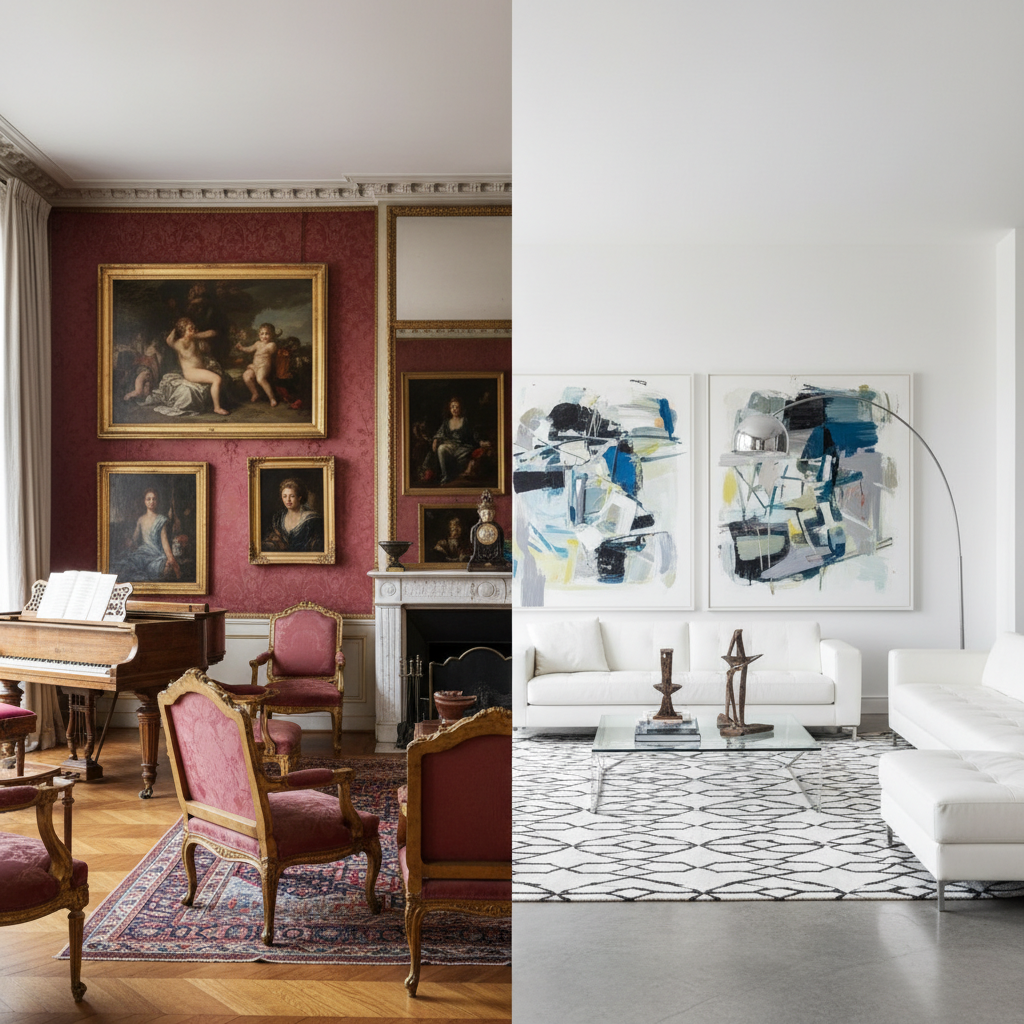
Classical motifs – think sculpted forms, architectural details, or even the subjects themselves (mythological scenes, portraits) – can provide striking counterpoints to modern furniture and décor. A reproduction of a Renaissance portrait above a sleek, minimalist sofa creates visual tension and sparks conversation. The juxtaposition highlights both styles, elevating their individual impact.
Modern Movements: Injecting Contemporary Flair into Your Space
The 20th and 21st centuries witnessed an explosion of artistic movements, each challenging conventions and redefining aesthetic boundaries. From the bold geometries of Cubism to the dreamlike landscapes of Surrealism, modern art offers a vast palette for contemporary interiors. Pablo Picasso’s ‘Costume Design for Ballet Tricorne’ exemplifies this dynamic energy – its angular forms and vibrant colors inject theatrical flair into any room.
Modern art isn't about coldness or austerity; it’s about expressing new perspectives and challenging the status quo. Art Deco, with its sleek lines and opulent materials, as seen in Tamara de Lempicka’s ‘Self-Portrait in the Green Bugatti,’ provides a glamorous touch to modern spaces. Abstract Expressionism can add energy and emotion through bold brushstrokes and color fields. The key is selecting pieces that resonate with your personal style and complement the overall design scheme.
Bridging the Gap: Harmonizing Classical & Modern Aesthetics
The most compelling interiors aren’t defined by strict adherence to a single style, but rather by a harmonious blend of influences. Successfully merging classical and modern elements requires careful consideration of color palettes, scale, and composition. A neutral backdrop – think soft grays, creams, or whites – provides a versatile canvas for both styles.
Here are some strategies to consider:
- Contrast & Complement: Pair classical sculptures with modern furniture; hang abstract paintings alongside traditional landscapes.
- Color Harmony: Echo colors from classical artworks in your upholstery, rugs, or accessories.
- Scale & Proportion: Ensure that the scale of artwork and furnishings is appropriate for the space. A large-scale modern painting can balance a room with high ceilings and classical architectural details.
- Thematic Resonance: Explore shared themes between different periods – mythology, portraiture, landscape – to create visual connections.
Key Artists to Know: From Cézanne to De Lempicka
Understanding the artists behind the movements is crucial for informed art selection. Paul Cézanne bridged the gap between Impressionism and modern art, influencing generations of painters with his innovative use of form and color. His works like ‘Bathers’ offer a sense of timeless beauty and intellectual depth.
Tamara de Lempicka captured the spirit of the Art Deco era with her glamorous portraits and sleek compositions. Giorgio de Chirico, a pioneer of Metaphysical art, created hauntingly evocative images like ‘Horse and Rider’ and ‘Teste di gladiatori,’ exploring themes of alienation and mystery. Amedeo Modigliani’s elongated figures, as seen in ‘Girl with Braids’, possess a unique emotional intensity. And Edgar Degas, through works like 'The Crucifixion (after Mantegna)', demonstrated a fascinating interplay between classical inspiration and Impressionist technique.
Creating a Balanced Interior: Practical Tips & Considerations
Ultimately, creating a balanced interior is about personal expression and achieving a sense of visual harmony. Don’t be afraid to experiment with different combinations and trust your instincts. Start small – perhaps with a single statement piece or a curated gallery wall.
Consider these practical tips:
- Lighting: Proper lighting is essential for showcasing artwork. Use spotlights to highlight key pieces and create dramatic effects.
- Framing: Choose frames that complement both the artwork and the surrounding décor.
- Placement: Consider eye level and sightlines when positioning artwork.
- Personal Connection: Select pieces that you genuinely love and that resonate with your personal story.
By thoughtfully integrating classical and modern art, you can create an interior that is both sophisticated and inviting – a space that reflects your unique style and celebrates the enduring power of artistic expression.