The Evolving Role of Art in Defining Hospitality Identity
 Hospital Rooms
Historical
For centuries, the spaces we inhabit have reflected our aspirations, beliefs, and cultural values. While functionality has always been paramount, the deliberate inclusion of art—from ancient frescoes adorning palace walls to carefully chosen sculptures gracing modern hotel lobbies—signals a deeper intention: to create an atmosphere that resonates with the human spirit. Historically, hospitality was intrinsically linked to displays of wealth and refinement; think of the opulent salons of Renaissance Italy or the grand halls of Victorian estates. Art wasn’t merely decorative; it *was* the experience, communicating status, taste, and a commitment to beauty. Today, however, the role of art in hospitality has undergone a subtle but profound shift. It's no longer solely about impressing guests with extravagance, but rather about forging genuine connections through carefully curated narratives that reflect a unique sense of place and brand identity.
The modern traveler isn’t simply seeking comfortable accommodations; they crave experiences—opportunities to immerse themselves in local culture, discover hidden gems, and create lasting memories. This demand has propelled art curation from a peripheral consideration to a central pillar of hospitality design. A thoughtfully chosen collection can transform a generic hotel room into a sanctuary, a bustling lobby into an inviting social hub, and an entire property into a destination unto itself. The key lies in understanding that art is not simply *in* the space; it *defines* the space.
Beyond Aesthetics: How Strategic Art Curation Impacts Guest Perception
 Elevating Experiences: The Transformative Power of Art in Hospitality Design
Discover how strategic art integration elevates hospitality design. Expert insights on curating collections, enhancing guest experiences & maximizing ROI. Learn more!
The impact of art on guest perception extends far beyond superficial aesthetics. Neurological studies have demonstrated that exposure to art stimulates emotional responses, enhances cognitive function, and even reduces stress levels. In a hospitality context, this translates into tangible benefits—increased guest satisfaction, longer stays, and positive word-of-mouth referrals. But how does one harness the power of art to achieve these outcomes? The answer lies in strategic curation.
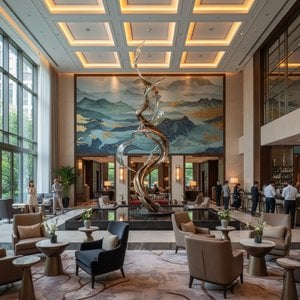
Consider the subtle psychology of color. Warm tones like ochre and terracotta evoke feelings of comfort and intimacy, ideal for creating a relaxing ambiance in guest rooms. Conversely, bold blues and greens can stimulate creativity and energy, perfect for communal spaces designed to foster interaction. The style of art also plays a crucial role. Abstract expressionism might appeal to a sophisticated clientele seeking intellectual stimulation, while impressionistic landscapes could evoke a sense of tranquility and connection with nature. Furthermore, the *context* in which art is presented is equally important. A striking sculpture placed prominently in the lobby immediately establishes a tone of luxury and refinement, whereas smaller, more intimate pieces can create a sense of discovery and personal connection within individual rooms.
The “Hospital Rooms” project—a fascinating historical example—demonstrates the profound impact art can have on well-being. By transforming sterile hospital environments with carefully selected artwork, they illustrate how aesthetic considerations can significantly improve patient experiences. This principle is directly applicable to hospitality; a curated collection isn’t just about visual appeal—it's about creating an emotional resonance that enhances the overall guest experience.
Sourcing & Commissioning: Building a Unique Art Collection for Your Property
 Corporate Services: Elevating Hospitality Design with Bespoke Art Solutions
Elevate your hotel's ambiance with Corporate Services. We provide bespoke art solutions – from custom reproductions to large-scale installations – tailored for luxury hospitality design. Expert consultation & seamless project management.
Building a truly distinctive art collection requires careful planning and a discerning eye. While purchasing established works from renowned artists can certainly elevate a property’s prestige, it's often more cost-effective—and ultimately more rewarding—to explore emerging talent or commission bespoke pieces tailored to your specific vision. The benefits of commissioning artwork are manifold. It allows you to create pieces that perfectly complement the architectural style and thematic narrative of your property, fostering a sense of exclusivity and authenticity.
Sourcing local artists is particularly advantageous. Not only does it support the creative community, but it also provides an opportunity to showcase regional culture and connect guests with the surrounding environment. Consider partnering with galleries or art consultants who specialize in hospitality projects; they can provide valuable insights into current market trends, artist availability, and logistical considerations. When commissioning artwork, clear communication is paramount. Provide artists with detailed briefs outlining your aesthetic preferences, thematic goals, and budgetary constraints. Regular check-ins and feedback sessions ensure that the final product aligns perfectly with your vision.
WahooArt.com offers a comprehensive range of services to facilitate this process, from sourcing established masterpieces to commissioning custom reproductions and original artwork. Our team of expert art advisors can guide you through every step, ensuring a seamless and stress-free experience.
Art as Storytelling: Connecting Guests to Place and Culture
The most impactful art collections are those that tell a story—a narrative that resonates with guests on an emotional level. This could involve showcasing the history of the local region, celebrating its artistic traditions, or exploring themes that reflect the property’s unique identity. For example, a coastal hotel might feature artwork inspired by marine life and nautical folklore, creating a sense of immersion in the surrounding environment. Similarly, a city hotel might showcase street photography capturing the vibrant energy of urban life.
Consider incorporating interactive elements to further enhance the storytelling experience. Rotating exhibitions featuring local artists provide an opportunity to engage guests with new perspectives and foster a sense of community. Guided art tours led by knowledgeable curators can offer deeper insights into the artwork’s historical context and artistic significance. Even simple descriptive plaques providing information about the artist and their inspiration can add value and encourage appreciation.
The Park Hotels in India exemplify this approach, seamlessly integrating contemporary Indian art into every aspect of the guest experience. Their commitment to supporting local talent and showcasing regional culture has not only enriched the atmosphere but also established a strong brand identity that resonates with discerning travelers.
Practical Considerations: Budget, Scale, and Installation Logistics
While artistic vision is paramount, practical considerations such as budget, scale, and installation logistics cannot be overlooked. Establishing a realistic budget early on is crucial for ensuring that your art curation project remains financially viable. Consider the cost of artwork acquisition, framing, shipping, insurance, and professional installation. Scale is another important factor. Larger properties will require more extensive collections than smaller boutique hotels.
Professional installation is essential for ensuring that artwork is displayed safely and effectively. A skilled installer can advise on optimal placement, lighting, and security measures. Consider the flow of traffic within the space and ensure that artwork is positioned to maximize its impact without obstructing pathways or creating visual clutter. Lighting plays a crucial role in highlighting artwork and enhancing its aesthetic appeal. Invest in high-quality spotlights or track lighting to create a dramatic effect.
WahooArt.com provides comprehensive project management services, handling all logistical aspects of art acquisition, framing, shipping, and installation, allowing you to focus on the creative vision.
Measuring ROI: The Tangible Benefits of Investing in Hospitality Art
While quantifying the impact of art can be challenging, there are several tangible benefits that demonstrate a clear return on investment. Increased guest satisfaction scores, longer stays, and positive word-of-mouth referrals are all indicators of success. Furthermore, strategically chosen artwork can enhance brand perception and attract a more discerning clientele.
Consider tracking social media engagement to gauge guest response to your art collection. Encourage guests to share photos of their favorite pieces using branded hashtags, creating organic marketing opportunities. Monitor online reviews for mentions of the artwork, providing valuable insights into what resonates with your audience. Ultimately, investing in hospitality art is not simply an expense—it's a strategic investment that enhances the overall guest experience and strengthens your brand identity.
At WahooArt.com, we believe that art has the power to transform spaces and create lasting memories. Our team of expert advisors can help you curate a collection that perfectly reflects your vision and elevates your hospitality environment to new heights. Explore our extensive library of artwork today and discover the transformative potential of strategic art curation.