

Hand-painted oil on canvas in your size and frame, made to order by our artists. ( Switch to Print Switch to Digital Image)





























Pick from our preset sizes that match the artwork's original proportions.

You may enter your own dimensions to fit a specific frame or space. If your selected size does not match the original image's proportions, we will either crop the artwork or extend the painting with additional hand-painted elements. A digital mockup will be sent for your approval before production begins.
Please note that the on-screen preview does not reflect the actual cropping or extension. Only the mockup will accurately show the final composition.
While custom sizes are available, we recommend selecting a dimension from the predefined list to preserve the original proportions.
Worldwide Delivery () in 3/4 weeks instead of standard 5 weeks. (8 September). No compromise on quality.


The Thirty-Six Immortal Poets (1 of a pair)
Reproduction Size
In the quiet, contemplative corridors of the Denver Art Museum, there exists a window into the soul of Edo-period Japan through Itō Jakuchū’s masterpiece, The Thirty-Six Immortal Poets. Created in 1798, this breathtaking work—the first of an exquisite pair—serves as more than just a visual record; it is a lyrical journey through the heights of Japanese literary history. The painting unfolds as a series of vignettes, each capturing a fleeting moment or a profound scene from the lives of these legendary poets. To gaze upon this work is to witness a delicate dance between the written word and the painted brush, where every stroke of ink seeks to translate the ephemeral beauty of classical poetry into a tangible, visual feast.
The composition is a marvel of narrative complexity, presenting ten distinct scenes that weave together a larger story of cultural heritage. Each miniature landscape or character study acts as a portal, inviting the viewer to step back into an era defined by refined aesthetics and deep spiritual resonance. The artist utilizes a sophisticated approach to detail, where the subtle interplay of light and shadow breathes life into the figures, making the historical weight of the poets feel immediate and intimate. For the discerning collector or interior designer, this piece offers a profound sense of depth, acting as a focal point that commands attention through its intricate storytelling and rhythmic arrangement.
Itō Jakuchū was never an artist bound by the rigid constraints of tradition. Born into a prosperous merchant family in Kyoto, he possessed a unique perspective shaped by both the vibrant energy of the Nishiki market and the meditative stillness of Zen Buddhist philosophy. This duality is palpable in his technique; while his precision reflects a disciplined mastery of classical Japanese aesthetics, there is an unmistakable "eccentricity" in his vision that sets him apart from his contemporaries. In The Thirty-Six Immortal Poets, we see this brilliance manifested in the vibrant use of color and the meticulous rendering of natural elements, which serve as symbolic backdrops to the poets' legacies.
The technique employed here is a testament to Jakuchū’s ability to harmonize the minute with the monumental. His brushwork possesses a rhythmic vitality, capturing the textures of silk, the softness of nature, and the gravity of human emotion. For those looking to adorn a space with art that inspires conversation, this reproduction captures that rare essence of wabi-sabi—the beauty found in the transient and the imperfect. The presence of such a work in a room brings an air of scholarly elegance and timeless sophistication, bridging the gap between the historical splendor of 18th-century Japan and the modern aesthetic pursuit of tranquility and grace.
Owning a reproduction of such caliber is an invitation to inhabit a world of poetic splendor. The emotional impact of Jakuchū’s work lies in its ability to evoke nostalgia for a lost era of refinement, making it an ideal selection for those who curate environments centered on mindfulness and cultural richness. Whether placed in a sunlit study or a grand salon, the painting serves as a continuous dialogue between the past and the present.
For interior designers seeking to create a narrative within a space, this artwork provides:


1716 - 1800 , Japan

Explore the ephemeral beauty of Japanese Ukiyo-e art. From the dynamic warriors of Kuniyoshi to serene landscapes, discover the profound history, masterful techniques, and global influence of these iconic woodblock prints in our deep cultural retrospective.

Embark on a cultural journey through Japan's Edo Period. Discover the profound beauty of Ukiyo-e masters like Kuniyoshi and Toshinobu, exploring the vibrant legacy of Kabuki and Sumo through an art-history lens for the true classic art enthusiast.

Explore the profound beauty of Japanese landscape painting. From Hokusai's iconic vistas to Zen-inspired compositions, discover the spiritual depth and historical mastery of Ukiyo-e art in this expert cultural retrospective.
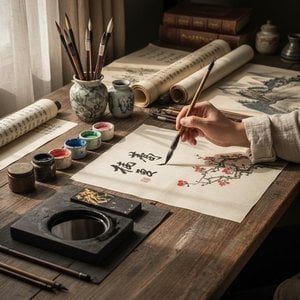
Embark on a sophisticated exploration of ink wash painting and Sumi-e. Uncover the profound historical lineages, Zen philosophies, and technical mastery behind this timeless medium in our authoritative guide for fine art enthusiasts.

Explore the profound beauty of Japanese Ukiyo-e art. Discover the legacy of Hokusai and the Utagawa school through an expert exploration of Edo-period aesthetics, seasonal motifs, and the enduring global influence of Japan's 'Floating World' on fine art history.

 Preview
 Send
Send Share
Share
 Details

 Download
 Similars
 X-Ray
X-Ray Diaporama
 Stats
Stats


 Read More







 Glass option is only available in size under 110 CM


