Sell
x
PreviewPreview AR previewAR preview Buy Print Buy PrintBuy Image Buy Image SendSend
DetailsDetails Add to favorites Add to favorites DownloadDownload SimilarsSimilars X-RayX-Ray DiaporamaDiaporama

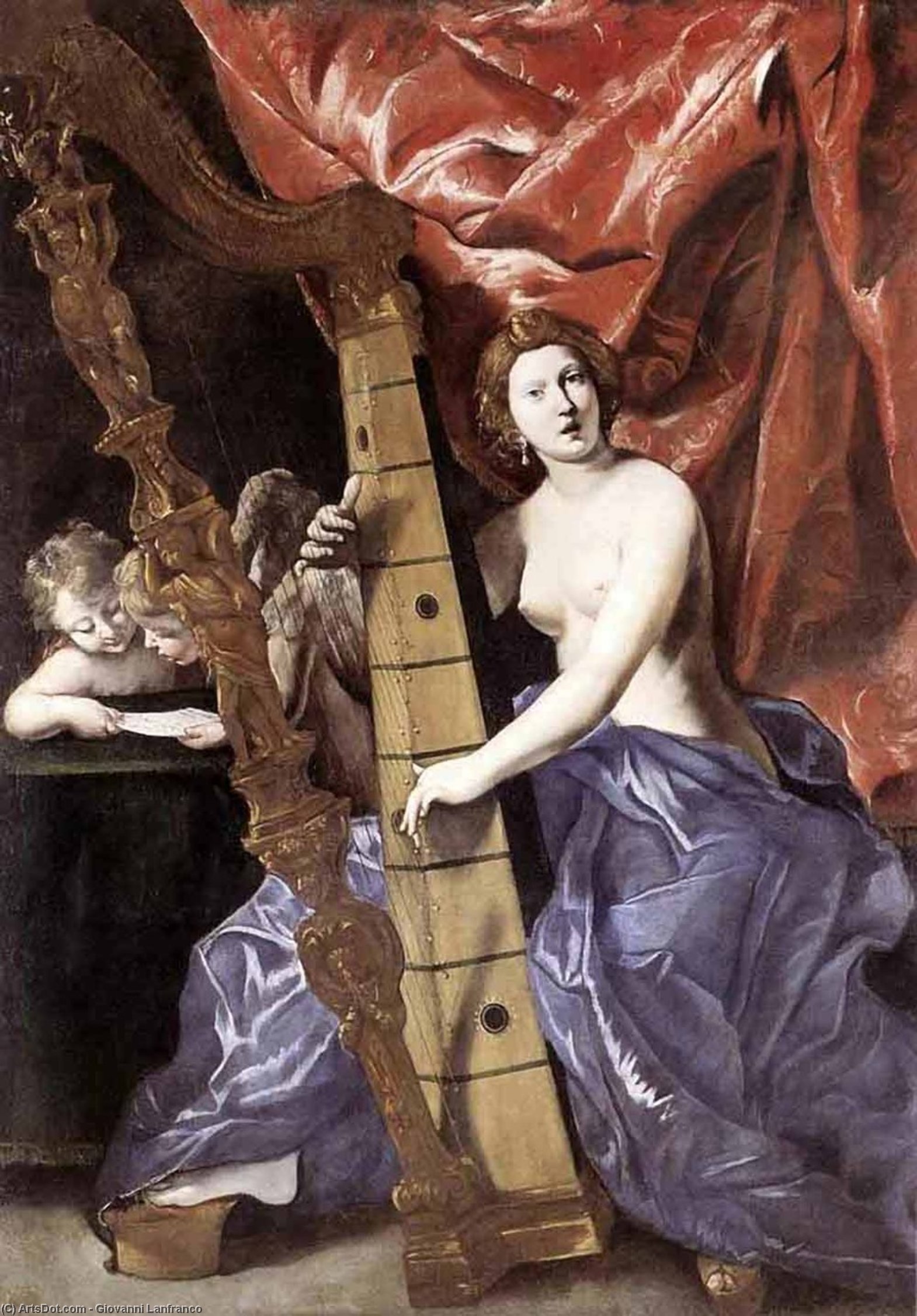
Venus Playing the Harp (Allegory of Music)

Admire Giovanni Lanfranco’s ‘Venus Playing the Harp,’ a stunning Baroque oil painting of a nude figure & angel. Explore its dramatic lighting, rich textures & classical beauty – a masterpiece of 1630.

Explore Giovanni Lanfranco (1582-1647), a leading Baroque painter famed for dynamic frescoes & theatrical style. Discover his masterpieces & Correggio influence!

Hand Made Oil Reproduction

Hand-painted oil on canvas in your size and frame, made to order by our artists. (Buy Print Buy PrintBuy Image Buy Image)

P118B R$10
P118H R$10
P118W R$10
P438Z R$10
P508JH R$12
P508YH R$12
P805H R$10
P805Z R$10
P919BZ R$10
P919G R$10
P919XJ R$10
P959ZH R$10
P968JZ R$12
W106C R$8
W218G R$10
W218JH R$8
W218Y R$10
W307PJ R$10
W316G R$10
W316PJ R$8
W316Y R$10
W398PJ R$8
W4111J R$10
W500HY R$15
W500JH R$15
W692G R$12
W849H R$8
W940BG R$15
W953PJ R$8

Standard
custom
CM
INCH

Pick from our preset sizes that match the artwork's original proportions.

width
height

You may enter your own dimensions to fit a specific frame or space. If your selected size does not match the original image's proportions, we will either crop the artwork or extend the painting with additional hand-painted elements. A digital mockup will be sent for your approval before production begins.
Please note that the on-screen preview does not reflect the actual cropping or extension. Only the mockup will accurately show the final composition.
While custom sizes are available, we recommend selecting a dimension from the predefined list to preserve the original proportions.

Examples of what can be changed: Replace face with customer photo; Add pet (e.g., replace cat with dog); Include hidden message in background; Change background landscape or elements.
After order, WahooArt.com team will email client for instructions and provide a mockup preview

Worldwide Delivery () in 3/4 weeks instead of standard 5 weeks. (15 August). No compromise on quality.

why_choose_icon
Free Worldwide Express Shipping
why_choose_icon
High-Quality Linen Canvas
why_choose_icon
Full Shipping Insurance
why_choose_icon
Customs Tax Refund Guarantee
why_choose_icon
True Color Matching Guarantee
why_choose_icon
60-Day Return Policy (Defects Only)
why_choose_icon
100% Money-Back Guarantee
why_choose_icon
Bulk Discount Offer

Total Price

R$ 1510

reproduction

Venus Playing the Harp (Allegory of Music)

Reproduction Medium

Reproduction Size

-

Total Price

R$ 1510

Quick Facts

  • Medium: Oil on canvas
  • Movement: Baroque
  • Notable elements or techniques: Dramatic lighting; Rich textures
  • Location: Galleria Nazionale d'Arte Antica, Rome
  • Dimensions: 214 x 150 cm
  • Subject or theme: Music; Allegory
  • Artist: Giovanni Lanfranco

Art Quiz

There is only one correct answer for each question.

Question 1:
What artistic movement is Giovanni Lanfranco’s ‘Venus Playing the Harp’ primarily associated with?
Question 2:
The painting depicts Venus playing a harp. What symbolic significance does this instrument hold within the artwork?
Question 3:
Where is ‘Venus Playing the Harp’ currently housed?
Question 4:
What type of painting technique did Lanfranco employ in ‘Venus Playing the Harp’?
Question 5:
Who commissioned this artwork?

Artwork Description

Venus Playing the Harp (Allegory of Music) – A Baroque Masterpiece

Giovanni Lanfranco’s “Venus Playing the Harp” stands as a testament to the grandeur and sophistication of Baroque art, capturing an exquisite moment of serene beauty within a richly symbolic composition. Painted in 1630-34 for Marco Marazzoli, a celebrated musician patron of the Barberini family, this oil on canvas masterpiece resides in the Galleria Nazionale d’Arte Antica in Rome—a location that underscores its significance as part of Italy's artistic heritage. The painting immediately draws the eye with its masterful use of light and color, emanating from an unseen source above and to the left, casting dramatic shadows that sculpt Venus’s form and illuminate the drapery surrounding her. This theatrical illumination is characteristic of Baroque aesthetics, designed to evoke emotion and heighten visual impact.

Subject Matter and Symbolism

At its core, “Venus Playing the Harp” embodies the allegory of music—a genre favored by artists during this period—representing harmony, grace, and divine inspiration. Venus herself, depicted nude yet idealized, symbolizes beauty and virtue, aligning perfectly with Renaissance humanist ideals that persisted into the Baroque era. Her posture exudes calm contemplation as she delicately plucks at the harp’s strings, an instrument traditionally associated with musical excellence and spiritual devotion. The harp’s presence isn't merely decorative; it serves as a potent symbol of artistic creativity and divine favor—a visual representation of Venus’s role as goddess of love and music. Surrounding Venus are angelic figures, adding to the painting’s narrative dimension and reinforcing its religious undertones. These angels gaze upon Venus with admiration, suggesting that she embodies perfection and is blessed by celestial grace. The bees adorning the harp further amplify this symbolism—bees represent diligence, productivity, and the transformative power of nature—connecting music to earthly fecundity and spiritual renewal.

Technique and Artistic Style

Lanfranco’s meticulous technique exemplifies Baroque painting's commitment to realism blended with expressive illusionism. He skillfully employs glazing techniques – applying thin layers of translucent paint over underlying colors – creating a luminous surface that captures the subtle nuances of light and texture. The artist’s attention to detail is evident in every fold of drapery, every curve of Venus’s body, and the intricate construction of the harp itself. Lanfranco utilizes perspective—though somewhat flattened—to create depth within the composition, guiding the viewer's gaze toward the central figure and enhancing the dramatic effect of the lighting. The artist’s masterful brushwork contributes to a palpable sense of movement and dynamism, despite the serene stillness of the scene. This stylistic choice reflects Baroque artists’ desire to engage viewers emotionally and intellectually—to transport them into a world of heightened beauty and spiritual contemplation.

Historical Context

“Venus Playing the Harp” emerged during a period of artistic flourishing in Rome under Pope Urban VIII—a staunch supporter of the Catholic Church and a champion of Baroque art. The painting reflects the broader cultural climate of the time, characterized by an obsession with grandeur, emotion, and religious fervor. Lanfranco’s work aligns seamlessly with the stylistic conventions established by artists like Caravaggio and Bernini—artists who similarly sought to convey profound spiritual truths through dramatic visual narratives. Its commission for Marco Marazzoli underscores the importance of patronage in shaping artistic production during the Baroque era—demonstrating how wealthy patrons influenced artistic endeavors and contributed to the dissemination of cultural ideals.

Concluding Impression

Ultimately, Giovanni Lanfranco’s “Venus Playing the Harp” transcends mere representation; it aspires to evoke a feeling of sublime beauty and spiritual contemplation. The painting's enduring appeal lies in its masterful synthesis of classical idealism and Baroque theatricality—a harmonious blend that continues to captivate audiences centuries later. It remains an unforgettable emblem of artistic excellence and a poignant reminder of the power of art to inspire awe and elevate the human spirit.

Artist Biography

Giovanni Lanfranco: A Leading Figure of Baroque Painting

  • Born: Parma, Italy (1582)
  • Died: 1647

Early Life and Training

Giovanni Gaspare Lanfranco was born in Parma in 1582, the third son of Stefano and Cornelia Lanfranchi. His artistic talent was recognized early on, leading to an apprenticeship with Agostino Carracci, brother of Annibale Carracci, a prominent Bolognese artist. He also worked alongside Sisto Badalocchio in the Farnese palaces of Parma. Lanfranco's training continued within Annibale Carracci’s large workshop in Rome, where he contributed to projects like the Galleria Farnese, including work on the panel of Polyphemus and Galatea. This period exposed him to a vibrant artistic environment and laid the foundation for his future career.

Development and Artistic Style

Following Annibale Carracci's death in 1609, Lanfranco briefly returned to Parma before re-establishing himself in Rome by 1612. He developed a distinctive style characterized by dynamic compositions, theatrical lighting, and a visionary approach particularly suited for ceiling frescoes. While influenced by the late works of Ludovico Carracci and possibly Caravaggio, he also demonstrated a strong affinity for Correggio’s decorative style. His early works show an eclectic range, incorporating elements from various masters while gradually forging his own path. A key aspect of his development was his ability to create illusionistic effects in fresco painting, contributing significantly to the Baroque aesthetic.

Major Achievements and Commissions

Lanfranco’s career flourished under Pope Paul V, who commissioned numerous works from him. Some of his most significant achievements include:

  • Frescoes at Palazzo Mattei: Demonstrating his growing mastery of perspective and illusionism.
  • Villa Borghese Ceiling (Gods of Olympus): A monumental work showcasing a complex narrative and dynamic figures.
  • Sala de' Corazzieri and Sala Regia at the Quirinale Palace: Further establishing his reputation as a leading fresco artist in Rome.
  • The Assumption of the Virgin at Sant’Andrea della Valle: Considered his masterpiece, this ambitious dome fresco is renowned for its dramatic lighting, crowded composition, and innovative use of perspective. It exemplifies the Baroque style's emphasis on grandeur and emotional impact.

Influence and Historical Significance

Giovanni Lanfranco played a crucial role in shaping the artistic landscape of 17th-century Rome. He rivaled Domenichino for major commissions, contributing to a period of intense competition among leading artists. His innovative approach to fresco painting, particularly his mastery of illusionistic techniques and dramatic compositions, influenced subsequent generations of artists. Lanfranco’s work reflects the broader trends of the Baroque era—a focus on dynamism, emotion, and grandeur—and cemented his place as one of the most important painters of his time. His influence can be seen in later works by Francesco Solimena and other Italian artists.

Giovanni Lanfranco

Giovanni Lanfranco

1582 - 1647 , Italy

Quick Facts

  • Artistic Movement Or Style: Baroque painting
  • Artists Or Movements Influenced By This Artist: ['Francesco Solimena']
  • Artists Who Influenced This Artist:
    • Correggio
    • Annibale Carracci
    • Ludovico Carracci
  • Date Of Birth: January 26, 1582
  • Date Of Death: November 30, 1647
  • Full Name: Giovanni Lanfranco
  • Nationality: Italian
  • Notable Artworks:
    • The Prophet Elijah Awakened
    • Saint Luke
    • Venus Playing the Harp
    • Gods of Olympus fresco
  • Place Of Birth (City And Country): Parma, Italy
Explore artworks organized by themes, styles, and characteristics.