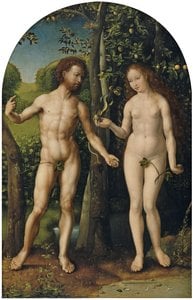
Oil On PanelNorthern Renaissance
 Renaissance
 140.0 x 219.0 cm
Hand-painted oil on canvas in your size and frame, made to order by our artists. ( Switch to Print Switch to Digital Image)





























Pick from our preset sizes that match the artwork's original proportions.

You may enter your own dimensions to fit a specific frame or space. If your selected size does not match the original image's proportions, we will either crop the artwork or extend the painting with additional hand-painted elements. A digital mockup will be sent for your approval before production begins.
Please note that the on-screen preview does not reflect the actual cropping or extension. Only the mockup will accurately show the final composition.
While custom sizes are available, we recommend selecting a dimension from the predefined list to preserve the original proportions.
Worldwide Delivery () in 3/4 weeks instead of standard 5 weeks. (24 September). No compromise on quality.


Descent from the cross
Reproduction Size
In the profound stillness of Jan Gossaert’s Descent from the Cross, the viewer is not merely an observer but a witness to one of the most poignant moments in Christian iconography. This evocative work, attributed to the Renaissance pioneer known as Mabuse, captures the heavy, breathless atmosphere following the Crucifixion. The composition is masterfully tight, creating a sense of claustrophobia that mirrors the suffocating grief of the figures gathered around the lifeless body of Christ. Through a brilliant use of chiaroscuro, Gossaert directs our gaze with surgical precision; light spills across the pale, wounded flesh of Jesus, pulling his torso from the surrounding gloom and anchoring the emotional weight of the scene in the center of the frame.
The artistry lies in the seamless blend of Northern European realism and the burgeoning influences of the Italian Renaissance. Gossaert employs a technique characterized by meticulous detail, where every fold of the white shroud and every ripple of muscle is rendered with breathtaking anatomical accuracy. The color palette is somber and grounded, utilizing earthy ochres, deep browns, and bruised reds to evoke a sense of mortality and earthbound suffering. This tonal depth is interrupted only by the stark, luminous highlights on Christ’s skin, creating a theatricality that feels both intimate and monumental. For the collector or designer, this painting offers a profound focal point, bringing a sense of historical gravity and dramatic texture to any curated space.
Beyond its technical brilliance, the artwork serves as a complex tapestry of symbolic meaning. The nudity of Christ is not merely a depiction of physical vulnerability but a powerful emblem of his ultimate sacrifice and the stripping away of all earthly glory. The surrounding figures—interlocked in a dance of mourning—represent the collective agony of humanity. As their limbs overlap and their faces contort in grief, the painting transcends its religious subject matter to touch upon the universal experience of loss. The dark, undefined background acts as a void, representing the encroaching shadow of death and the despair that follows the light of life.
For those seeking to incorporate such a piece into an interior, the Descent from the Cross offers more than just decoration; it provides a narrative anchor. The dynamic diagonal lines created by Christ’s limp arm lead the eye through the composition, ensuring that the painting remains visually engaging from every angle. Whether displayed in a quiet study or as a centerpiece in a grand hall, this reproduction invites deep contemplation, offering an enduring connection to the mastery of the Netherlandish tradition and the timeless beauty of human emotion captured in oil.

In the shifting landscape of the early sixteenth century, few artists bridged the gap between the meticulous traditions of the North and the burgeoning humanism of the South as masterfully as Jan Gossaert. Known to history by the evocative moniker Mabuse, this visionary painter emerged from Maubeuge, France, to become a cornerstone of the Romanist movement. His life’s work represents a profound metamorphosis in Netherlandish art, where the sharp, tactile realism of the Flemish masters met the grand, sculptural elegance of the Italian Renaissance. To study Gossaert is to witness the very moment when the medieval soul began to embrace the classical light of antiquity.
While the precise details of his early training remain shrouded in the mists of time, Gossaert’s artistic DNA was deeply rooted in the traditions of the Low Countries. It is widely believed that his formative years were spent absorbing the technical rigors of masters such as Rogier van der Weyden and Hugo van der Goes. From these predecessors, he inherited an unparalleled devotion to detail—a way of rendering textures, fabrics, and light that felt almost tangible to the viewer. However, Gossaert was far from a mere imitator of the past; he possessed an insatiable curiosity for the new, looking toward the south to integrate the anatomical precision and architectural grandeur of the Italian Renaissance into his native style.
The true genius of Mabuse lies in his ability to harmonize two seemingly disparate worlds. His development as a Romanist painter marked a departure from the purely Gothic sensibilities that had long dominated Northern Europe. Where earlier artists focused on symbolic depth and spiritual iconography, Gossaert introduced a sense of physical weight and classical proportion. He studied the human form with a new, scientific vigor, allowing his figures to occupy space with a sculptural presence that felt revolutionary for his era.
This stylistic evolution is most evident in his treatment of light and atmosphere. In his hands, light does not merely illuminate a scene; it sculpts it. He utilized atmospheric perspective to create vast, immersive landscapes that seem to recede infinitely into the distance, providing a dramatic stage for his subjects. His compositions often feature a complex interplay of shadows and brilliance, a technique that lends his religious and mythological scenes an almost theatrical intensity. This mastery allowed him to navigate the delicate balance between the profound spiritual contemplation required by religious commissions and the intellectual grandeur demanded by the humanist scholars of his time.
Gossaert’s prolific career was sustained by a prestigious network of patrons, ranging from wealthy merchants to high-ranking clergy and nobility. His output was remarkably diverse, spanning monumental altarpieces that anchored cathedral interiors to intimate portraits that captured the psychological essence of his sitters. Some of his most enduring contributions include:
The historical significance of Jan Gossaert cannot be overstated. He acted as a vital conduit, transporting the classical ideals of Italy across the Alps and planting them firmly in the fertile soil of the Netherlands. By blending the meticulous craftsmanship of the Flemish tradition with the structural innovations of the Roman Renaissance, he paved the way for future generations of Northern artists. His legacy remains etched in the very fabric of art history, representing a triumphant era of cultural synthesis and artistic rebirth.

1478 - 1532 , France
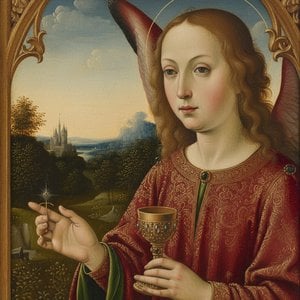
Embark on a journey through the luminous world of Early Netherlandish art. Discover the revolutionary oil techniques, microscopic realism, and sacred symbolism used by masters like Jan van Eyck to redefine Western art history in this expert-led guide.

 Preview
 Send
Send Share
Share
 Details
 Guide
Guide

 Download
 Similars
 X-Ray
X-Ray Diaporama
 Stats
Stats Read More







 Glass option is only available in size under 110 CM