A Life Painted in Dreams: The World of Jorge José Castillo Casalderrey
Jorge José Castillo Casalderrey, a name perhaps less familiar to the wider art world than it deserves, is nonetheless a profoundly evocative figure whose work offers a unique window into the heart of Spanish identity and the surreal landscapes of the imagination. Born in Galicia, Spain, in 1933, his early life was shaped by an emigration to Argentina at just one year old, a move that would indelibly influence his artistic perspective – blending European sensibilities with the vibrant energy of Latin American culture. This dual heritage, coupled with a keen eye for observation and a deeply personal vision, formed the bedrock of a career spanning decades and encompassing painting, sculpture, and graphic art. Castillo’s journey is one of constant evolution, marked by periods of intense experimentation and a persistent exploration of themes ranging from poignant clown portraits to dreamlike depictions of Barcelona and the broader Spanish countryside.
Early Influences and Artistic Formation
Castillo's artistic trajectory began with a formal education in drawing at the École des Beaux-Arts in Paris, a crucial period that exposed him to the revolutionary currents of Surrealism. However, he quickly recognized that his own voice demanded a more direct engagement with the realities of his native land. Returning to Spain in 1955, he settled in Barcelona, a city that would become inextricably linked to his artistic identity. This move coincided with a significant shift in his style – a deliberate departure from purely abstract Surrealism and an embrace of figurative representation, often imbued with a melancholic beauty. The influence of Raquel Forner, a fellow artist and a key figure in the Spanish Surrealist movement, is undeniable; her exploration of dream imagery and psychological depth undoubtedly shaped Castillo’s early development. His initial exhibitions at Galería Altamira in Madrid showcased these early works – hauntingly beautiful ink drawings and gouaches that hinted at the emotional complexity to come.
The Clown and the City: Defining Themes
Castillo's most recognizable work centers around his poignant portraits of clowns, figures he frequently depicted with a profound sense of vulnerability and isolation. These aren’t simply comical representations; they are studies in loneliness, reflecting on the human condition through the lens of this archetypal symbol of both joy and sorrow. Simultaneously, Castillo developed a deep fascination with Barcelona – its labyrinthine streets, sun-drenched plazas, and the ever-present sense of history. His cityscapes capture not just the physical appearance of the metropolis but also its soul: the quiet dignity of its inhabitants, the echoes of past glories, and the subtle melancholy that permeates its atmosphere. These urban scenes are rendered with a delicate precision, utilizing muted colors and evocative lighting to create an almost dreamlike quality. Beyond Barcelona, Castillo’s landscapes often evoke a sense of timelessness, transporting the viewer to remote corners of Spain where tradition and nature intertwine.
Technique and Style: A Synthesis of Realism and Emotion
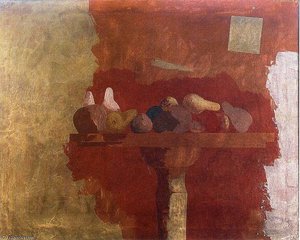
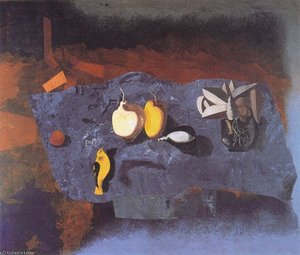
Castillo's technical skill is remarkable – he possessed a mastery of oil painting that allowed him to capture both the minute details of his subjects and the broader emotional atmosphere of each scene. However, it’s not merely technical proficiency that defines his style; rather, it’s the way in which he uses color, light, and composition to convey feeling. He frequently employed a muted palette – browns, grays, and ochres – creating a sense of quiet contemplation. His brushwork is often loose and expressive, suggesting movement and spontaneity while simultaneously maintaining a remarkable level of control. The influence of Picasso is particularly evident in his use of fragmented forms and distorted perspectives, elements that contribute to the dreamlike quality of many of his works. He was also an accomplished sculptor, creating striking steel pieces like “Homage to the Cyclist” which stands proudly in Plaça de Sants, Barcelona – a testament to his versatility and artistic vision.
Legacy and Recognition
Jorge José Castillo Casalderrey passed away in 2020, leaving behind a substantial body of work that continues to resonate with viewers today. While he may not be as widely recognized as some of his contemporaries, his art possesses a quiet power – a capacity to evoke profound emotions and invite contemplation. His works are held in numerous private collections and museums throughout Spain and internationally, and continue to be exhibited and studied by scholars and enthusiasts alike. His legacy lies not only in the beauty of his paintings but also in his ability to capture the essence of Spanish identity—its history, its culture, and its enduring spirit—through a uniquely personal and deeply moving artistic lens. His art serves as a poignant reminder that true greatness often resides not in fleeting fame, but in the quiet persistence of an authentic creative vision.