Αγοράστε μια ψηφιακή εικόνα υψηλής ανάλυσης και βελτιωμένης ποιότητας, πολύ ανώτερης από την προεπισκόπηση στο διαδίκτυο.
Κάθε αρχείο προετοιμάζεται σχολαστικά από τους εξειδικευμένους συνεργάτες μας, με τη χρήση προηγμένων εργαλείων και χειροκίνητου ρετουσαρίσματος υψηλής ακρίβειας. Εξασφαλίζουμε ότι κάθε εικόνα προσφέρει εξαιρετική ευκρίνεια, απόλυτη πιστότητα στο χρώμα και λεπτομερή ανάδραση των λεπτομερειών.
Το τελικό αρχείο παραδίδεται μέσω email εντός 72 ωρών, βελτιστοποιημένο για άμεση χρήση σε επαγγελματικά, εκδοτικά και έντυπα περιβάλλοντα. Πρόκειται για την ίδια ποιότητα που εμπιστεύονται κορυφαία studios σχεδιασμού, εκδότες και γκαλερί.
Κατεβάστε ένα αρχείο υψηλής ανάλυσης για προσωπική χρήση, εκτύπωση και δημιουργικά έργα. ( Αγορά εκτύπωσης Αγορά χειροποίητου πίνακα)
Όταν επιλέγετε το WahooArt.com, δεν αποκτάτε απλώς μια εικόνα – λαμβάνετε ένα επαγγελματικά αναβαθμισμένο ψηφιακό έργο τέχνης, δημιουργημένο με ακρίβεια και με εγγύηση ικανοποίησης. Δείτε όλα όσα περιλαμβάνονται στην παραγγελία σας, αυτόματα:

Το ψηφιακό σας αρχείο εικόνας υψηλής ανάλυσης θα σας σταλεί μέσω email εντός 72 ωρών από την παραγγελία σας — έτοιμο για άμεση χρήση.

Το έργο σας βελτιστοποιείται επαγγελματικά με τη χρήση προηγμένων εργαλείων Τεχνητής Νοημοσύνης και χειροκίνητης επεξεργασίας, εξασφαλίζοντας μέγιστη λεπτομέρεια, ευκρίνεια και ακρίβεια χρωμάτων.

Απώλησες ή διαγράψατε κατά λάθος το αρχείο σας; Μην ανησυχείτε — θα σας το ξαναστείλομε οποιαδήποτε στιγμή, δωρεάν.

Απολαύστε αμέσως τα έργα τέχνης σας χωρίς δασμούς, φόρους ή έξοδα αποστολής - οι ψηφιακές λήψεις είναι πάντα αφορεশিপτεία.

Εξασφαλίζουμε ότι η ψηφιακή σας εικόνα αποτυπώνει τα αυθεντικά χρώματα όσο το δυνατόν πιστότερα, χρησιμοποιώντας επαγγελματικά εργαλεία και διαχείριση χρωμάτων.

Εάν δεν είστε ικανοποιημένοι με την ψηφιακή σας εικόνα, θα την τροποποιήσουμε ή θα σας επιστρέψουμε το 100% εντός 100 ημερών - χωρίς κανένα ερώτημα.

Δεν είστε ικανοποιημένοι; Λάβετε πλήρη επιστροφή των χρημάτων σας εντός 100 ημερών από τη λήψη του ψηφιακού σας αρχείου - χωρίς κανένα ερώτημα.

Αγοράστε 3 εικόνες, κάντε εξοικονόμηση 10% - Αγοράστε 5, κάντε εξοικονόμηση 15% - Αγοράστε 10+, κάντε εξοικονόμηση 20%. Ιδανικό για δημιουργικά έργα, γκαλερί και agencies.

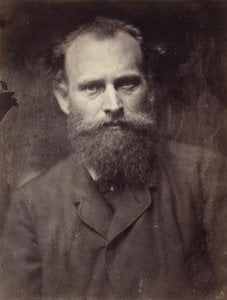
André-Adolphe-Eugène Disdéri’s name is inextricably linked to a pivotal moment in photographic history – the rise of mass portraiture. Born in Paris in 1819, Disdéri wasn't initially destined for the world of images; his early life involved various occupations, including working as a clerk and even a stagehand. However, a fascination with art and a burgeoning interest in the nascent technology of photography led him to embrace the medium, beginning his career as a daguerreotypist – a process known for its exquisite detail but also its cumbersome nature and high cost. It was this initial experience that ultimately fueled his ambition: to democratize portraiture and make it accessible to the masses.
Disdéri’s breakthrough came with the invention of the carte de visite, a small photographic image mounted on a card – roughly the size of a modern business card. This innovation was revolutionary. Previously, portraits were largely the domain of the wealthy, requiring lengthy sittings and expensive prints. The carte de visite system allowed for multiple images to be produced from a single negative, dramatically reducing costs and making portrait photography a viable option for a wider audience. His meticulous approach to lighting and composition, combined with his understanding of mass production techniques, ensured that these small portraits were not merely reproductions but carefully crafted works of art.
Disdéri’s system quickly gained traction across Europe and America. His studio in Paris became legendary – dubbed by one visitor as “the Temple of Photography.” The atmosphere was opulent, reflecting the immense popularity of his service. He understood that presentation was key; he employed a team of assistants to dress subjects in fashionable attire, arrange elaborate backgrounds, and ensure a polished experience for each client. This theatrical approach elevated portraiture beyond a simple recording of likenesses, transforming it into a social event.
Crucially, Disdéri’s invention wasn't simply about replicating existing images; he actively promoted the format through clever marketing and strategic partnerships. He recognized the potential for mass distribution and collaborated with printing firms to streamline production. His meticulous attention to detail extended beyond the photographic process itself – he even designed the cards themselves, ensuring a consistent aesthetic that reinforced the carte de visite’s status as a fashionable collectible.
Beyond the carte de visite, Disdéri was a prolific inventor. He developed several significant photographic techniques, including a system for producing multiple prints from a single negative – a crucial step in enabling mass production. However, his most enduring legacy may be the invention of the twin-lens reflex camera (TLR) in 1856. This revolutionary device, which allowed photographers to see the image they were composing through the lens before taking the shot, fundamentally altered the way photographs were made and influenced countless subsequent cameras.
The TLR offered a level of control and precision previously unavailable, allowing for greater artistic expression. Disdéri’s design was remarkably intuitive and adaptable, contributing significantly to its widespread adoption by both professional photographers and amateurs alike. It stands as a testament to his inventive spirit and his deep understanding of photographic principles.
Despite his immense success, Disdéri's life ended in relative obscurity and poverty. The ease with which his system could be copied led to a flood of imitators, eroding his profits and diminishing his reputation. He died in 1889, a victim of the very innovation he had pioneered – a poignant reminder of the challenges faced by early pioneers in any technological field.
Nevertheless, André-Adolphe-Eugène Disdéri’s contribution to photography is undeniable. He didn't just capture images; he fundamentally changed how people viewed and interacted with them. He democratized portraiture, popularized the carte de visite, and invented a camera that would shape the future of photographic practice. His legacy endures not only in the countless portraits preserved as cartes de visite but also in the enduring influence of his innovations on the art form itself. He truly architected the snapshot age, forever altering our relationship with visual representation.

1819 - 1889 , France

 Δείτε σε πραγματικό χώρο
 Αποστολή
 Κοινοποίηση
 Λεπτομέρειες

 Λήψη
Λήψη
 Παρόμοια αντικείμενα συλλογής
 Ακτινογραφία
 Παρουσίαση


 Διαβάστε περισσότερα