x
Δείτε σε πραγματικό χώροΔείτε σε πραγματικό χώρο Προεπισκόπηση σε ARΠροεπισκόπηση σε AR Αγορά εκτύπωσης Αγορά εκτύπωσηςΑγορά ψηφιακής εικόνας Αγορά ψηφιακής εικόνας ΑποστολήΑποστολή
ΛεπτομέρειεςΛεπτομέρειες Προσθήκη στα αγαπημένα Προσθήκη στα αγαπημένα ΛήψηΛήψη Παρόμοια αντικείμενα συλλογήςΠαρόμοια αντικείμενα συλλογής ΑκτινογραφίαΑκτινογραφία ΠαρουσίασηΠαρουσίαση

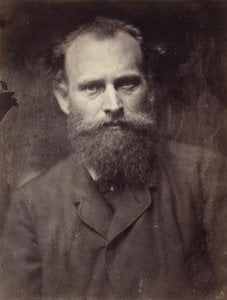
Antonio María del Valle Serrano

A stunning Daguerreotype portrait from 1860 by André Disdéri captures a young man in Victorian attire. Explore the sharp detail & subtle melancholy of this historical photograph – perfect for collectors.

Explore the legacy of André-Adolphe-Eugène Disdéri (1819-1889), a pioneering French photographer famed for popularizing the carte de visite. See his portraits & learn about this key figure in 19th-century photography.

Χειροποίητη Αναπαραγωγή σε Έλαιο

Χειροποίητη oil painting σε καμβά στο δικό σας μέγεθος και πλαίσιο, κατά παραγγελία από τους καλλιτέχνες μας. (Αγορά εκτύπωσης Αγορά εκτύπωσηςΑγορά ψηφιακής εικόνας Αγορά ψηφιακής εικόνας)

Πρότυπο μέγεθος
κατόπιν παραγγελίας
CM
INCH

Επιλέξτε από τις προκαθορισμένες διαστάσεις μας που διατηρούν τις αρχικές αναλογίες του έργου τέχνης.

πλάτος
ύψος

Μπορείτε να ορίσετε δικές σας διαστάσεις ώστε το έργο να ταιριάζει σε ένα συγκεκριμένο πλαίσιο ή χώρο. Εάν το επιλεγμένο μέγεθος δεν συμπίπτει με τις αναλογίες της αρχικής εικόνας, θα περικοψούμε το έργο ή θα επεκτείνουμε τη ζωγραφιά με πρόσθετα χειρόγραφα στοιχεία. Ένα ψηφιακό προσχέδιο θα σας αποσταλεί για έγκριση πριν την έναρξη της παραγωγής.
Παρακαλούμε σημειώστε ότι η προεπισκόπηση στην οθόνη δεν αντικατοπτρίζει την πραγματική περικοπή ή επέκταση. Μόνο το προσχέδιο θα δείξει με ακρίβεια την τελική σύνθεση.
Παρόλο που είναι διαθέσιμα προσαρμοσμένα μεγέθη, συνιστούμε να επιλέξετε μια διάσταση από τη λίστα των προκαθορισμένων μεγεθών για τη διατήρηση των αρχικών αναλογιών.

Παραδείγματα αλλαγών: Αντικατάσταση προσώπου με φωτογραφία του πελάτη· Προσθήκη κατοικίδιου (π.χ., αντικατάσταση γάτας με σκύλο)· Ενσωμάτωση κρυφού μηνύματος στο φόντο· Αλλαγή τοπίου ή στοιχείων του φόντου.
Μετά την παραγγελία, η ομάδα του WahooArt.com θα στείλει email στον πελάτη με οδηγίες και θα παρέχει μια προεπισκόπηση προσχεδίου

Παγκόσμια Αποστολή () σε 3-4 εβδομάδες αντί για τις συνήθεις 5 εβδομάδες. (5 Σεπτέμβριος). Χωρίς συμβιβασμούς στην ποιότητα.

why_choose_icon
Δωρεάν γρήγορη διεθνής αποστολή
why_choose_icon
Κάμβας από Λινό Υψηλής Ποιότητας
why_choose_icon
Πλήρης ασφάλιση μεταφοράς
why_choose_icon
Εγγύηση Επιστροφής Δασμών και Φόρων
why_choose_icon
Εγγύηση Απόλυτης Ομοιότητας Χρωμάτων
why_choose_icon
Πολιτική Επιστροφής 60 Ημερών (Μόνο σε περίπτωση ελαττωμάτων)
why_choose_icon
Εγγύηση επιστροφής 100% των χρημάτων
why_choose_icon
Προσφορά για μαζικές παραγγελίες

Συνολική Τιμή

$ 272

reproduction

Antonio María del Valle Serrano

Μέσο Αναπαραγωγής

Διαστάσεις Αναπαραγωγής

-

Συνολική Τιμή

$ 272


Βιογραφία Καλλιτέχνη

André-Adolphe-Eugène Disdéri: The Architect of the Snapshot Age

André-Adolphe-Eugène Disdéri’s name is inextricably linked to a pivotal moment in photographic history – the rise of mass portraiture. Born in Paris in 1819, Disdéri wasn't initially destined for the world of images; his early life involved various occupations, including working as a clerk and even a stagehand. However, a fascination with art and a burgeoning interest in the nascent technology of photography led him to embrace the medium, beginning his career as a daguerreotypist – a process known for its exquisite detail but also its cumbersome nature and high cost. It was this initial experience that ultimately fueled his ambition: to democratize portraiture and make it accessible to the masses.

Disdéri’s breakthrough came with the invention of the carte de visite, a small photographic image mounted on a card – roughly the size of a modern business card. This innovation was revolutionary. Previously, portraits were largely the domain of the wealthy, requiring lengthy sittings and expensive prints. The carte de visite system allowed for multiple images to be produced from a single negative, dramatically reducing costs and making portrait photography a viable option for a wider audience. His meticulous approach to lighting and composition, combined with his understanding of mass production techniques, ensured that these small portraits were not merely reproductions but carefully crafted works of art.

The Rise of the “Temple of Photography”

Disdéri’s system quickly gained traction across Europe and America. His studio in Paris became legendary – dubbed by one visitor as “the Temple of Photography.” The atmosphere was opulent, reflecting the immense popularity of his service. He understood that presentation was key; he employed a team of assistants to dress subjects in fashionable attire, arrange elaborate backgrounds, and ensure a polished experience for each client. This theatrical approach elevated portraiture beyond a simple recording of likenesses, transforming it into a social event.

Crucially, Disdéri’s invention wasn't simply about replicating existing images; he actively promoted the format through clever marketing and strategic partnerships. He recognized the potential for mass distribution and collaborated with printing firms to streamline production. His meticulous attention to detail extended beyond the photographic process itself – he even designed the cards themselves, ensuring a consistent aesthetic that reinforced the carte de visite’s status as a fashionable collectible.

Technological Innovation and the Twin-Lens Reflex

Beyond the carte de visite, Disdéri was a prolific inventor. He developed several significant photographic techniques, including a system for producing multiple prints from a single negative – a crucial step in enabling mass production. However, his most enduring legacy may be the invention of the twin-lens reflex camera (TLR) in 1856. This revolutionary device, which allowed photographers to see the image they were composing through the lens before taking the shot, fundamentally altered the way photographs were made and influenced countless subsequent cameras.

The TLR offered a level of control and precision previously unavailable, allowing for greater artistic expression. Disdéri’s design was remarkably intuitive and adaptable, contributing significantly to its widespread adoption by both professional photographers and amateurs alike. It stands as a testament to his inventive spirit and his deep understanding of photographic principles.

A Legacy of Popularization

Despite his immense success, Disdéri's life ended in relative obscurity and poverty. The ease with which his system could be copied led to a flood of imitators, eroding his profits and diminishing his reputation. He died in 1889, a victim of the very innovation he had pioneered – a poignant reminder of the challenges faced by early pioneers in any technological field.

Nevertheless, André-Adolphe-Eugène Disdéri’s contribution to photography is undeniable. He didn't just capture images; he fundamentally changed how people viewed and interacted with them. He democratized portraiture, popularized the carte de visite, and invented a camera that would shape the future of photographic practice. His legacy endures not only in the countless portraits preserved as cartes de visite but also in the enduring influence of his innovations on the art form itself. He truly architected the snapshot age, forever altering our relationship with visual representation.

disdéri, andré adolphe-eugène

disdéri, andré adolphe-eugène

1819 - 1889 , France

Γρήγορα στοιχεία

  • Artistic Movement Or Style: Photography (Carte de visite)
  • Artists Or Movements Influenced By This Artist: ['Carte de visite craze']
  • Artists Who Influenced This Artist: ['Daguerre']
  • Date Of Birth: 1819, Paris, France
  • Date Of Death: 1889
  • Full Name: André-Adolphe-Eugène Disdéri
  • Nationality: French
  • Notable Artworks:
    • Portrait of Adolphe Crémieux
    • Antonio María del Valle Serrano
  • Place Of Birth: Paris, France