
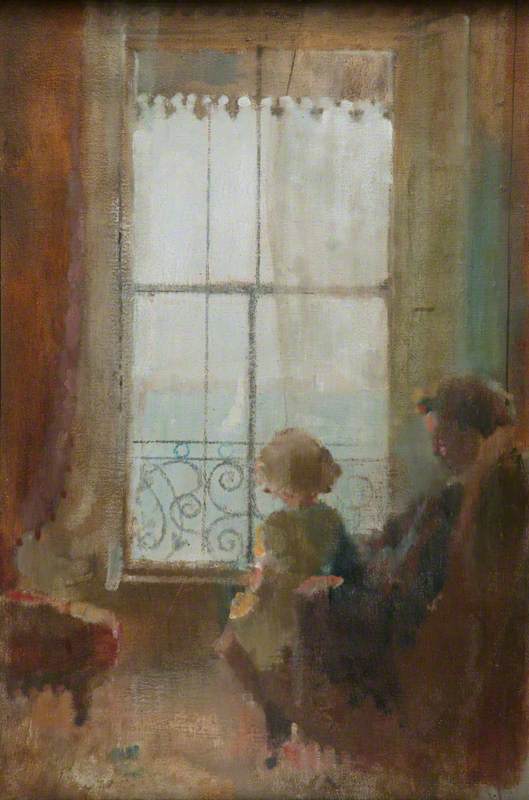

Erhalten Sie eine druckfertige Datei, die weit über die Web-Vorschau hinausgeht. Jedes von uns verkaufte digitale Bild basiert auf einem hochauflösenden Master aus unserer Datenbank – in der Regel 5.000 bis 15.000 Pixel breit –, sodass Sie mit Vertrauen großformatig drucken, eng ausschneiden oder feinste Details reproduzieren können.
Keine Datei verlässt unser Studio unberührt. Ein Digitalexperte gleicht die Farben mit dem Originalgemälde ab und korrigiert sie bei Bedarf, um anschließend Klarheit und Details mit professionellen Retuschewerkzeugen zu optimieren – dabei stets der Pinselführung und dem Stil des Künstlers treu bleibend. Das Ergebnis ist ein Bild, das wie das Gemälde selbst wirkt und nicht wie ein gefilterter Scan.
Sie entscheiden über das Endergebnis: Unser Experte sendet Ihnen das Bild innerhalb von 72 Stunden zur Ansicht per E-Mail zu. Nicht zufrieden? Fordern Sie Verbesserungen oder Korrekturen an oder verlangen Sie eine Rückerstattung, falls die Qualität nicht Ihren Erwartungen entspricht.
Dies ist die Qualität, auf die sich Verlage, Designstudios, Galerien und Druckereien verlassen.
Laden Sie eine hochauflösende Datei für die persönliche Präsentation, den Druck und kreative Projekte herunter. ( Zum Druck wechseln Handgemalte Reproduktion bestellen)
Wenn Sie sich für WahooArt.com entscheiden, erhalten Sie nicht nur ein Bild – Sie erhalten ein professionell aufbereitetes digitales Kunstwerk, das mit höchster Präzision erstellt und durch eine Zufriedenheitsgarantie abgesichert wird. Hier ist alles, was automatisch mit Ihrer Bestellung geliefert wird:
Ihre hochauflösende digitale Bilddatei wird Ihnen innerhalb von 72 Stunden nach der Bestellung per E-Mail zugestellt – bereit zur sofortigen Verwendung.
Ihre Kunstwerke werden professionell mithilfe fortschrittlicher KI-Tools und manueller Bearbeitung optimiert, um maximale Detailtreue, Klarheit und Farbgenauigkeit zu gewährleisten.
Datei versehentlich gelöscht oder verloren? Keine Sorge – wir senden sie Ihnen jederzeit kostenlos erneut zu.
Genießen Sie Ihr Kunstwerk sofort ohne Zollgebühren, Einfuhrabgaben oder Versandkosten – digitale Downloads sind immer steuerfrei.
Wir garantieren, dass Ihr digitales Bild mithilfe professioneller Werkzeuge und Farbmanagement die Originalfarben so präzise wie möglich wiedergibt.
Sollten Sie mit Ihrem digitalen Bild nicht zufrieden sein, werden wir es überarbeiten oder 100% innerhalb von 100 Tagen erstatten – ohne Wenn und Aber.
Nicht zufrieden? Erhalten Sie innerhalb von 100 Tagen nach Erhalt Ihrer digitalen Datei eine vollständige Rückerstattung – ohne Wenn und Aber.
3 Bilder kaufen, 10% sparen – 5 Bilder kaufen, 15% sparen – Ab 10 Bildern 20% sparen. Ideal für kreative Projekte, Galerien und Agenturen.

Thomas James Carr (1909-1999) war kein Name, der häufig durch die Hallen der Kunst des 20. Jahrhunderts hallte, doch seine still beobachtenden Gemälde bieten ein fesselndes Fenster in das Herzland Amerikas – und, was entscheidend ist, Irlands. Oft der Euston Road School zugeordnet, einer Bewegung, die für ihren zurückhaltenden Realismus und den Fokus auf das alltägliche Leben bekannt ist, besaß Carr die einzigartige Fähigkeit, scheinbar einfachen Szenen eine tiefe Atmosphäre und menschliche Verbundenheit einzuhauchen. In seinem Werk geht es nicht um große Proklamationen oder dramatische Gesten; es ist eine subtile Erkundung der ländlichen Existenz, familiärer Routinen und der beständigen Schönheit, die im Alltäglichen zu finden ist.
Geboren in Belfast, Nordirland, in eine wohlhabende Familie mit starken Verbindungen zur Börsenwelt – sein Großvater war Aquarellmaler –, prägte Carrs frühes Leben eine tiefe Wertschätzung für die visuelle Darstellung. Seine erste künstlerische Ausbildung erhielt er an der Oundle School in England, wo er bei E.M.O'R. Dickey und Christopher Perkins studierte und grundlegende Fähigkeiten in Zeichnung und Komposition erwarb. Ein entscheidender Moment kam 1927, als er nach London zog und sich an der Slade School of Art einschrieb, um unter Henry Tonks zu lernen. Diese Zeit setzte ihn einer breiteren Palette künstlerischer Ansätze aus, doch es war sein anschließendes Jahr in Settignano bei Florenz, das seine ästhetischen Empfindungen wahrhaft prägte. Eingetaucht in die italienische Landschaft und Kunsttradition, entwickelte Carr ein tieferes Verständnis von Licht, Farbe und dem expressiven Potenzial der Farbe – eine Veränderung, die in der Wärme und Leuchtkraft seiner späteren Werke deutlich wird.
Nach seiner Rückkehr nach London etablierte sich Carr als angesehener Maler häuslicher Szenen. Er dokumentierte nicht einfach nur die Realität; er interpretierte sie aktiv. Seine Gemälde zeigen häufig das Landleben – Bauern, die ihre Felder pflegen, Familien, die um Tische versammelt sind, oder einsame Figuren in stillen Beschäftigungen. Obwohl er oft als Realist beschrieben wird, transzendiert Carrs Werk die bloße Nachahmung. Er verwendete eine lockere, malerische Technik und bevorzugte breite Pinselstriche sowie eine gedämpfte Farbpalette, um ein Gefühl von Tiefe und Atmosphäre zu erzeugen. Bemerkenswerterweise war er 1934 in der Ausstellung „Objective Abstractionists“ in der Zwemmer-Galerie vertreten, was auf ein Bewusstsein für moderne künstlerische Trends hindeutet, ohne dass er die Abstraktion selbst vollends annahm. Diese Einbeziehung unterstreicht seine Bereitschaft, sich mit der zeitgenössischen Kunst auseinanderzusetzen und dabei seine eigene, unverwechselbare visuelle Sprache zu bewahren.
Carrs Karriere entfaltete sich über mehrere Jahrzehnte, unterbrochen von Ausstellungen in London und Irland. Er fand ein unterstützendes Publikum in den Leicester Galleries, der Redfern Gallery und bei Agnew’s, wo er seine Werke neben prominenten Künstlern seiner Zeit präsentierte. Während des Zweiten Weltkriegs kehrte er nach Nordirland zurück und nahm Aufträge des War Artists’ Advisory Committee an. Dabei hielt er Szenen der Fallschirmproduktion und den Bau von Short Sunderland Flugbooten in Belfast fest – ein Zeugnis seiner Anpassungsfähigkeit und seiner Fähigkeit, industrielle Themen mit Sensibilität darzustellen. Nach dem Krieg lehrte er am Belfast College of Art und zog später nach Newcastle, County Down, wo er bis zu seinem Tod im Jahr 1999 malte. Seine letzten Jahre waren von einem erneuten Fokus auf die Landschaftsmalerei geprägt, was seine lebenslange Verbindung zur natürlichen Welt widerspiegelte.
Carrs Verbindung zur Euston Road School ist zentral für das Verständnis seiner künstlerischen Entwicklung und seines Vermächtnisses. Diese Künstlergruppe unter der Leitung von William Coldstream bildete Mitte des 20. Jahrhunderts eine eigenständige Bewegung innerhalb der britischen Malerei. Die Euston Road School lehnte die übermäßig expressiven Stile früherer Bewegungen ab und setzte stattdessen auf Beobachtung, Zurückhaltung und eine subtile Erforschung von Form und Farbe. Tief beeinflusst von den Werken Cézannes, konzentrierten sie sich darauf, das Wesen ihrer Motive einzufangen, anstatt sie lediglich realistisch zu reproduzieren.
Carrs Gemälde stehen in engem Einklang mit den Prinzipien der Euston Road School. Wie seine Kollegen – Victor Pasmore, Claude Rogers und andere – vermied er dramatische Kompositionen oder übermäßig emotionale Sujets. Stattdessen suchte er danach, Gemälde zu schaffen, die leise evokativ wirkten und den Betrachter dazu einluden, über die Schönheit und Komplexität des täglichen Lebens nachzusinnen. Sein Umgang mit Licht und Farbe ist besonders bemerkenswert und spiegelt ein tiefes Verständnis dafür wider, wie diese Elemente unsere Wahrnehmung einer Szene formen können. Während er eine gemeinsame Ästhetik mit der Euston Road School teilte, behielt Carrs Werk auch eine deutlich irische Sensibilität bei – eine Feinfühligkeit für die Landschaft, die Rhythmen des Landlebens und die kulturellen Traditionen seiner Heimat.
Carrs Gemälde sind reich an subtiler Symbolik und thematischer Resonanz. Im Kern erforschen sie Themen wie Familie, Gemeinschaft und die Beziehung zwischen Mensch und Natur. Seine Darstellungen des Landlebens vermitteln oft ein Gefühl der Nostalgie für eine einfachere Zeit – eine Sehnsucht nach der Verbindung zum Land und zu traditionellen Werten. Die Figuren in seinen Bildern sind selten idealisiert; sie werden als gewöhnliche Menschen in alltäglichen Tätigkeiten dargestellt, was Carrs Überzeugung widerspiegelt, dass Schönheit im Profanen zu finden ist.
Die Landschaften, die er malte, sind ebenso bedeutsam. Sie sind nicht bloß szenische Darstellungen, sondern vielmehr Ausdruck einer tiefen Verbundenheit mit der natürlichen Welt. Carr verwendete häufig gedämpfte Farbpaletten und atmosphärische Effekte, um eine Stimmung zu erzeugen, die den Wechsel der Jahreszeiten und die Rhythmen des ländlichen Lebens heraufbeschwört. Der Einsatz von Licht ist dabei besonders wichtig – es ist oft diffus und subtil, was ein Gefühl stiller Kontemplation schafft.
Thomas James Carr mag vielleicht nicht so weit gefeiert werden wie einige seiner Zeitgenossen, doch sein Werk besitzt eine erhebliche historische Bedeutung. Er stellt ein wichtiges Bindeglied zwischen den realistischen Traditionen der britischen Malerei und den aufkommenden Trends der Kunst des mittleren 20. Jahrhunderts dar. Seine Verbindung zur Euston Road School half dabei, den Kurs der britischen Malerei mitzugestalten, während sein unverwechselbarer Stil – geprägt durch stille Beobachtung, atmosphärische Effekte und subtile Symbolik – bis heute bei Betrachtern nachwirkt.
Carrs Gemälde bieten einen wertvollen Einblick in die soziale und kulturelle Landschaft Irlands und Britanniens im 20. Jahrhundert. Sie dokumentieren die Rhythmen des Landlebens, die Werte der Gemeinschaft und die beständige Schönheit der Natur. Sein Vermächtnis liegt nicht in großen Gesten oder revolutionären Innovationen, sondern in seiner Fähigkeit, das Wesen des alltäglichen Lebens mit stiller Anmut und tiefem Verständnis einzufangen.

1909 - 1999 , Nordirland
 Vorschau anzeigen
 Versenden
 Teilen
 Details anzeigen
 Leitfaden

 Herunterladen
 Ähnliche Objekte
 Röntgenaufnahme
 Diashow
 Fragen & Antworten
 Statistiken

 Weiterlesen


