Frühes Leben und familiäre Wurzeln
Henry John Dobson, geboren 1858 in Innerleithen, Peebleshire – obwohl einige Berichte seinen Geburtsort in der Stadt St. John in Dalry, Kirkcudbrightshire, verorten – entstammte einem bescheidenen bürgerlichen Milieu, das tief mit dem Gefüge des schottischen Lebens verwoben war. Sein Vater, Thomas Dobson, war Wollhändler, was die Familie fest in den praktischen Realitäten der ländlichen Wirtschaft Schottlands verankerte. Diese Erziehung, wenngleich nicht von Wohlstand geprägt, verlieh ihm eine kulturelle Sensibilität, die den künstlerischen Blick des jungen Henry später maßgeblich prägen sollte. Die Familiengeschichte deutet auf Spannungen hin, die mit seinem Streben nach der Malerei einhergingen; es heißt, Thomas habe seinen Sohn verstoßen, als dieser die Kunst dem Fortführen des familiären Wollgeschäfts vorzog – ein Opfer, das im Namen künstlerischer Ambition gebracht wurde. Diese frühen Entbehrungen warfen einen langen Schatten auf Dobsons Leben, das von anhaltenden finanziellen Schwierigkeiten gezeichnet war.
Im Jahr 1890 heiratete Henry in Dalry Jeannie Charlotte Hannah Cowan, und ihr anschließender Umzug nach Edinburgh wurde durch die größeren Möglichkeiten für Porträtaufträge in der schottischen Hauptstadt vorangetrieben. Ihr Zuhause in der Merchiston Crescent 9, das als ein Haus mit „sieben Zimmern mit einem oder mehr Fenstern“ beschrieben wurde, beherbergte einen kleinen Haushalt, zu dem auch die Hausmagd Barbara Sutherland gehörte. In diesem häuslichen Umfeld begann Dobson seine künstlerische Reise, auch wenn der anfängliche Erfolg als Porträtmaler zunächst ausblieb.
Von der Porträtmalerei zur Genremalerei
Da er in der wettbewerbsintensiven Welt der Porträtmalerei nur begrenzten Anklang fand, vollzog Dobson geschickt den Übergang zur schottischen Genremalerei – Szenen, die das alltägliche Leben und lokale Bräuche darstellten. Er ließ sich von früheren Meistern wie Thomas Faed, Henry Wright Kerr und David Wilkie inspirieren und übernahm deren realistischen Stil sowie ihren scharfen Blick für Details. Dieser Wandel erwies sich als entscheidend, da diese intimen Darstellungen des ländlichen Schottlands ein breiteres Publikum erreichten, insbesondere in den Vereinigten Staaten und Kanada. Seine Gemälde fanden oft ihren Weg auf Blechdosen für Kekse und trugen so seine Kunst in Haushalte über Kontinente hinweg.
Trotz dieser wachsenden Anerkennung plagten Dobson weiterhin finanzielle Sorgen. Die Familie zog häufig um, während er nach bezahlbarem Wohnraum suchte, und war stark auf Jeannies Einfallsreichtum angewiesen, um das Überleben zu sichern. Diese prekäre Existenz unterstrich die Herausforderungen, denen Künstler in einer sich schnell verändernden Welt gegenüberstanden.
Ein Erbe künstlerischer Söhne
Dobson war nicht nur selbst Maler, sondern auch das Oberhaupt einer künstlerischen Familie. Er hatte vier Kinder: Thomas Stanley, geboren 1mt 1892; David Cowan, geboren 1894; Louisa Rankin, geboren 1896; und seinen jüngsten Sohn, Henry Raeburn Dobson, geboren 1901. Thomas Stanley verfolgte eine Karriere als Schauspieler und arbeitete gleichzeitig für einen Kunsthändler in London. David Cowan wurde ein bekannter Gesellschaftsporträtmaler, der sich auf Darstellungen modischer Frauen und prominenter Persönlichkeiten wie Earl Attlee, Earl Beatty und Harold Wilson spezialisierte. Es war jedoch Henry Raeburn Dobson, der das künstlerische Erbe der Familie mit besonderer Auszeichnung fortführen sollte.
Raeburn, der in dieses kreative Milieu hineingeboren wurde, erbte die Leidenschaft seines Vaters für die Malerei und entwickelte einen einzigartigen Stil, der traditionelle Techniken mit aufkommenden modernen Sensibilitäten verband. Der jüngere Dobson wurde als schottischer „Colourist“ bekannt und schlug die Brücke zwischen etablierten akademischen Traditionen und dem lebendigen Experimentiergeist des frühen 20. Jahrhunderts.
Themen und Techniken
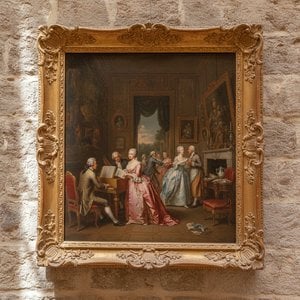
Dobsons Werk zeichnet sich durch seinen akribischen Realismus, warme Farbpaletten und sentimentale Themen aus. Er besaß die bemerkenswerte Fähigkeit, das Wesen des schottischen häuslichen Lebens einzufangen – gemütliche Innenräume, Familienfeiern und stille Momente der alltäglichen Existenz. Seine Gemälde rufen oft ein Gefühl von Nostalgie und Wärme hervor und laden den Betrachter ein, in eine Welt einfacher Freuden und beständiger Werte einzutauchen.
Obwohl er primlich als Ölmaler tätig war, brillierte Dobson auch in der Aquarellmalerei und bewies damit seine Vielseitigkeit und technische Geschicklichkeit in verschiedenen Medien. Er stellte regelmäßig an der Royal Scottish Academy und gelegentlich an der Royal Academy in London aus und erlangte Anerkennung für seine einfühlsamen Darstellungen des ländlichen Schottlands. Sein Porträt von Keir Hardie aus dem Jahr 1893, einem bedeutenden Anführer der Labour Party, gilt als eine bedeutende Leistung, da es die Würde und Entschlossenheit einer Schlüsselfigur der britischen Geschichte einfängt.
Historische Bedeutung
Henry John Dobson liegt sein Beitrag zur schottischen Kunst nicht nur in seinen meisterhaften Gemälden, sondern auch in seiner Rolle als Brückenbauer zwischen den Generationen. Er navigierte durch eine Zeit bedeutenden sozialen und künstlerischen Wandels, indem er seinen Stil an die Anforderungen eines sich entwickelnden Marktes anpasste und dabei seiner eigenen kreativen Vision treu blieb. Sein Einfluss reichte über seinen unmittelbaren Kreis hinaus, inspirierte seine Söhne, ihre eigenen künstlerischen Wege zu beschreiten, und trug zur lebendigen Kulturlandschaft Schottlands bei.
Dobsons Gemälde bieten einen wertvollen Einblick in das alltägliche Leben der einfachen Schotten im späten 19. und frühen 20. Jahrhundert. Sie sind Zeugnisse der beständigen Kraft von Familie, Gemeinschaft und der schlichten Schönheit des ländlichen Daseins – Themen, die auch heute noch beim Publikum nachhallen.
Fragen & Antworten
Welche Stimmungen drücken die Kunstwerke von Henry John Dobson aus?
Auf der Stimmungswelten von Henry John Dobson werden die Kunstwerke des Künstlers nach Stimmung sortiert präsentiert.
Wo kann ich alle Kunstwerke von Henry John Dobson entdecken?
Alle Werke von Henry John Dobson auf diese Webseite können auf der Alle Kunstwerke-Seite des Künstlers durchstöbert werden.
Wo und wann wurde Henry John Dobson geboren?
Henry John Dobson wurde im Jahr 1858 in Innerleithen geboren.