Jetzt verkaufen


x
-
Shop
Individuelle Auftragsgemälde Personalisierte Kunstdrucke Verwandeln Sie Ihr Foto in ein künstlerisches Meisterwerk Nach Themen stöbern Nach Räumen stöbern Dekorations-Assistent: Wohnzimmer Dekorations-Assistent: Büro Nach Anlass shoppen Sofort verfügbare Gemälde kaufenEntdecken Sie unsere Kreationen Partner-Ateliers entdecken Lassen Sie sich kostenlos Kunstwerke empfehlen Ratgeber für Sammler: Die Wahl Ihres ersten Meisterwerks Ratgeber für die Dekoration mit Kunstreproduktionen Geschenkoptionen und Services Leitfaden für Kunstgeschenke im Business-Kontext Mein Warenkorb Mein Dashboard, Favoriten, Bestellungen
-
Künstler
Alle Künstler Die 100 bekanntesten Künstler Nach Kunstepochen Nach Alphabet Alle Kunsttechniken Alle Techniken Nach Geburtsland sortiert Nach Epoche Nach Stimmung sortiert Nach emotionaler Stimmung Nach SchaffensphasenNach Farbschemata der Kunstwerke Nach Geburtsjahr sortiert Nach Farbintensität sortiert Nach Werkverzeichnis sortiert Berühmte Künstler, die die Welt verändert haben Der Aufstieg der Künstlerinnen Die Meister der Renaissance Kunstwerke heute in Auftrag geben Unsere Zusammenarbeit mit Privatsammlern Erstellung eines Künstlerportfolios für Unternehmen
- Kunstwerke
- Medien & Stilrichtungen
- Museen
-
Artikel
Alle Artikel Die 100 besten Artikel Nach Schlagworten sortiert Nach Kategorien sortiert Nach Tonfall und Stil Zeitreise der Kunstgeschichte Einführung in das Kunstsammeln Kunstströmungen verstehen Meisterwerke der KunstgeschichteFarbe und Emotion in der Kunst Kunst zu Hause präsentieren Kunst & Emotion: Dekorieren mit Atmosphäre und Stimmung Einrichtungsratgeber für jeden Raum Saisonale Kuratierungen Kunst als Anlageform Corporate Art: Inspirieren Sie Ihr Büro mit Kreativität Geschenke zu Hochzeit & Jubiläum Kundenberichte & Erfahrungen
-
Serviceangebot
Vom Foto zum Gemälde Vom Foto zum Kunstdruck Verwandeln Sie Ihr Foto in ein Meisterwerk Exklusive Kunstberatung Angebot anfordern Exklusive VIP-Privataufträge Kunstgutachten Als Galerie verkaufen Kostenlose Kunstauswahl Kostenlose Kunstvorschläge erhalten Vom Foto zum Gemälde: Die Entstehung individueller Porträts Der Malprozess

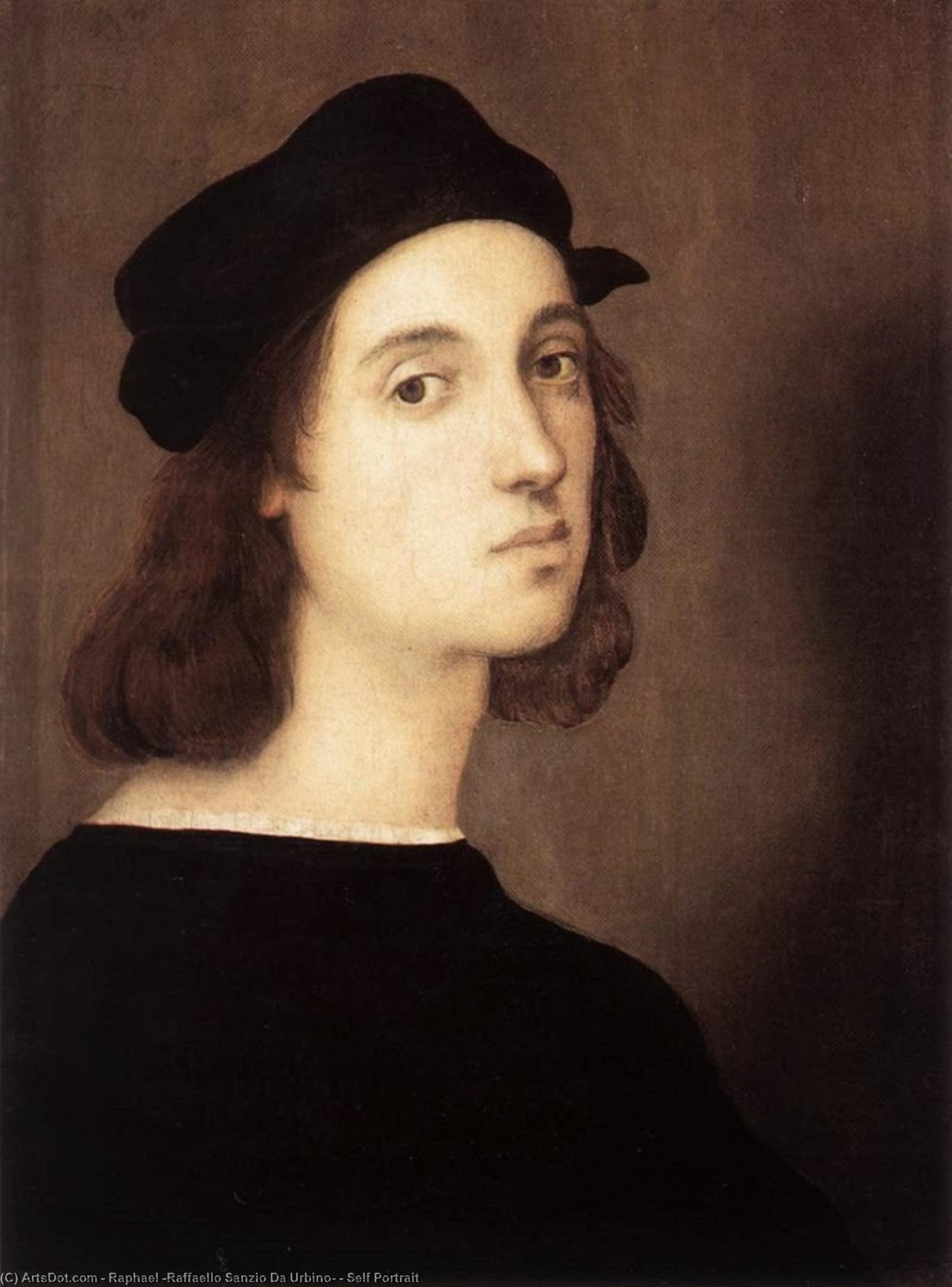
 Vorschau anzeigen
 Handgemalte Reproduktion bestellen
 Versenden
 Teilen
 Details anzeigen

 Herunterladen
 Ähnliche Objekte
 Röntgenaufnahme
 Diashow


 Weiterlesen






































 Die Glasoption ist nur für Größen unter 110 cm verfügbar.