In echtem Maßstab anzeigen In AR an der Wand sehen Handgemalte Reproduktion kaufen Zum digitalen Bild wechseln Versenden als Grußkarte
Details anzeigen Leitfaden Zu Favoriten hinzufügen Herunterladen Ähnliche Objekte Röntgenaufnahme Diashow Besucherstatistiken

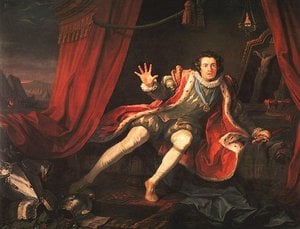
King Solomon in the Prison

Explore Henrik Weber's poignant oil painting 'King Solomon in the Prison,' depicting a contemplative monarch amidst austere surroundings and symbolizing wisdom through a book.

Henrik Weber (1818-1866): Ungarischer Realistischer Maler von Porträts, historischen Szenen und Landschaften. Er verband Biedermeier und Romantik – ein wichtiger Künstler des 19. Jahrhunderts.

Giclée / Kunstdruck

Giclée- oder Leinwanddruck in Museumsqualität mit schneller Produktion und flexiblen Veredelungsoptionen. ( Handgemalte Reproduktion kaufen Zum digitalen Bild wechseln)

P118B $10
P118H $10
P118W $10
P438Z $10
P508JH $12
P508YH $12
P805H $10
P805Z $10
P919BZ $10
P919G $10
P919XJ $10
P959ZH $10
P968JZ $12
W106C $8
W218G $10
W218JH $8
W218Y $10
W307PJ $10
W316G $10
W316PJ $8
W316Y $10
W398PJ $8
W4111J $10
W500HY $15
W500JH $15
W692G $12
W849H $8
W940BG $15
W953PJ $8

Standardformat
individuell anpassbar
CM
INCH

Wählen Sie aus unseren vordefinierten Formaten, die den ursprünglichen Proportionen des Kunstwerks entsprechen.

Breite
Höhe

Sie können Ihre eigenen Maße eingeben, um ein bestimmtes Format oder einen speziellen Platz einzupassen. Wenn das von Ihnen gewählte Format nicht den Proportionen des Originalbildes entspricht, werden wir das Kunstwerk entweder beschneiden oder das Bild mit einem gespiegelten oder einfarbigen Rand erweitern. Ein digitaler Entwurf wird Ihnen zur Genehmigung zugesandt, bevor die Produktion beginnt.
Bitte beachten Sie, dass die Vorschau auf dem Bildschirm nicht den tatsächlichen Zuschnitt oder die Erweiterung widerspiegelt. Nur der Entwurf zeigt die endgültige Komposition präzise an.
Obwohl Sondermaße verfügbar sind, empfehlen wir die Auswahl eines Maßes aus der vordefinierten Liste, um die ursprünglichen Proportionen zu bewahren.

Weltweiter Versand () innerhalb von 2 Wochen statt der üblichen 4/5 Wochen. (22 September)

why_choose_icon
Kostenloser weltweiter Expressversand
why_choose_icon
Hochwertige Leinenleinwand
why_choose_icon
Vollständiger Versicherungsschutz beim Versand
why_choose_icon
Zollgebühren-Rückerstattungsgarantie
why_choose_icon
Garantie für exakte Farbtreue
why_choose_icon
100-tägiges Rückgaberecht (nur bei Mängeln)
why_choose_icon
100% Geld-zurück-Garantie
why_choose_icon
Angebot für Mengenrabatt

Gesamtpreis

$ 68

reproduction

King Solomon in the Prison

Giclée / Kunstdruck

Format der Reproduktion

-

Gesamtpreis

$ 68

The captivating oil painting, King Solomon in the Prison, crafted by the skilled artist Henrik Weber in 1847, is a masterpiece that invites viewers to delve into its profound narrative. This artwork, measuring 35 x 49 cm, is currently housed at the Hungarian National Gallery in Budapest, Hungary. As a testament to the artist's skill, the painting showcases a blend of realism and emotional depth, drawing the observer into the contemplative world of King Solomon.

Composition and Symbolism

The composition of King Solomon in the Prison is characterized by its use of earth tones and subtle lighting, which creates a somber yet introspective atmosphere. The central figure, presumably King Solomon, is seated on a stone bench, engaged in what appears to be a moment of deep reflection. A book or manuscript lies before him, symbolizing his renowned wisdom. To his right, a vase or jar adds a touch of elegance to the otherwise austere setting. The artist's attention to detail and use of chiaroscuro enhance the emotional impact of the scene.

Artistic Significance

Henrik Weber's work, including King Solomon in the Prison, demonstrates a strong affinity for historical and biblical themes. This painting, along with others like Composer Mihály Mosonyi and his Wife, showcases the artist's ability to capture the essence of his subjects. For those interested in exploring more of Henrik Weber's oeuvre or similar works, visiting the painting page on WahooArt or learning about the Hungarian National Gallery can provide valuable insights.
  • The use of realistic techniques and muted colors contributes to the painting's somber mood.
  • The inclusion of a book or manuscript highlights King Solomon's wisdom and intellectual pursuits.
  • The setting, presumably a prison cell, contrasts with the figure's dignified demeanor, suggesting a narrative of resilience or contemplation.
Handmade oil painting reproductions of King Solomon in the Prison can be found on WahooArt, offering art enthusiasts an opportunity to own a piece of history. By exploring the works of Henrik Weber and other artists featured on WahooArt, one can gain a deeper appreciation for the world of art and its ability to convey profound messages and emotions.
The allure of King Solomon in the Prison lies not only in its historical significance but also in its capacity to evoke reflection and contemplation, making it a truly captivating piece of art.

Biografie des Künstlers

A Hungarian Voice in the Currents of Realism

Henrik Weber (1818-1866) stands as a cornerstone of Hungarian Realist painting—a figure whose unwavering commitment to truthful representation and profound understanding of national identity cemented his place among the most influential artists of the 19th century. Born in Pest on May 24th, 1818, Weber’s artistic journey began with an early fascination for drawing and a familial encouragement toward scholarly pursuits—a contrast that ultimately fueled his passion for visual art. His father, Mihaly Wéber, initially envisioned a scientific career for his son, yet Henrik's innate talent swiftly eclipsed such ambitions, directing him towards the tutelage of János Tóbiás Kärgling, a respected local artist who recognized and nurtured Weber’s burgeoning artistic potential.

Weber’s formal education commenced in 1835 at the Academy of Fine Arts Vienna—a pivotal moment shaping his artistic trajectory. Under the guidance of Johann Ender and Leopold Kupelwieser, instructors who championed Realism as an antidote to academic formalism, Weber honed his skills and embraced a stylistic approach that prioritized accuracy and emotional resonance. Recognizing the financial constraints inherent in pursuing art professionally, he supplemented his studies through lithography—a skill that would prove invaluable throughout his career—and diligently sought commissions to sustain himself.

Vienna: The Seeds of Realism

Vienna proved instrumental in establishing Weber’s artistic convictions. Ender and Kupelwieser instilled within him a belief in portraying the world as it truly appeared, rejecting idealized representations for unflinching depictions of everyday life. This influence extended beyond technique; it fostered a deeper appreciation for observation and empathy—qualities that would permeate his subsequent works. Weber's early success as a portrait painter garnered considerable acclaim during the late 1830s, demonstrating his ability to capture the essence of his subjects with remarkable sensitivity.

Munich: Embracing Historical Narrative

Around 1840, Weber relocated to Munich—a strategic decision driven by diminishing demand for portraits in Vienna and fueled by a desire to pursue more ambitious artistic endeavors. This move coincided with an increasing fascination for historical painting—specifically scenes from Hungarian history. Faced with persistent difficulties securing lucrative commissions, Weber turned his attention to commemorating significant events and figures, resulting in masterpieces like The Death of John Hunyadi—a work that powerfully conveyed the drama and pathos of Hungarian national identity.

Italian Inspiration: Landscape and Genre

From 1845 to 1847, Weber traveled extensively through Italy—an experience profoundly shaping his artistic vision. He immersed himself in the landscapes of Tuscany and Umbria, capturing their beauty with meticulous detail and atmospheric color palettes. Simultaneously, he explored genre scenes depicting rural life—particularly depictions of peasant families—demonstrating an artist’s keen awareness of social realities and a commitment to portraying humanity with compassion.

A Legacy Enduring Through Time

Weber's artistic legacy extends beyond his individual paintings; he mentored younger artists, notably Károly Lotz, fostering the development of Hungarian Realism for decades to come. His meticulous technique—characterized by careful observation and masterful use of chiaroscuro—continues to inspire admiration among art historians and collectors alike. The Hungarian National Gallery proudly showcases numerous examples of Weber’s oeuvre, recognizing him as a pivotal figure in Hungarian artistic history—a painter who bravely championed Realism during a period of profound cultural transformation.

Furthermore, his lithographs documenting historical events for “Az Ország Tükre” (“The Mirror of the Country”) serve as invaluable visual records of Hungary’s formative years. Weber's unwavering dedication to artistic integrity and his profound understanding of national identity solidified his place as one of Hungary’s most enduring artistic voices—a testament to the transformative power of art.

Henrik Weber

Henrik Weber

1818 - 1866 , Ungarn

Eckdaten zum Künstler

  • Artistic Movement Or Style: Realismus, Biedermeier
  • Artists Or Movements Influenced By This Artist: ['Károly Lotz']
  • Artists Who Influenced This Artist:
    • Johann Ender
    • Leopold Kupelwieser
    • Michelangelo Grigoletti
  • Date Of Birth: Mai 24, 1818
  • Date Of Death: Mai 14, 1866
  • Full Name: Henrik Weber
  • Nationality: Ungarisch
  • Notable Artworks:
    • Der Tod Johanns Hunyadi
    • König Salomon im Gefängnis
    • Tyroler Batthyany Regierung
    • Die Weber Familie
  • Place Of Birth: Pest, Ungarn