


Giclée- oder Leinwanddruck in Museumsqualität mit schneller Produktion und flexiblen Veredelungsoptionen. ( Handgemalte Reproduktion bestellen Zum digitalen Bild wechseln)





























Wählen Sie aus unseren vordefinierten Formaten, die den ursprünglichen Proportionen des Kunstwerks entsprechen.

Geben Sie die benötigte Breite und Höhe an, damit der Druck perfekt in Ihren Rahmen oder an Ihre Wand passt. Ein Druck kann nur beschnitten, aber niemals größer als das Originalbild angefertigt werden; daher verliert ein Format mit anderen Proportionen einen Teil des Bildes. Wir senden Ihnen ein digitales Mockup zur Freigabe, bevor wir den Druck ausführen. Das auf dieser Seite gezeigte Bild zeigt nicht den tatsächlichen Beschnitt – dies ist nur im Mockup ersichtlich.
Weltweiter Versand () innerhalb von 2 Wochen statt der üblichen 4/5 Wochen. (8 November)
Angels Pity
Format der Reproduktion
In the quiet, hallowed atmosphere of the Early Renaissance, few works capture the intersection of human sorrow and divine grace as poignantly as Carlo Crivelli’s "Angels Pity." Painted in 1470, this masterpiece serves as a profound meditation on tenderness and spiritual devotion. The scene unfolds with an intimate warmth, presenting Jesus cradling two children within his arms—a gesture that transcends mere historical depiction to become a universal symbol of protection and innocence. Surrounded by a celestial assembly of angels and watchful figures, the composition draws the viewer into a sacred circle of empathy. Even the subtle presence of a solitary bird in the upper corner acts as a silent witness, lending an air of tranquility to a moment heavy with emotional significance.
The artistry of Crivelli is on full display through his masterful command of color and light. Utilizing soft, luminous hues and delicate brushstrokes, the artist creates a sense of palpable intimacy that makes the divine feel reachable. The painting is a triumph of the Early Renaissance style, where every detail is rendered with an almost obsessive realism. Crivelli’s technique involves the meticulous application of oil glazes on wood panel, building layers of color to achieve a radiant depth. This method allows light to appear as if it is emanating from within the figures themselves, highlighting the soft textures of skin and the intricate folds of drapery, thereby inviting the observer to linger on the subtle nuances of the composition.
Beyond its visual splendor, "Angels Pity" is a rich tapestry of Christian iconography designed to provoke deep reflection. The arrangement of the figures within an arched niche creates a sense of sacred enclosure, separating the holy event from the mundane world. Every element serves a symbolic purpose: the tender way Jesus holds the children reflects the theological concept of divine mercy, while the surrounding angels represent the bridge between heaven and earth. Crivelli’s use of trompe l'oeil—a technique intended to trick the eye into perceiving three-dimensional reality—adds a layer of tactile presence to the work, making the spiritual themes feel grounded in a tangible, physical reality.
For the discerning collector or interior designer, this painting offers more than mere decoration; it provides an emotional anchor for any space. The somber yet serene mood makes it an ideal centerpiece for rooms dedicated to contemplation, study, or quiet luxury. Whether one is drawn to its historical significance as a product of the Venetian-influenced March of Ancona or moved by its profound expression of compassion, "Angels Pity" remains a timeless testament to the power of art to evoke the sublime. Owning a high-quality reproduction of this work allows for the preservation of this Renaissance spirit, bringing a sense of historical weight and aesthetic harmony into the modern home.
"Angels Pity" von Carlo Crivelli kann mithilfe der AR-Vorschau-Seite des Kunstwerks mit Augmented Reality auf einem kompatiblen Gerät direkt an Ihrer eigenen Wand vorab betrachtet werden.
Ähnliche Werke zu „Angels Pity“ finden Sie auf der Seite Ähnliche Werke des Kunstwerks.
"Angels Pity" von Carlo Crivelli stammt aus der Epoche der Renaissance. Diese Zeitspanne liefert den historischen Kontext des Werkes.


1435 - 1495 , Italien

Erfahren Sie alles über die Meisterschaft der Ölmalerei auf Holz und Impasto-Techniken. Entdecken Sie wahre handwerkliche Tiefe.

Discover the profound allure of oil on canvas. Explore the mastery of impasto textures, the science of pigment longevity, and expert guides to selecting museum-quality reproductions that elevate your collection with timeless elegance and tactile depth.

Erfahren Sie alles über die Tiefe und Chemie klassischer Ölmalerei. Entdecken Sie wahre Meisterschaft der Textur.

Entdecken Sie die zeitlose Eleganz handgemalter Ölgemälde. WahooArt.com bietet exklusive, meisterhafte Reproduktionen in Archivqualität – eine erstklassige Investition für Ihre Sammlung und ein bleibendes Erbe für Ihr Zuhause. Handwerkskunst, die Generationen überdauert.
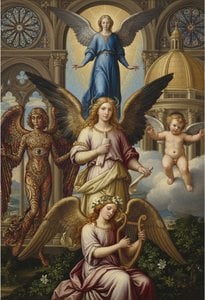
Explore the profound beauty of angelic figures in art history. From Renaissance masterpieces to celestial symbolism, our expert guide offers a sophisticated journey through the divine imagery of the Old Masters for discerning collectors and art enthusiasts.
 Vorschau anzeigen
 Versenden
 Teilen
 Details anzeigen
 Leitfaden

 Herunterladen
 Ähnliche Objekte
 Röntgenaufnahme
 Diashow
 Fragen & Antworten
 Statistiken

 Weiterlesen









 Die Glasoption ist nur für Größen unter 110 cm verfügbar.


