William Hogarth: En Londoner i Blæk og Olie
William Hogarth, født den 10. november 1697 i det pulserende hjørne af London, var langt mere end blot en kunstner; han var en visuel historiker, en skarp observatør af menneskelig natur og en satirisk kommentator på de samfundsmæssige strømme i sin tid. Hans livshistorie er uadskillelig forbundet med selve stoffet i England under en periode med markante forandringer – dets voksende ambitioner, underliggende bekymringer og gennemtrængende hykleri, alt sammen udtrykt med kraft i hans utroligt detaljerede og ofte skarpe værker. Han var søn af en slunken latin skolemester, og tidlige oplevelser indprentede ham både en kærlighed til læring og en skarp bevidsthed om sociale uligheder – et fundament, der skulle vise sig at være afgørende for at forme hans kunstneriske vision. I første omgang ansat som graver, demonstrerede han hurtigt en talentfuldhed, der strakte sig ud over blot teknisk dygtighed; han besad en iboende evne til at observere nuancerne i menneskelig adfærd og oversætte dem til fængslende visuelle fortællinger. Alligevel kede han sig over begrænsningerne ved traditionel gravering og søgte et mere udtryksfuldt medium for sin spirende kreativitet. Dette førte ham til studier på både St Martin’s Lane Academy og under Sir James Thornhill, hvor han finpudsede sine færdigheder i maleri og komposition, absorberede indflydelser, der senere skulle informere hans unikke stil.
Den Fødsel af Moderne Moralske Emner
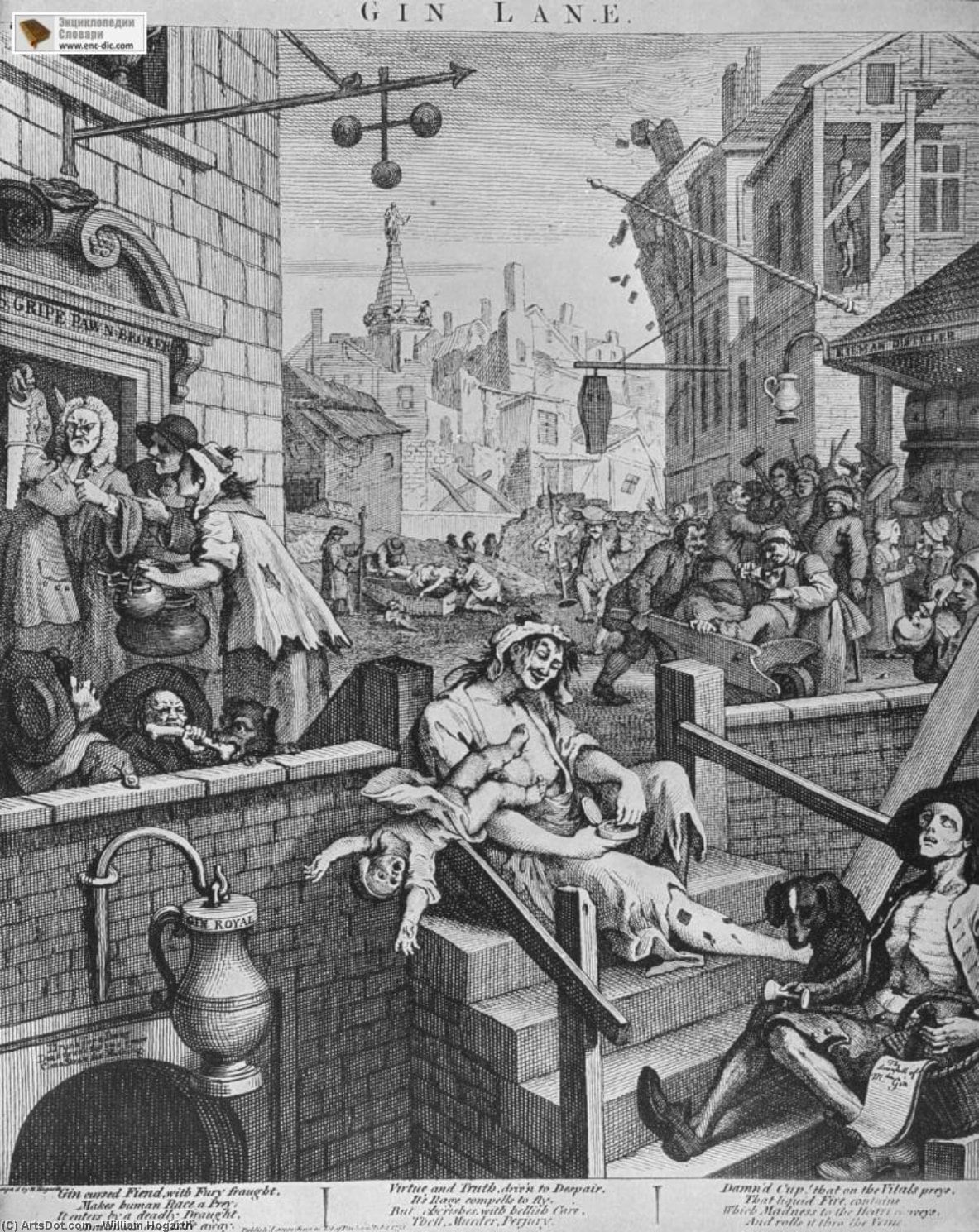
Hogarths sande innovation lå ikke blot *i hvad* han malede, men *hvordan*. Han bane vejen for, hvad han selv kaldte "moderne moralske emner" – en række billeder designet til at fortælle en historie, ofte præget af en stærk satirisk kant. Disse var ikke isolerede portrætter eller landskaber; de var visuelle romaner, der unfoldede sig for betragterens øjne, og tilbød skarpe kommentarer om samtidssamfundet.
A Harlot's Progress, skabt i 1742, står som måske hans mest berømte eksempel. Denne serie på seks malerier følger minutiøst Marys tragiske fald, en ung kvinde, der ankommer til London med håb om et nyt liv, men hurtigt bliver offer for byens fristelser og farer. Hver scene er gengivet med omhyggelig detalje, fyldt med symbolske elementer, der afslører den moralske fordærv, der omgiver hende. Lignende
A Rake's Progress, begyndt i 1733, skildrer Tom Rakewells hensygoelsesløse nedstigning, en mand, der spilder sin arv på hasardspil, dekadence og til sidst vanvid. Disse var ikke blot advarselsfortællinger; de var uforfængelige portrætter af et samfund, der kæmpede med spørgsmål om klasse, moral og social mobilitet. Hogarths geni lå i hans evne til at hæve hverdagsscener – Londons travle gader, de overdådige interiører hos de velhavende, de slumrende liv af de fattige – op til kunstværker, der resonerede dybt med hans publikum. Han skammede sig ikke over at male den hårde virkelighed, præsenterede den med en blanding af humor og medlidenhed, der tvang betragterne til at konfrontere ubehagelige sandheder om sig selv og deres samfund.
Teknik og Indflydelser: En Syntese af Stilarter
Hogarths kunstneriske stil var en unik blanding af forskellige indflydelser. Han beundrede dybt realismen og fortællingsdetaljerne i værkerne fra hollandske genremalere som Pieter de Hooch, hvilket er tydeligt i hans omhyggelige gengivelser af interiører og hverdagsbilleder. De franske satiriske tryk spillede også en rolle i at forme hans tilgang til social kommentar. Men Hogarth var ikke blot en kopi af disse kilder; han syntetiserede dem til noget helt nyt og distinkt for sig selv. Hans teknik var karakteriseret ved en mesterlig brug af linje og skygge, tydelig i hans graveringer. Han anvendte en distinkt kryds-stichningsteknik, der skabte dybde og tekstur, og bragte hans scener til live med bemærkelsesværdig klarhed. Han besad også et exceptionelt blik for komposition, arrangerede figurer og objekter i rammen for at skabe dynamiske og fængslende fortællinger. Ud over kunsten blev Hogarth påvirket af litterære værker, især de af Jonathan Swift og Henry Fielding, hvis satiriske skarpehed informerede hans egne sociale observationer. Han mente, at kunst ikke blot skulle være smuk, men også tjene et moralsk formål, udfordre betragterne til kritisk at tænke over verden omkring dem og deres plads i den. *Han søgte at holde et spejl op mod naturen, der afspejlede både dens skønhed og dets ubehag med ærlighed.*
Arv og Vedvarende Indflydelse
Hogarths indvirkning strækker sig langt ud over kunstens område i det 18. århundrede. Hans værker blev enormt populære takket være den masseproduktion af tryk, der var baseret på hans malerier, hvilket gjorde hans satiriske kommentar tilgængelig for et bredere publikum end nogonsinde før. Han anses generelt for at være en pioner inden for politisk karikatur og tegneserieblade, og lagde grunden til visuel fortælling i populærkulturen. Kunstnere som James Gillray og George Cruikshank blev direkte påvirket af hans stil og videreførte hans tradition af social satire. Selv Charles Lamb, den berømte essayist, bemærkede Hogarths billeders narrative kraft og beskrev dem som "bøger at læse i stedet for blot at kigge på."
- Hogarth etablerede en distinkt britisk kunstidentitet.
- Hans værker giver værdifulde indsigter i det engelske samfund i det 18. århundrede.
- Han påvirkede generationer af kunstnere og satirikere.
William Hogarth døde i 1764 og efterlod sig et legeme, der fortsat resonerer i dag. Han er en central figur i kunsthistorien, fejret for sin innovative tilgang til fortælling, hans uforfængelige sociale kommentar og hans vedvarende evne til at fange kompleksiteten af menneskelivet. Hans malerier og graveringer er ikke blot historiske artefakter; de er levende vinduer ind i en fortid, der tilbyder tidløse indsigter i menneskehedens fristelser og svagheder. Han demonstrerede, at kunst kunne være både underholdende og oplystende, og udfordre betragterne til kritisk at tænke over verden omkring dem og deres plads i den.


 Se i fuld skala
 Køb håndlavet maleri
 Del
Del Del
Del
 Detaljer

 Download
 Lignende værker
 Røntgenundersøgelse
 Diasshow
 Statistik


 Se mere






































 Glasmulighed er kun tilgængelig i størrelser under 110 cm


